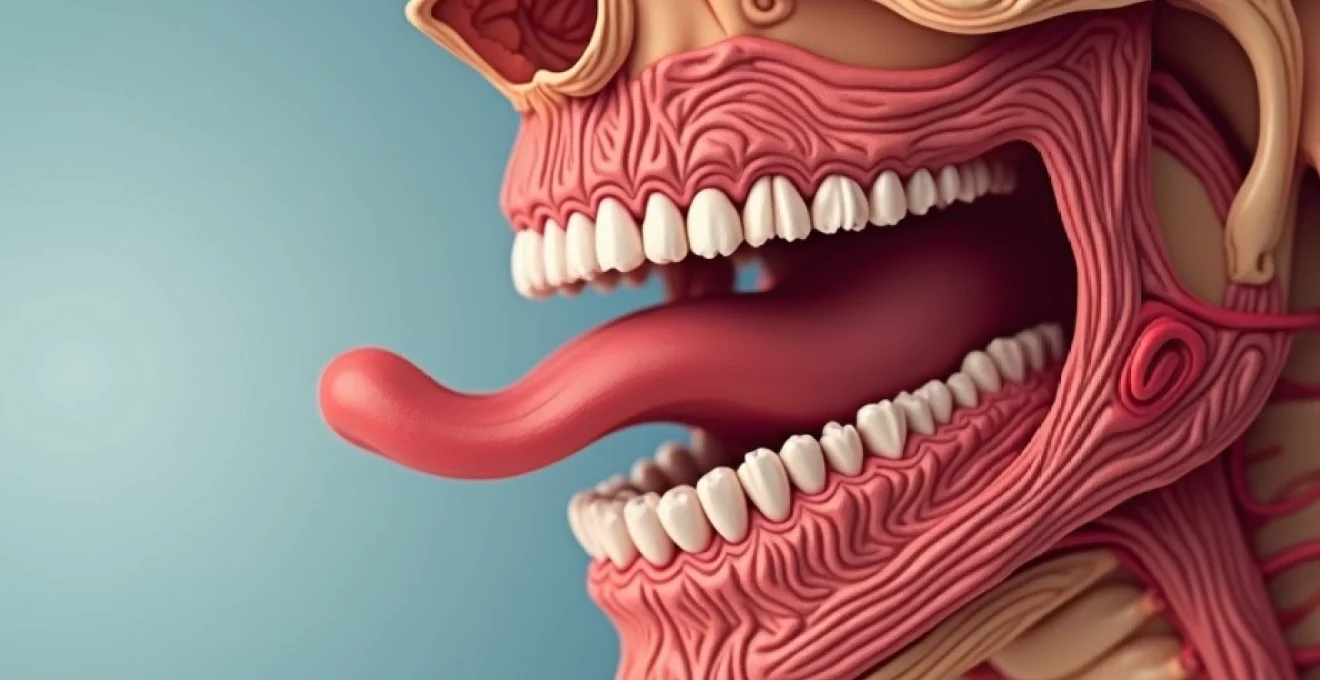
Bulbar-onset amyotrophic lateral sclerosis represents one of the most challenging forms of motor neurone disease, affecting approximately 25% of all ALS patients. Unlike the more common limb-onset presentation, this variant begins with the deterioration of motor neurones controlling muscles essential for speech, swallowing, and breathing. The bulbar region of the brainstem becomes the primary battleground where neurodegeneration first takes hold, creating a cascade of symptoms that significantly impact quality of life and survival prognosis.
Understanding bulbar-onset ALS requires examining both its unique pathophysiology and its distinct clinical progression patterns. This form of ALS typically demonstrates a more aggressive course than limb-onset disease, with patients experiencing faster functional decline and shorter survival times. The intricate network of cranial nerve nuclei and corticobulbar pathways involved makes diagnosis both critical and complex, requiring specialised assessment techniques and multidisciplinary management approaches.
The implications of bulbar dysfunction extend far beyond motor symptoms, affecting nutritional status, respiratory function, and social communication. As the disease progresses, patients face mounting challenges with aspiration risk, malnutrition, and social isolation, making early intervention and comprehensive care planning essential for optimising outcomes and maintaining dignity throughout the disease course.
Bulbar motor neurone dysfunction: pathophysiology and anatomical localisation
The bulbar region encompasses critical motor nuclei within the medulla oblongata and pons, including the trigeminal, facial, glossopharyngeal, vagus, and hypoglossal nerve nuclei. These structures coordinate the complex muscular activities required for articulation, mastication, deglutition, and phonation. In bulbar-onset ALS, selective vulnerability of these motor neurones leads to progressive weakness and eventual paralysis of the muscles they innervate.
The pathological process involves both upper and lower motor neurone degeneration, creating a mixed pattern of symptoms. Upper motor neurone involvement manifests as spasticity, hyperreflexia, and emotional lability, whilst lower motor neurone degeneration produces fasciculations, muscle atrophy, and flaccid weakness. This dual pathology creates the characteristic clinical presentation that distinguishes ALS from other motor neurone disorders.
Cranial nerve IX, X, and XII degeneration patterns in bulbar ALS
The glossopharyngeal nerve (IX) primarily affects posterior tongue sensation and the gag reflex, with early dysfunction contributing to aspiration risk and altered swallowing mechanics. Patients may initially notice subtle changes in their ability to detect food texture or temperature variations in the posterior oral cavity.
Vagus nerve (X) involvement produces more profound consequences, affecting vocal cord function, oesophageal motility, and autonomic regulation. The recurrent laryngeal branch controls vocal cord abduction and adduction, leading to hoarseness, breathy voice quality, and eventual vocal cord paralysis. The superior laryngeal nerve affects pitch control and protective laryngeal reflexes.
Hypoglossal nerve (XII) degeneration creates perhaps the most visible early signs of bulbar ALS through tongue fasciculations and progressive atrophy. The tongue becomes increasingly immobile, affecting both speech articulation and the oral preparatory phase of swallowing. Advanced hypoglossal dysfunction results in complete tongue paralysis and severe dysarthria.
Corticobulbar tract involvement and upper motor neurone signs
The corticobulbar tracts originate from the primary motor cortex and terminate on cranial nerve nuclei, providing voluntary control over bulbar functions. In ALS, these pathways undergo progressive degeneration, leading to pseudobulbar palsy characterised by spastic dysarthria, emotional incontinence, and exaggerated jaw reflexes.
Upper motor neurone involvement manifests as increased muscle tone in facial and masticatory muscles, creating a characteristic facial expression with reduced mobility and animation. The combination of upper and lower motor neurone signs distinguishes ALS from pure bulbar palsy conditions and helps guide diagnostic considerations.
Brainstem motor nucleus pathology: hypoglossal and ambiguous nuclei
The hypoglossal nucleus, located in the dorsal medulla, contains approximately 3,000-5,000 motor neurones controlling intrinsic and extrinsic tongue muscles. In bulbar ALS, these neurones undergo progressive degeneration, beginning with fasciculations and culminating in complete denervation atrophy.
The nucleus ambiguus houses motor neurones innervating laryngeal, pharyngeal, and upper oesophageal muscles via the vagus nerve. Its strategic position makes it particularly vulnerable in bulbar ALS, with degeneration affecting swallowing coordination, vocal cord function, and protective airway reflexes. Understanding these anatomical relationships helps predict symptom progression and guide therapeutic interventions.
Progressive pseudobulbar palsy versus true bulbar palsy differentiation
Distinguishing between pseudobulbar and true bulbar palsy requires careful clinical assessment of both motor signs and reflexes. True bulbar palsy results from lower motor neurone degeneration, presenting with flaccid weakness, muscle atrophy, fasciculations, and absent reflexes in affected muscles.
Pseudobulbar palsy, conversely, stems from upper motor neurone damage, producing spastic weakness, hyperactive reflexes, and emotional lability without significant muscle wasting. Most bulbar ALS patients exhibit mixed presentations with both upper and lower motor neurone signs, reflecting the disease’s comprehensive involvement of motor pathways at multiple levels.
Early clinical manifestations of Bulbar-Onset amyotrophic lateral sclerosis
The initial presentation of bulbar-onset ALS often begins subtly, with patients and their families attributing early symptoms to stress, fatigue, or minor illness. Recognising these early manifestations requires heightened clinical awareness, as prompt diagnosis enables earlier therapeutic intervention and better quality-of-life preservation.
Early symptoms typically emerge insidiously over weeks to months, beginning with mild speech changes or occasional swallowing difficulties during meals. Patients may notice increased effort required for speech production, particularly during lengthy conversations or when fatigued. Similarly, subtle changes in swallowing mechanics may manifest as occasional coughing during meals or the need to swallow multiple times to clear food completely.
Dysarthria progression: spastic, flaccid, and mixed speech patterns
Speech changes in bulbar ALS follow predictable patterns based on the specific motor neurone populations affected. Spastic dysarthria results from upper motor neurone involvement, creating slow, effortful speech with imprecise consonant production and a harsh, strained vocal quality. Patients often describe feeling as though their tongue and lips move sluggishly or resist voluntary control.
Flaccid dysarthria emerges from lower motor neurone degeneration, producing breathy, weak speech with poor consonant precision and reduced vocal loudness. The combination creates mixed dysarthria, characterised by variable speech patterns depending on which motor systems are predominantly affected at any given time.
Progressive speech deterioration follows a characteristic trajectory, beginning with mild articulation difficulties and advancing to complete anarthria over 12-24 months. Early intervention with speech therapy and augmentative communication devices becomes crucial for maintaining social connections and personal autonomy as natural speech abilities decline.
Dysphagia staging using the ALS functional rating Scale-Revised
The ALS Functional Rating Scale-Revised (ALSFRS-R) provides standardised assessment of swallowing function through specific dysphagia-related items. These measurements help clinicians track progression, guide intervention timing, and communicate prognosis to patients and families.
Early-stage dysphagia (ALSFRS-R score 3-4) presents as occasional choking on liquids or difficulty with specific food textures. Patients may begin avoiding certain foods or require longer meal times. Middle-stage progression (ALSFRS-R score 2) involves consistent swallowing difficulties requiring dietary modifications and increased aspiration risk.
Advanced dysphagia (ALSFRS-R score 0-1) represents severe swallowing impairment with high aspiration risk and inadequate oral nutrition. At this stage, gastrostomy placement becomes necessary to maintain nutrition and prevent aspiration pneumonia. Regular ALSFRS-R monitoring enables proactive management planning and timely intervention implementation.
Fasciculations and atrophy in tongue musculature
Tongue fasciculations represent one of the earliest and most characteristic signs of bulbar ALS, often preceding other symptoms by weeks or months. These spontaneous muscle contractions appear as fine, rippling movements across the tongue surface, particularly visible when the tongue remains at rest in the mouth.
Progressive tongue atrophy follows fasciculations, with patients noting gradual loss of tongue bulk and mobility. The tongue may appear smaller, with visible grooves or indentations along its surface. Advanced atrophy results in severe limitation of tongue movement, affecting both speech articulation and the oral phase of swallowing.
Clinical examination should include careful inspection of tongue morphology, assessment of voluntary movement patterns, and documentation of fasciculation frequency and distribution. Serial examinations help track progression and guide treatment planning, particularly regarding communication device timing and nutritional intervention needs.
Sialorrhoea and impaired swallowing reflexes
Excessive saliva production, or sialorrhoea , affects approximately 50% of bulbar ALS patients and significantly impacts quality of life. This symptom results from impaired swallowing reflexes rather than increased saliva production, leading to accumulation and overflow of normal secretions.
Impaired laryngeal and pharyngeal reflexes contribute to poor secretion management, increasing aspiration risk and creating social embarrassment. Patients may experience drooling, particularly during sleep or when concentrating on other tasks, leading to skin irritation and social withdrawal.
Management strategies include anticholinergic medications, botulinum toxin injections to salivary glands, and mechanical suction devices. Early intervention helps maintain dignity and social participation while reducing aspiration pneumonia risk through better secretion control.
Diagnostic criteria and electrophysiological assessment in bulbar ALS
Diagnosing bulbar-onset ALS requires systematic application of established criteria combined with sophisticated electrophysiological testing. The diagnostic process must differentiate ALS from other conditions affecting bulbar function while establishing the presence of both upper and lower motor neurone involvement within the bulbar region.
Current diagnostic approaches emphasise early recognition and intervention, as therapeutic benefits appear greatest when initiated during earlier disease stages. However, the subtle onset and variable presentation of bulbar symptoms can delay diagnosis, making clinical expertise and appropriate investigation sequencing crucial for optimal outcomes.
El escorial revised criteria application for Bulbar-Onset cases
The El Escorial Revised criteria provide the diagnostic framework for ALS, requiring evidence of lower motor neurone degeneration, upper motor neurone dysfunction, and progressive spread within or between anatomical regions. For bulbar-onset cases, establishing these criteria within the bulbar region requires careful clinical assessment and supporting investigations.
Lower motor neurone involvement manifests through fasciculations, muscle atrophy, and weakness in bulbar-innervated muscles. Upper motor neurone signs include spasticity, hyperactive jaw reflexes, and emotional lability. The combination of these findings within the bulbar region satisfies the criteria for clinically definite or probable bulbar ALS.
Progressive spread to other regions typically occurs within 6-12 months of symptom onset, with limb involvement usually following bulbar symptoms. Documentation of this progression strengthens diagnostic certainty and helps guide prognostic discussions with patients and families.
Electromyography findings in cranial nerve innervated muscles
Electromyography (EMG) of bulbar muscles provides objective evidence of lower motor neurone involvement, supporting clinical diagnosis and monitoring disease progression. Key muscles for assessment include the masseter, temporalis, tongue, and facial muscles innervated by cranial nerves V, VII, and XII.
Characteristic EMG findings include spontaneous activity (fasciculations, fibrillations, positive sharp waves), chronic neurogenic changes (long-duration, high-amplitude motor unit potentials), and reduced recruitment patterns. These changes reflect ongoing denervation and reinnervation processes characteristic of motor neurone disease.
Technical challenges in bulbar EMG include patient discomfort, electrode placement difficulties, and movement artefacts. Experienced neurophysiologists using appropriate techniques can obtain valuable diagnostic information while minimising patient discomfort and maximising data quality.
Transcranial magnetic stimulation in corticobulbar pathway assessment
Transcranial magnetic stimulation (TMS) enables non-invasive assessment of corticobulbar pathway integrity, providing evidence of upper motor neurone involvement in bulbar ALS. This technique measures central motor conduction time and threshold changes in corticobulbar pathways controlling facial and masticatory muscles.
Abnormal TMS findings in bulbar ALS include prolonged central motor conduction times, increased motor thresholds, and reduced motor-evoked potential amplitudes. These changes reflect corticobulbar tract degeneration and help establish upper motor neurone involvement when clinical signs remain subtle.
TMS studies complement clinical examination and conventional EMG by providing objective evidence of upper motor neurone dysfunction. This information proves particularly valuable in early disease stages when clinical signs may be equivocal or when differentiating ALS from other motor neurone disorders.
Differential diagnosis: kennedy’s disease and progressive supranuclear palsy
Kennedy’s disease (spinal and bulbar muscular atrophy) presents with bulbar symptoms similar to ALS but follows a more benign course with predominantly lower motor neurone involvement. Key differentiating features include X-linked inheritance pattern, slower progression, sensory involvement, and characteristic endocrine abnormalities.
Progressive supranuclear palsy may present with bulbar symptoms including dysarthria and dysphagia, but typically includes prominent oculomotor abnormalities, axial rigidity, and falls. The absence of fasciculations and presence of characteristic eye movement disorders help distinguish this condition from bulbar ALS.
Other differential considerations include myasthenia gravis, inflammatory myopathies, and brainstem tumours. Systematic evaluation including appropriate blood tests, imaging studies, and electrophysiological assessments helps establish the correct diagnosis and guide appropriate treatment strategies.
Disease progression patterns and survival prognosis
Bulbar-onset ALS demonstrates a more aggressive progression pattern compared to limb-onset disease, with median survival times ranging from 20-48 months from symptom onset. This accelerated course reflects the critical nature of bulbar functions and the rapid spread to respiratory muscles that typically occurs in this variant.
Several factors influence progression rates and survival outcomes in bulbar ALS. Age at onset represents a significant prognostic factor, with older patients generally experiencing faster progression and shorter survival times. Female sex appears associated with bulbar-onset presentation, though the reasons for this association remain unclear.
The presence of cognitive impairment, particularly frontotemporal dementia features, correlates with accelerated progression and reduced survival. Approximately 15-20% of bulbar ALS patients develop clinically significant cognitive changes, ranging from mild executive dysfunction to overt frontotemporal dementia.
Nutritional status significantly impacts disease progression and quality of life. Hypermetabolism commonly occurs in ALS patients, increasing caloric requirements while dysphagia simultaneously reduces oral intake. This combination creates a perfect storm for rapid weight loss and malnutrition, which independently predicts shorter survival.
Respiratory function decline typically accelerates once bulbar symptoms spread to other regions, particularly the cervical and thoracic spinal segments. The combination of bulbar dysfunction and respiratory muscle weakness creates compounding effects on survival, as patients face increased risks from both aspiration and respiratory failure.
The aggressive nature of bulbar-onset ALS necessitates early and comprehensive intervention planning, with particular attention to nutritional support, communication preservation, and respiratory monitoring to optimise quality of life throughout the disease course.
Multidisciplinary management strategies for bulbar dysfunction
Effective management of bulbar-onset ALS requires coordinated care from multiple specialists, including neurologists, speech-language pathologists, dietitians, respiratory therapists, and palliative care experts. This multidisciplinary approach addresses the complex interplay between speech, swallowing
, and respiratory function, while addressing the psychosocial challenges inherent to this progressive condition.
The cornerstone of bulbar dysfunction management lies in early intervention and proactive planning. Speech-language pathologists play a pivotal role in assessing communication needs and implementing augmentative and alternative communication (AAC) strategies before natural speech becomes unintelligible. This proactive approach ensures patients maintain their voice and social connections throughout disease progression.
Nutritional management requires careful coordination between dietitians, speech pathologists, and medical teams to balance safety with quality of life. Early dietary modifications, including texture adjustments and thickened liquids, can extend safe oral feeding while reducing aspiration risk. However, the timing of percutaneous endoscopic gastrostomy (PEG) placement requires careful consideration of respiratory function, patient preferences, and overall prognosis.
Respiratory monitoring becomes increasingly critical as bulbar symptoms progress, with regular pulmonary function testing helping guide decisions regarding non-invasive ventilation initiation. The integration of palliative care principles ensures that treatment decisions align with patient values and goals, particularly regarding life-sustaining interventions and end-of-life planning.
Respiratory complications and ventilatory support considerations
Respiratory complications represent the most life-threatening consequence of bulbar-onset ALS, arising through multiple interconnected mechanisms that compound over time. Aspiration pneumonia poses an immediate risk due to impaired swallowing reflexes and reduced cough effectiveness, while progressive respiratory muscle weakness creates long-term ventilatory challenges requiring careful monitoring and intervention.
The unique anatomy of bulbar regions creates particular vulnerability to respiratory complications. Dysfunction of cranial nerves IX, X, and XII compromises protective airway reflexes, allowing food particles, liquids, and secretions to enter the respiratory tract undetected. This silent aspiration often progresses unrecognised until patients develop recurrent respiratory infections or acute respiratory distress.
Respiratory muscle weakness typically follows a predictable pattern in bulbar ALS, beginning with accessory muscles and progressing to diaphragmatic involvement. Early signs include reduced cough strength, difficulty clearing secretions, and exertional dyspnoea during previously tolerable activities. As weakness advances, patients experience orthopnoea, sleep-disordered breathing, and eventually respiratory failure.
Non-invasive positive pressure ventilation (NIPPV) represents the first-line respiratory support intervention, typically introduced when forced vital capacity falls below 50% of predicted values or patients develop symptomatic hypoventilation. BiPAP machines provide inspiratory pressure support while maintaining positive end-expiratory pressure, reducing work of breathing and improving gas exchange during sleep and rest periods.
The decision regarding invasive mechanical ventilation through tracheostomy represents one of the most challenging aspects of bulbar ALS management. While tracheostomy can significantly extend survival, it also commits patients and families to intensive care requirements that may not align with quality-of-life goals. This decision requires comprehensive discussion of prognosis, care requirements, and personal values well before respiratory crisis occurs.
Cough assistance devices, including mechanical insufflator-exsufflator machines, help maintain airway clearance when natural cough becomes ineffective. These devices generate positive pressure followed by rapid negative pressure, simulating effective coughing and reducing secretion retention that contributes to respiratory infections.
Timing of respiratory interventions requires balancing multiple factors including functional status, patient preferences, caregiver capacity, and overall prognosis. Early introduction of NIPPV may improve sleep quality and reduce respiratory symptoms, but patients must be capable of managing equipment and tolerating mask interfaces. The progressive nature of bulbar dysfunction means that initially successful interventions may become less effective or tolerable as disease advances.
Respiratory support decisions in bulbar ALS require ongoing reassessment as disease progresses, with flexibility to modify approaches based on changing clinical status, patient comfort, and evolving care goals throughout the disease trajectory.
Advanced respiratory planning should address emergency situations, including acute respiratory distress and end-of-life care preferences. Clear documentation of patient wishes regarding resuscitation, emergency interventions, and comfort measures helps guide decision-making during crisis situations when patients may be unable to communicate their preferences.
The integration of palliative care principles becomes increasingly important as respiratory function declines, focusing on symptom management, comfort optimisation, and psychosocial support for patients and families. Medications including opioids and anxiolytics can effectively manage dyspnoea and anxiety while maintaining patient dignity and comfort during end-stage respiratory failure.
Regular monitoring protocols should include objective measurements such as vital capacity, maximum inspiratory and expiratory pressures, and overnight oximetry to detect early respiratory compromise. Subjective assessments of dyspnoea, sleep quality, and functional limitations provide additional insights into respiratory status and guide intervention timing.
Family education regarding respiratory support options, emergency procedures, and end-of-life planning enables informed decision-making and reduces anxiety during crisis situations. Clear communication about prognosis, intervention benefits and limitations, and care requirements helps families prepare for the challenges ahead while maintaining realistic expectations about treatment outcomes.