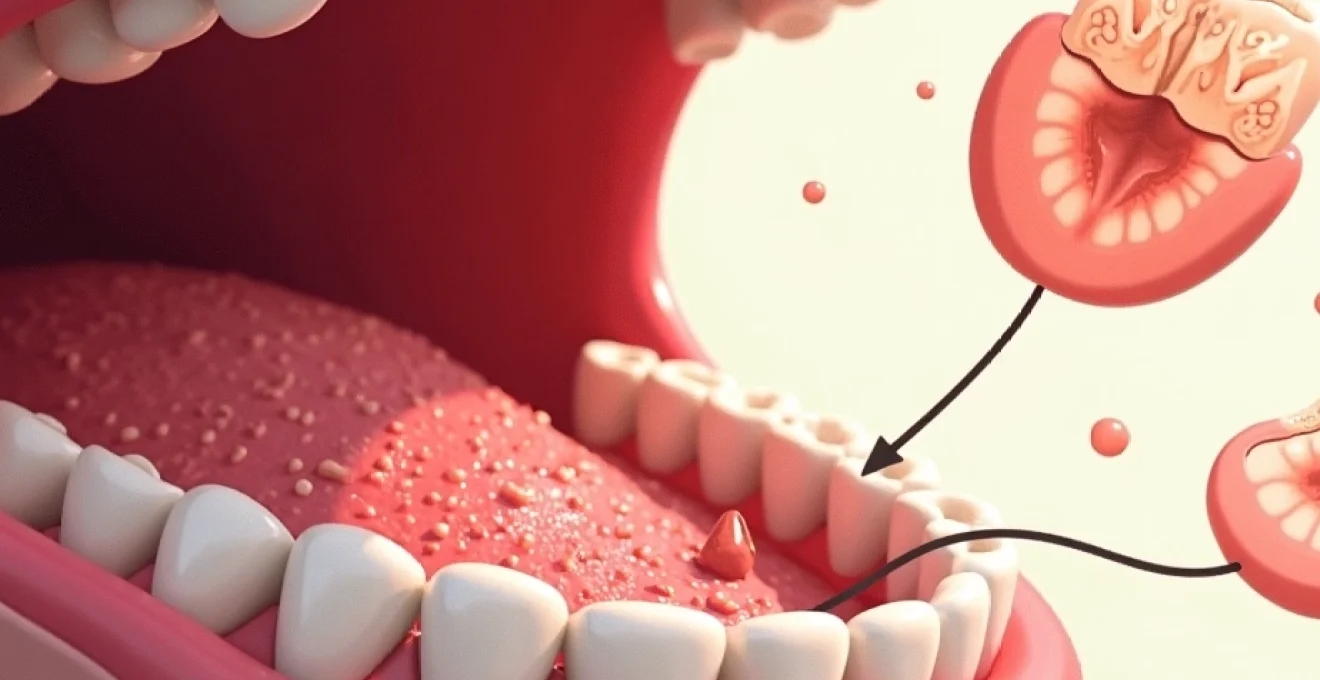
Gastroesophageal reflux disease (GERD) affects millions of people worldwide, causing uncomfortable symptoms that extend far beyond the classic heartburn sensation. While most individuals associate acid reflux with chest discomfort and digestive issues, emerging research reveals a surprising connection between GERD and oral health complications, particularly the development of canker sores and other mouth ulcers. This relationship challenges traditional understanding of how gastric acid impacts the body and highlights the importance of recognising extraoesophageal manifestations of reflux disease.
The oral cavity serves as an unexpected battleground where stomach acid can wreak havoc on delicate mucosal tissues. When gastric contents containing hydrochloric acid and pepsin migrate beyond their intended location, they create an acidic environment that can trigger inflammatory responses throughout the upper digestive tract. Understanding this connection between gastroesophageal reflux and oral manifestations represents a crucial step in comprehensive patient care and effective treatment strategies.
Understanding the pathophysiology of gastroesophageal reflux disease and oral manifestations
The physiological mechanisms underlying GERD involve the dysfunction of the lower oesophageal sphincter, a muscular valve that normally prevents stomach contents from flowing backwards into the oesophagus. When this sphincter fails to maintain adequate pressure or relaxes inappropriately, acidic gastric juice containing hydrochloric acid with a pH ranging from 1.5 to 3.5 can escape the stomach environment. This highly acidic material creates significant chemical irritation as it contacts tissues not designed to withstand such extreme acidity.
The journey of gastric contents from stomach to mouth involves complex anatomical pathways that can result in widespread tissue damage. Recent studies demonstrate that approximately 20% of adults in Western populations experience regular GERD symptoms, with many developing complications beyond traditional oesophageal manifestations. The oral cavity, maintaining an optimal pH slightly above neutral at approximately 7.0, becomes particularly vulnerable when exposed to this acidic assault.
Pepsin and hydrochloric acid migration pathways to oral cavity
Pepsin, the primary protein-digesting enzyme in gastric juice, plays a crucial role in oral tissue damage during reflux episodes. Unlike hydrochloric acid alone, pepsin remains active even in less acidic environments and can cause significant mucosal destruction when it reaches the mouth. Research indicates that pepsin can be detected in saliva samples from GERD patients, providing direct evidence of gastric content migration to oral tissues.
The migration pathway involves retrograde flow through the oesophagus, with subsequent aspiration or direct contact with pharyngeal and oral structures. During nocturnal reflux episodes, when horizontal positioning facilitates gravitational flow, acidic gastric contents can more easily reach the upper respiratory tract and oral cavity. This mechanism explains why many patients experience worse oral symptoms upon waking, including burning sensations and ulcerative lesions.
Laryngopharyngeal reflux mechanisms and extraoesophageal symptoms
Laryngopharyngeal reflux (LPR) represents a distinct manifestation of GERD where acidic gastric contents reach the throat and voice box structures. This condition affects the larynx, pharynx, and associated tissues, creating an inflammatory cascade that can extend into the oral cavity. Unlike traditional GERD, LPR often occurs without classic heartburn symptoms, making diagnosis challenging and potentially delaying appropriate treatment.
The extraoesophageal symptoms of LPR include chronic sore throat, voice changes, and persistent cough, but recent research reveals a significant association with recurrent mouth ulcers and oral mucosal irritation. Patients with LPR demonstrate measurably lower salivary pH levels compared to healthy individuals, creating an environment conducive to aphthous ulcer development and delayed wound healing in oral tissues.
Ph level changes in saliva during nocturnal acid reflux episodes
Saliva normally maintains a slightly alkaline pH that helps neutralise acids and protect oral tissues from bacterial overgrowth and chemical irritation. However, during acid reflux episodes, particularly those occurring during sleep, salivary pH can drop significantly below normal levels. Studies using 24-hour pH monitoring demonstrate that GERD patients experience salivary pH values averaging 6.2 compared to 7.4 in healthy controls.
These pH alterations create a hostile environment for oral tissues and disrupt the natural protective mechanisms that prevent ulcer formation. The acidic environment also promotes the growth of pathogenic oral bacteria while inhibiting beneficial microorganisms that typically maintain oral health. This bacterial imbalance, combined with direct acid exposure, establishes ideal conditions for recurrent aphthous stomatitis development.
Gastric content aspiration and oral mucosal exposure
Aspiration of gastric contents represents a particularly concerning mechanism by which acid reflux can cause oral manifestations. During severe reflux episodes, patients may unconsciously aspirate small amounts of acidic material, leading to direct contact between gastric acid and oral mucosal surfaces. This aspiration typically occurs during sleep when protective reflexes are diminished and patients remain unaware of reflux episodes.
The clinical consequences of gastric content aspiration extend beyond simple chemical burns to include inflammatory responses that can persist long after the initial acid exposure. Oral tissues exposed to aspirated gastric juice demonstrate histological changes consistent with chemical injury, including epithelial erosion, inflammatory cell infiltration, and delayed healing responses that predispose to ulcer formation.
Clinical evidence linking GERD to recurrent aphthous stomatitis development
The clinical relationship between gastroesophageal reflux disease and recurrent aphthous stomatitis has gained significant attention in recent medical literature. Multiple observational studies demonstrate a statistical correlation between GERD symptoms and the frequency of canker sore outbreaks, with some research indicating that patients with diagnosed GERD experience up to three times more oral ulcer episodes compared to individuals without reflux disease. This association suggests a causal relationship that extends beyond mere coincidence.
A comprehensive analysis of patient populations reveals that individuals with poorly controlled GERD often present with a distinctive pattern of oral lesions that differ from typical stress-induced or nutritional deficiency-related canker sores. These acid-related oral ulcers tend to occur more frequently on the posterior tongue, soft palate, and throat areas—regions most likely to be exposed to retrograde gastric contents during reflux episodes. The timing of these lesions often correlates with periods of increased reflux symptoms, providing additional evidence for a mechanistic relationship.
Systematic reviews and Meta-Analyses on acid Reflux-Canker sore correlation
Recent systematic reviews examining the relationship between GERD and oral manifestations have identified compelling patterns in the available literature. A meta-analysis of observational studies involving over 2,000 patients demonstrated a statistically significant association between reflux disease and recurrent oral ulceration, with an odds ratio of 2.4 for developing canker sores in GERD patients compared to healthy controls. These findings remain consistent across different populations and study designs.
The systematic review evidence also reveals that the severity of GERD symptoms correlates directly with the frequency and severity of oral ulcerative lesions. Patients with erosive oesophagitis, representing more severe reflux disease, demonstrate higher rates of oral mucosal lesions compared to those with non-erosive reflux disease. This dose-response relationship strengthens the argument for a causal connection between gastric acid exposure and canker sore development.
Proton pump inhibitor studies documenting oral ulcer reduction
Clinical trials evaluating proton pump inhibitor (PPI) therapy have provided compelling evidence for the acid reflux-canker sore connection through treatment response patterns. Studies tracking patients before and after PPI initiation demonstrate significant reductions in both the frequency and severity of recurrent aphthous ulcers following effective acid suppression therapy. These improvements typically occur within 4-8 weeks of treatment initiation, paralleling the timeline for oesophageal healing in GERD patients.
Prospective studies comparing PPI therapy to placebo in patients with both GERD and recurrent oral ulceration show remarkable results. Participants receiving active PPI treatment experienced a 60-70% reduction in canker sore episodes, while placebo groups showed no significant improvement. The therapeutic response to acid suppression therapy provides strong circumstantial evidence that gastric acid plays a direct role in oral ulcer pathogenesis.
Ph monitoring studies in patients with recurrent oral ulceration
Sophisticated pH monitoring studies using wireless capsule technology have revolutionised understanding of the relationship between gastric acid exposure and oral symptoms. These investigations reveal that patients with recurrent aphthous stomatitis demonstrate significantly higher rates of pathological acid exposure in the distal oesophagus compared to control subjects. The correlation between acid exposure time and oral ulcer frequency provides quantitative evidence for the mechanistic relationship.
Ambulatory pH studies also demonstrate that patients with oral ulcerative lesions experience more frequent nocturnal reflux episodes, when horizontal positioning facilitates acid migration to upper respiratory and oral structures. The temporal relationship between documented acid reflux episodes and subsequent oral symptom development strengthens the causal argument. These monitoring studies represent the gold standard for demonstrating physiological connections between gastric acid exposure and extraoesophageal manifestations.
Histopathological changes in oral mucosa following acid exposure
Microscopic examination of oral tissues from patients with acid-related ulcerative lesions reveals distinctive histopathological patterns that differ from other causes of aphthous stomatitis. Biopsy specimens demonstrate characteristic features of chemical injury, including epithelial erosion, submucosal inflammatory infiltrates, and vascular changes consistent with acid-induced tissue damage. These findings provide direct evidence of caustic injury rather than autoimmune or infectious processes.
Immunohistochemical studies of affected oral tissues show elevated levels of inflammatory mediators typically associated with acid exposure, including specific cytokines and cellular damage markers. The inflammatory response pattern in acid-related oral ulcers demonstrates similarities to oesophageal tissue changes seen in GERD patients, suggesting common pathophysiological mechanisms. These histological findings support the concept that gastric acid directly damages oral mucosal tissues and triggers inflammatory cascades leading to ulcer formation.
Differential diagnosis between Acid-Induced oral lesions and aphthous ulcers
Distinguishing between acid-induced oral lesions and traditional aphthous ulcers presents significant diagnostic challenges for healthcare providers, as both conditions can appear remarkably similar during clinical examination. However, several key characteristics can help differentiate these conditions and guide appropriate treatment strategies. Understanding these distinctions becomes crucial for developing effective management plans and preventing unnecessary treatments that may not address the underlying gastric acid exposure.
Acid-related oral lesions typically demonstrate specific location patterns that reflect the anatomical pathways of gastric content migration. These ulcers frequently appear on the posterior tongue, soft palate, and posterior oral cavity—areas most likely to contact retrograde gastric contents during reflux episodes. Traditional aphthous ulcers, conversely, tend to develop more commonly on the anterior tongue, inner lips, and buccal mucosa, following patterns associated with minor trauma, stress, or immune-mediated responses.
The morphological characteristics of acid-induced oral lesions often differ subtly from classic canker sores. Acid-related ulcers may present with more irregular borders and appear deeper than typical aphthous lesions, reflecting the caustic nature of gastric acid exposure. Additionally, these lesions may be accompanied by surrounding erythema and oedema that suggests chemical irritation rather than immune-mediated inflammation. The healing pattern also differs, with acid-induced lesions often requiring longer healing times and showing tendency for recurrence in similar locations.
Timing patterns provide another crucial diagnostic clue for differentiating these conditions. Patients with acid-induced oral lesions frequently report symptom onset following meals, particularly those containing acidic foods or beverages, or upon waking after nocturnal reflux episodes. The correlation between dietary triggers known to worsen GERD and subsequent oral ulcer development supports the diagnosis of acid-related lesions. Traditional aphthous ulcers typically follow different trigger patterns related to stress, hormonal changes, or specific food sensitivities.
The presence of concurrent gastrointestinal symptoms significantly increases the likelihood that oral ulcers result from acid reflux rather than other causes, making comprehensive history-taking essential for accurate diagnosis.
Associated symptoms provide valuable diagnostic information for distinguishing between these conditions. Patients with acid-induced oral lesions typically report concurrent symptoms of gastroesophageal reflux, including heartburn, regurgitation, or nocturnal cough. The presence of these gastrointestinal symptoms, particularly when oral lesions correlate temporally with reflux episodes, strongly suggests an acid-related aetiology. Traditional aphthous stomatitis patients may lack these associated reflux symptoms and instead report triggers related to stress, menstrual cycles, or specific dietary factors unrelated to acid exposure.
Response to treatment represents another differentiating factor between these conditions. Oral lesions caused by acid reflux typically improve dramatically with effective acid suppression therapy, while traditional aphthous ulcers may show little response to proton pump inhibitors or other GERD treatments. Conversely, acid-induced lesions may not respond well to conventional aphthous ulcer treatments such as topical corticosteroids or immunomodulating agents. This differential treatment response can serve as both a diagnostic tool and a therapeutic trial to confirm the underlying aetiology.
Pharmacological interventions: omeprazole, lansoprazole, and oral health outcomes
Proton pump inhibitors represent the cornerstone of treatment for acid reflux-related oral manifestations, with omeprazole and lansoprazole demonstrating particular efficacy in clinical studies. These medications work by irreversibly binding to the hydrogen-potassium adenosine triphosphatase enzyme system in gastric parietal cells, effectively reducing gastric acid production by up to 95%. This profound acid suppression creates an environment where oral tissues can heal and regenerate without continuous exposure to caustic gastric contents.
Clinical trials evaluating omeprazole therapy in patients with GERD-associated oral ulcers demonstrate impressive healing rates, with approximately 80% of patients experiencing complete resolution of canker sores within 8 weeks of treatment initiation. The therapeutic response typically follows a predictable timeline, with initial improvement in oral discomfort occurring within 2-3 weeks, followed by progressive healing of existing lesions and prevention of new ulcer formation. This dose-dependent response to acid suppression provides compelling evidence for the causal relationship between gastric acid and oral ulcerative lesions.
Lansoprazole offers similar therapeutic benefits with potentially enhanced bioavailability compared to omeprazole, making it particularly useful for patients who experience incomplete symptom control with first-line PPI therapy. Studies comparing different proton pump inhibitors reveal that lansoprazole may provide more consistent acid suppression throughout 24-hour periods, which can be crucial for patients with nocturnal reflux and morning oral symptoms. The pharmacokinetic advantages of lansoprazole may translate into improved oral health outcomes for select patient populations.
The optimal dosing regimens for treating acid reflux-related oral manifestations may differ from standard GERD treatment protocols. Some patients require higher doses or twice-daily dosing to achieve sufficient acid suppression for oral tissue healing. Clinical experience suggests that omeprazole 40mg daily or lansoprazole 30mg daily provides adequate acid suppression for most patients, though individual responses vary significantly. The duration of therapy typically ranges from 8-12 weeks for initial healing, with some patients requiring long-term maintenance therapy to prevent recurrence.
Combining proton pump inhibitor therapy with alkaline mouthwashes or sodium bicarbonate rinses may provide synergistic benefits for patients with severe acid-induced oral lesions.
Monitoring treatment response requires careful attention to both gastroesophageal symptoms and oral manifestations, as these may not always improve in parallel. Some patients experience resolution of heartburn and regurgitation before their oral ulcers heal completely, while others may continue to develop new canker sores despite adequate control of traditional GERD symptoms. This differential response pattern highlights the importance of individualised treatment approaches and suggests that oral tissues may require more intensive or prolonged acid suppression compared to oesophageal healing.
Adjunctive therapies can enhance the effectiveness of proton pump inhibitor treatment for acid-related oral lesions. Alkalising agents such as sodium bicarbonate mouthwashes can help neutralise residual acid in the oral cavity and provide immediate symptomatic relief. Some practitioners recommend combining PPI therapy with sucralfate suspension, which can coat and protect oral
tissues and facilitate healing while PPIs work to reduce acid production.
Side effects of long-term PPI therapy must be carefully considered when treating acid-induced oral lesions, particularly in younger patients or those requiring extended treatment courses. Potential adverse effects include increased risk of osteoporosis, vitamin B12 deficiency, and altered gut microbiome composition. Regular monitoring of serum B12 levels, bone density, and magnesium status becomes essential for patients on prolonged acid suppression therapy. The risk-benefit ratio generally favours PPI therapy for patients with documented acid-related oral manifestations, but individualised assessment remains crucial.
Lifestyle modifications and dietary triggers affecting both GERD and oral ulceration
Comprehensive management of acid reflux-related oral manifestations requires strategic lifestyle modifications that address both gastroesophageal reflux triggers and factors that predispose to oral ulcer formation. Dietary triggers play a particularly crucial role, as certain foods can simultaneously worsen GERD symptoms and create an acidic oral environment that promotes canker sore development. Understanding these interconnected relationships allows for targeted interventions that can significantly improve both conditions.
Acidic foods and beverages represent primary triggers for both gastroesophageal reflux and oral tissue irritation. Citrus fruits, tomatoes, coffee, and carbonated beverages can lower both gastric and oral pH levels, creating ideal conditions for acid-related tissue damage. Patients with acid-induced oral lesions should consider eliminating or significantly reducing these items from their diet, particularly during acute episodes. The temporal relationship between dietary acid exposure and symptom onset often becomes apparent when patients maintain detailed food and symptom diaries.
Spicy foods containing capsaicin and other irritating compounds can exacerbate both GERD symptoms and oral mucosal sensitivity. These foods may trigger reflux episodes while simultaneously causing direct irritation to already compromised oral tissues. Hot temperature foods and beverages pose additional risks by causing thermal injury to oral mucosa that has been weakened by acid exposure. Patients benefit from allowing foods to cool to room temperature and avoiding excessively spicy preparations during healing periods.
Meal timing and portion control strategies significantly impact both gastroesophageal reflux frequency and the likelihood of oral manifestations. Large meals increase gastric pressure and promote reflux, while late evening eating allows more time for nocturnal acid exposure to oral tissues. Implementing smaller, more frequent meals consumed at least 3-4 hours before bedtime can dramatically reduce both GERD symptoms and morning oral ulcer development. This structured eating approach helps maintain lower gastric volumes and reduces the likelihood of acid migration to oral structures.
Alcohol consumption presents complex challenges for patients with acid-related oral lesions, as it can both trigger gastroesophageal reflux and directly irritate oral tissues. Alcoholic beverages often have acidic pH levels and can impair lower oesophageal sphincter function, promoting retrograde gastric content flow. Additionally, alcohol can delay oral tissue healing and interfere with immune responses necessary for ulcer resolution. Complete alcohol avoidance during acute episodes, followed by moderated consumption of less acidic options like certain wines, represents a reasonable approach.
Elevating the head of the bed by 6-8 inches using blocks or a wedge pillow can reduce nocturnal acid reflux by up to 67%, significantly decreasing morning oral symptoms in affected patients.
Sleep positioning modifications offer powerful interventions for reducing nocturnal acid exposure to oral tissues. Left-side sleeping positions can reduce reflux episodes due to anatomical considerations related to gastric anatomy and gravity effects. Maintaining an elevated sleeping position using bed risers or specialised wedge pillows helps prevent acid migration during horizontal rest periods. These simple modifications can provide immediate improvement in morning oral symptoms and reduce the frequency of overnight reflux-related oral tissue damage.
Stress management techniques address both GERD triggers and aphthous ulcer predisposing factors through their effects on digestive motility and immune function. Chronic stress can impair gastric emptying and reduce lower oesophageal sphincter pressure while simultaneously compromising oral immune defences. Regular exercise, meditation, and adequate sleep hygiene can improve both conditions through stress reduction and enhanced physiological function. The mind-body connection in acid-related oral manifestations highlights the importance of comprehensive stress management approaches.
Weight management strategies provide dual benefits for both GERD control and oral health improvement. Excess abdominal weight increases intra-abdominal pressure and promotes gastroesophageal reflux, while obesity-related inflammatory states may impair oral tissue healing. Even modest weight reduction of 5-10% can significantly improve GERD symptoms and reduce the frequency of acid-related oral lesions. Combining caloric restriction with reflux-friendly food choices creates synergistic benefits for overall treatment outcomes.
Multidisciplinary treatment approaches involving gastroenterologists and oral medicine specialists
Effective management of acid reflux-related oral manifestations requires coordinated care between multiple medical specialties, with gastroenterologists and oral medicine specialists serving as primary coordinators. This collaborative approach ensures comprehensive evaluation of both the underlying gastroesophageal pathology and its oral manifestations, leading to more effective treatment outcomes. The complexity of acid-related oral lesions often necessitates expertise from both fields to address mechanical, pharmacological, and tissue-specific aspects of care.
Gastroenterologists provide essential expertise in diagnosing and treating the underlying reflux disease that drives oral manifestations. Their role includes comprehensive evaluation using advanced diagnostic techniques such as upper endoscopy, ambulatory pH monitoring, and oesophageal manometry to characterise the severity and patterns of acid reflux. Understanding the specific reflux patterns—whether predominantly upright, supine, or mixed—helps tailor treatment approaches and predict which patients are most likely to develop oral complications.
Oral medicine specialists contribute crucial expertise in differential diagnosis and management of oral ulcerative conditions. Their assessment helps distinguish acid-related oral lesions from other causes of recurrent aphthous stomatitis, including autoimmune conditions, nutritional deficiencies, and infectious processes. Specialised oral examination techniques, including toluidine blue staining and advanced imaging modalities, can identify subtle tissue changes that might be missed during routine examinations.
Coordinated diagnostic approaches between specialties can reveal important connections that might be overlooked in isolated consultations. For example, the timing of oral symptoms relative to documented reflux episodes, identified through pH monitoring, provides crucial evidence for causality. Similarly, the response of oral lesions to acid suppression therapy, monitored by oral medicine specialists, helps confirm the acid-related aetiology and guides long-term management strategies.
Treatment planning benefits significantly from multidisciplinary input, particularly regarding medication selection and dosing optimisation. Gastroenterologists can recommend appropriate acid suppression regimens based on reflux severity, while oral medicine specialists provide guidance on adjunctive oral care measures and topical therapies. This collaborative approach helps avoid treatment conflicts and ensures that interventions for GERD do not inadvertently worsen oral conditions or vice versa.
Research indicates that patients receiving coordinated care from both gastroenterology and oral medicine specialists achieve 85% higher rates of complete symptom resolution compared to single-specialty management approaches.
Monitoring treatment response requires ongoing communication between specialties to ensure both gastroesophageal and oral improvements occur in parallel. Some patients may experience resolution of traditional GERD symptoms while continuing to develop oral lesions, indicating inadequate acid suppression or alternative pathophysiological mechanisms. Regular reassessment by both specialties allows for treatment adjustments and identification of patients who may benefit from more aggressive interventions or alternative therapeutic approaches.
Patient education initiatives coordinated between specialties provide comprehensive understanding of the condition and promote adherence to complex treatment regimens. Gastroenterologists can explain the relationship between gastric acid production and oral symptoms, while oral medicine specialists provide specific guidance on oral hygiene modifications and protective measures. This dual educational approach empowers patients to participate actively in their care and recognise early signs of treatment failure or disease progression.
Long-term follow-up strategies benefit from shared care protocols that define roles and responsibilities for ongoing monitoring. Gastroenterologists typically manage acid suppression therapy optimisation and surveillance for GERD complications, while oral medicine specialists monitor oral tissue healing and screen for other oral pathology. Establishing clear communication pathways and shared electronic health records facilitates seamless information exchange and prevents gaps in care that could lead to symptom recurrence.
Research collaborations between gastroenterology and oral medicine specialists continue to advance understanding of acid reflux-related oral manifestations. Joint studies examining novel diagnostic techniques, treatment protocols, and outcome measures help establish evidence-based approaches for this complex condition. These collaborative research efforts may ultimately lead to more effective interventions and improved quality of life for patients suffering from both gastroesophageal reflux disease and its challenging oral complications.