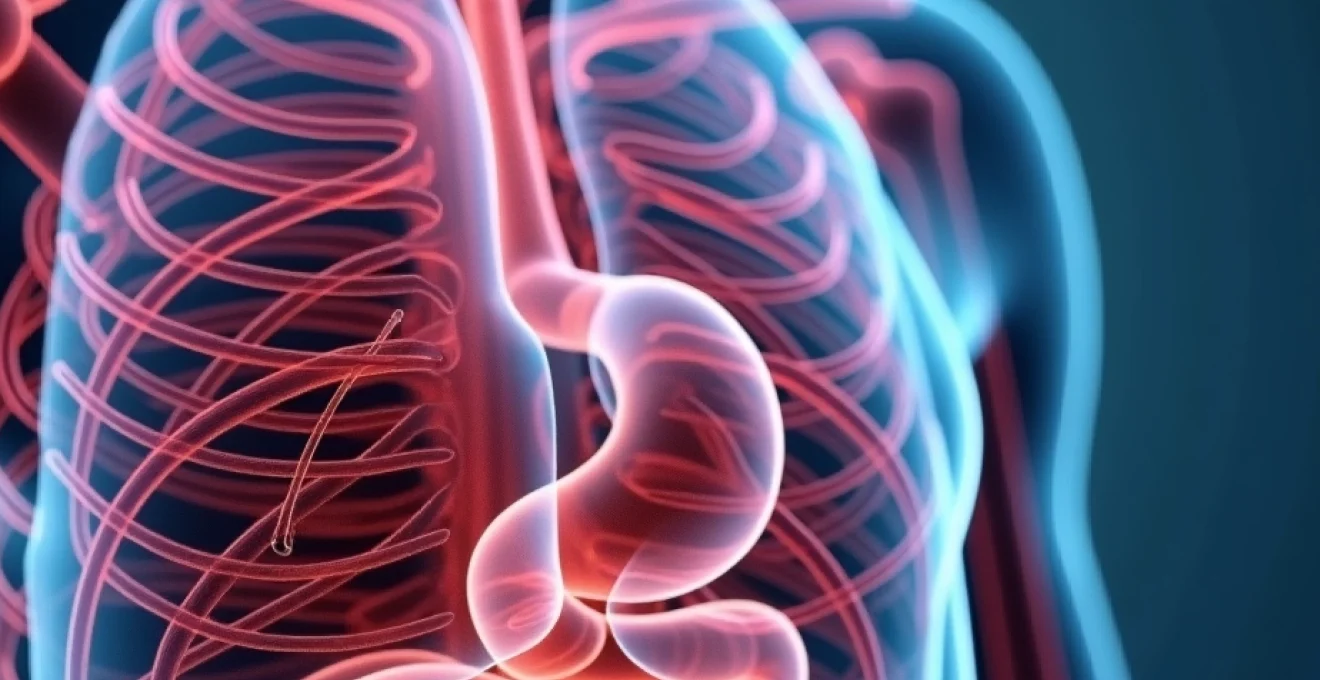
The connection between acid reflux and hiccups represents one of the more intriguing relationships in gastroenterology. Whilst most people experience occasional hiccups that resolve within minutes, some individuals suffer from persistent hiccups that can last for hours, days, or even longer periods. Research has increasingly demonstrated that gastroesophageal reflux disease (GERD) can be a significant underlying cause of chronic hiccups, creating a complex interplay between digestive dysfunction and respiratory disturbance. Understanding this relationship is crucial for both healthcare providers and patients, as treating the underlying reflux often leads to resolution of troublesome hiccup episodes.
Gastroesophageal reflux disease (GERD) pathophysiology and hiccup mechanisms
The physiological relationship between acid reflux and hiccups involves complex neurological and anatomical interactions that occur within the thoracic cavity. When stomach acid escapes through the lower oesophageal sphincter and travels upward into the oesophagus, it creates inflammation and irritation that extends beyond the digestive tract itself. This acid exposure triggers a cascade of neurological responses that can ultimately lead to involuntary diaphragmatic contractions – the defining characteristic of hiccups.
Lower esophageal sphincter dysfunction and vagus nerve stimulation
The lower oesophageal sphincter serves as the primary barrier preventing gastric contents from refluxing into the oesophagus. When this muscular valve weakens or relaxes inappropriately, acid can freely travel upward, creating direct contact with sensitive oesophageal tissues. The vagus nerve, which innervates both the digestive system and the diaphragm, becomes stimulated by this acid exposure. Clinical studies have shown that approximately 68% of patients with chronic hiccups demonstrate significant acid exposure during 24-hour pH monitoring studies.
Diaphragmatic irritation through Acid-Induced inflammation
Acid-induced oesophageal inflammation creates a localised inflammatory response that can extend to surrounding structures, including the diaphragm. The diaphragm sits in close anatomical proximity to the lower oesophagus, making it susceptible to inflammatory mediators released during reflux episodes. This inflammation can alter normal diaphragmatic function, leading to increased susceptibility to spasmodic contractions. Research indicates that patients with Los Angeles classification grade B or higher oesophagitis show a significantly increased incidence of hiccup-related complaints compared to those without visible inflammation.
Phrenic nerve response to gastric distension and reflux episodes
The phrenic nerve, originating from cervical vertebrae C3-C5, controls diaphragmatic movement and can be affected by gastric distension and reflux events. When the stomach becomes distended with gas or fluid, or when reflux episodes occur, the phrenic nerve may receive aberrant stimulation signals. This stimulation can trigger involuntary diaphragmatic contractions that manifest as hiccups. Studies using electromyographic monitoring have documented abnormal phrenic nerve activity patterns in patients experiencing reflux-related hiccup episodes.
Neurological pathways connecting gastroesophageal junction to hiccup centres
The neurological pathways connecting the gastroesophageal junction to central hiccup control centres involve multiple cranial nerves and brainstem structures. The trigeminal, facial, glossopharyngeal, and vagus nerves all contribute to the hiccup reflex arc. When acid reflux occurs, it can stimulate sensory receptors in the oesophagus that send signals through these neural pathways to the medullary hiccup centre. This central processing can result in coordinated diaphragmatic and accessory respiratory muscle contractions that produce hiccups. The complexity of these pathways explains why reflux-induced hiccups can be particularly difficult to treat with conventional hiccup remedies.
Clinical evidence linking acid reflux to persistent hiccups
The medical literature contains substantial evidence supporting the relationship between gastroesophageal reflux and chronic hiccups. Multiple case series and controlled studies have documented successful treatment of intractable hiccups through aggressive acid suppression therapy. One landmark study found that reflux oesophagitis was identified as a major contributing factor in approximately 30% of patients presenting with chronic hiccup syndromes. These findings have led to the recognition of GERD as an important differential diagnosis in patients with persistent hiccups.
Case studies of intractable hiccups resolved with proton pump inhibitors
Clinical case reports have documented remarkable responses to proton pump inhibitor (PPI) therapy in patients with seemingly intractable hiccups. In one notable case, a 62-year-old patient with severe heartburn and persistent hiccups showed complete resolution of hiccup symptoms following treatment with high-dose omeprazole. Endoscopic examination revealed grade B oesophagitis according to the Los Angeles classification system. After eight weeks of PPI therapy, both the oesophageal inflammation and hiccup episodes resolved completely. Similar outcomes have been reported with other PPI agents, including lansoprazole, pantoprazole, and esomeprazole.
Electromyographic studies of diaphragmatic spasms in GERD patients
Sophisticated electromyographic studies have provided objective evidence of altered diaphragmatic function in GERD patients experiencing hiccups. These studies demonstrate abnormal electrical activity patterns in the diaphragm during reflux episodes, with characteristic spike-and-wave patterns corresponding to hiccup events. The frequency of diaphragmatic spasms correlates directly with the severity of acid exposure, as measured by oesophageal pH monitoring. Patients with frequent reflux episodes show significantly higher rates of abnormal diaphragmatic electrical activity compared to control subjects.
Correlation between esophageal ph monitoring and hiccup frequency
Ambulatory pH monitoring studies have revealed strong correlations between acid exposure events and hiccup frequency in susceptible patients. Data from these studies show that hiccup episodes typically occur within 15-30 minutes following significant acid reflux events. The threshold pH level at which hiccups are triggered varies among patients, but most studies identify a pH below 4.0 as the critical level. Interestingly, the duration of acid exposure appears more important than the absolute pH level in triggering hiccup responses.
Research demonstrates that patients with acid exposure times exceeding 6% of the monitoring period show a three-fold increase in hiccup-related complaints compared to those with normal acid exposure patterns.
Ambulatory 24-hour ph studies demonstrating Reflux-Hiccup patterns
Twenty-four-hour ambulatory pH monitoring has become the gold standard for documenting reflux-hiccup relationships in clinical practice. These studies reveal characteristic patterns where hiccup episodes cluster around periods of increased acid exposure, particularly during postprandial periods and when patients are in supine positions. The temporal relationship between reflux events and hiccup onset provides compelling evidence for a causal relationship. Additionally, these studies have identified that nocturnal acid exposure is particularly likely to trigger prolonged hiccup episodes that can disrupt sleep patterns.
Anatomical relationships between esophageal structures and diaphragm
The anatomical relationship between the oesophagus and diaphragm is central to understanding how reflux can trigger hiccups. The oesophagus passes through the diaphragmatic hiatus, creating an intimate structural relationship between these organs. This proximity means that inflammatory processes affecting the lower oesophagus can easily extend to adjacent diaphragmatic tissues. The crural portions of the diaphragm, which form the oesophageal hiatus, are particularly susceptible to irritation from acid reflux episodes. Understanding this anatomy helps explain why some patients with hiatal hernias experience both reflux symptoms and frequent hiccups.
The shared blood supply and lymphatic drainage between the lower oesophagus and diaphragm further contribute to this relationship. Inflammatory mediators released during acid-induced oesophagitis can circulate through these shared vascular networks, affecting diaphragmatic function. Additionally, the close proximity of the vagus nerve to both structures means that inflammatory changes in the oesophageal region can easily affect neural control of diaphragmatic movement. This anatomical understanding has led to targeted therapeutic approaches that address both the reflux component and the resultant diaphragmatic dysfunction.
Differential diagnosis of Reflux-Related vs neurogenic hiccups
Distinguishing between reflux-related hiccups and those caused by neurological conditions requires careful clinical assessment and appropriate diagnostic testing. The differential diagnosis process involves evaluating the temporal relationship between symptoms, response to acid suppression therapy, and presence of other gastrointestinal symptoms. Reflux-related hiccups typically occur in association with meals, worsen when lying flat, and improve with upright positioning. They are often accompanied by other GERD symptoms such as heartburn, regurgitation, or nocturnal cough.
Distinguishing gastroesophageal reflux from central nervous system causes
Central nervous system causes of hiccups, including stroke, tumours, or infections affecting the medulla, typically present with additional neurological signs and symptoms. These patients may have altered consciousness, cranial nerve deficits, or motor dysfunction that is not present in those with reflux-related hiccups. Brain imaging studies, including MRI or CT scans, are essential in ruling out structural CNS abnormalities. The temporal pattern of CNS-related hiccups often differs from reflux-related episodes, with less clear relationship to meals or positioning changes.
Metabolic vs mechanical triggers in chronic hiccup syndromes
Metabolic causes of chronic hiccups include electrolyte imbalances, particularly involving sodium, potassium, calcium, or magnesium levels. Patients with diabetes mellitus may experience hiccups related to gastroparesis, which can complicate the diagnostic picture by causing both delayed gastric emptying and reflux. Mechanical causes, such as gastric distension from aerophagia or functional dyspepsia, must be distinguished from acid-mediated triggers. Laboratory evaluation should include comprehensive metabolic panels and assessment of renal function to identify potential metabolic contributors.
Pharmacological response patterns to antacids and prokinetic agents
The response to specific medications can provide valuable diagnostic clues in determining the underlying cause of chronic hiccups. Patients with reflux-related hiccups typically show improvement with proton pump inhibitors, H2 receptor antagonists, or antacids. The onset of symptom relief usually occurs within 24-72 hours of initiating acid suppression therapy. Prokinetic agents, such as metoclopramide or domperidone, may provide additional benefit by improving gastric emptying and reducing reflux episodes. In contrast, hiccups caused by neurological conditions rarely respond to these gastrointestinal medications.
Clinical trials demonstrate that approximately 85% of patients with reflux-related hiccups show significant improvement within one week of starting high-dose PPI therapy.
Treatment protocols for acid Reflux-Induced hiccups
Effective treatment of reflux-induced hiccups requires a comprehensive approach that addresses both the underlying acid reflux and the symptomatic hiccup episodes. The treatment protocol typically begins with aggressive acid suppression using proton pump inhibitors at doses higher than those used for typical GERD symptoms. Standard dosing involves twice-daily PPI administration, taken 30 minutes before meals, for a minimum of 8-12 weeks. Some patients may require extended treatment periods or maintenance therapy to prevent hiccup recurrence.
Lifestyle modifications play a crucial role in managing reflux-induced hiccups and should be implemented alongside pharmacological therapy. These modifications include elevating the head of the bed by 6-8 inches, avoiding large meals within 3 hours of bedtime, and eliminating trigger foods such as caffeine, alcohol, chocolate, and spicy foods. Weight reduction in overweight patients can significantly improve both reflux symptoms and hiccup frequency. Smoking cessation is particularly important, as tobacco use weakens the lower oesophageal sphincter and increases acid production.
For patients who do not respond adequately to initial medical therapy, additional interventions may be necessary. These can include the addition of prokinetic agents to improve gastric emptying, or the use of alginate preparations that form a protective barrier over the gastric contents. In severe cases, surgical intervention with laparoscopic fundoplication may be considered. This procedure has shown success rates of 80-90% in controlling both reflux symptoms and associated hiccups. The decision for surgical intervention should involve careful consideration of patient factors and failure of medical management.
Symptomatic treatment of hiccup episodes can provide immediate relief while waiting for acid suppression therapy to take effect. Traditional remedies such as breath-holding, drinking water slowly, or applying gentle pressure to the diaphragm may offer temporary relief. For more persistent episodes, medications such as baclofen, chlorpromazine, or gabapentin may be considered under medical supervision. The goal is to break the hiccup cycle while addressing the underlying reflux condition.
Prevention strategies through gastroesophageal reflux management
Preventing reflux-induced hiccups requires long-term commitment to comprehensive GERD management strategies. The foundation of prevention involves maintaining consistent acid suppression therapy in patients with documented reflux disease. Many patients require maintenance PPI therapy at the lowest effective dose to prevent both oesophageal inflammation and hiccup recurrence. Regular monitoring with healthcare providers ensures optimal dosing and identifies any complications early.
Dietary management plays a fundamental role in prevention strategies and requires individualised approaches based on patient tolerance and trigger identification. Keeping a detailed food and symptom diary can help identify specific triggers that precipitate both reflux and hiccup episodes. Common triggers to avoid include carbonated beverages, which increase gastric distension and belching, and foods high in fat content, which slow gastric emptying and increase reflux risk. Meal timing and portion control are equally important, with smaller, more frequent meals being preferable to large, infrequent ones.
Regular follow-up care is essential for patients with a history of reflux-induced hiccups, as the condition can recur if acid suppression is inadequate or if lifestyle factors change. Monitoring should include periodic assessment of symptom control, medication adherence, and potential complications such as Barrett’s oesophagus or oesophageal stricture. Patients should be educated about warning signs that require immediate medical attention, including persistent hiccups lasting more than 48 hours, difficulty swallowing, or unintentional weight loss. Early intervention in symptom recurrence can prevent the development of chronic, intractable hiccup patterns that are more difficult to treat successfully.