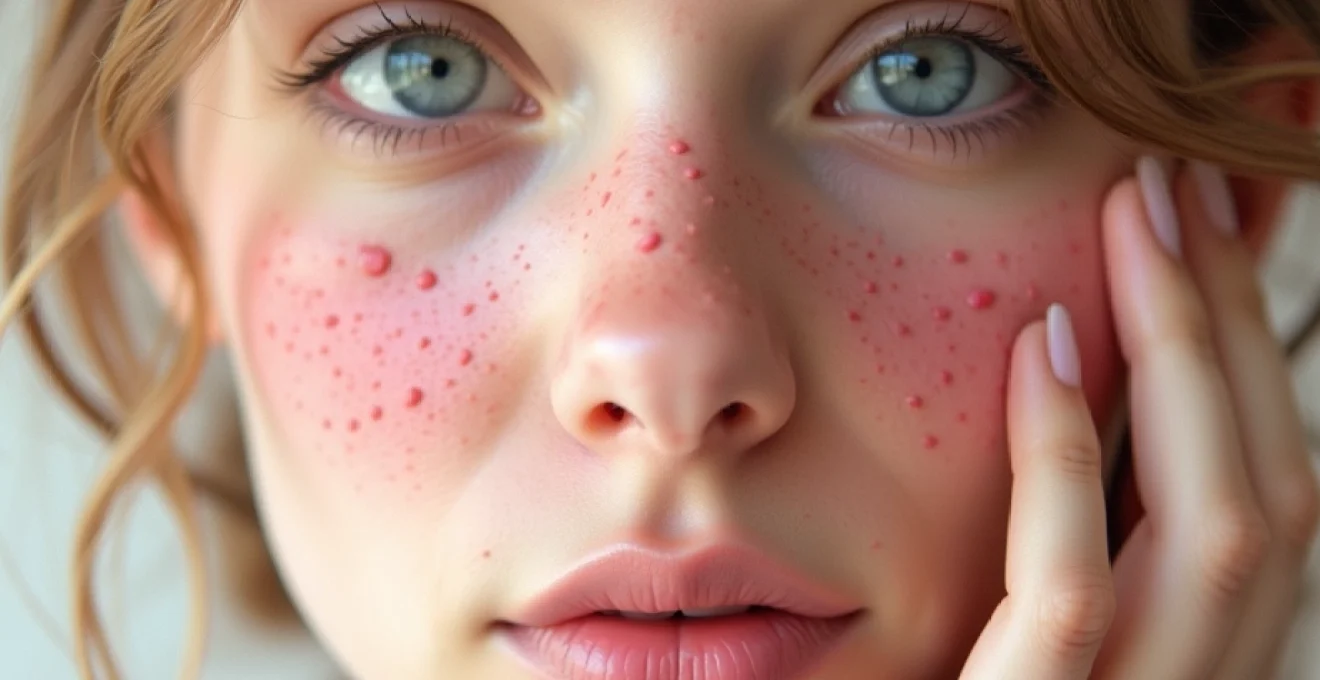
The intricate relationship between anorexia nervosa and dermatological manifestations represents a complex medical phenomenon that affects nearly half of individuals struggling with this restrictive eating disorder. Recent clinical studies reveal that acne development in anorexic patients occurs through multiple interconnected pathways, involving hormonal disruption, nutritional deficiencies, and stress-induced inflammatory responses. Understanding these mechanisms proves crucial for healthcare professionals treating patients who present with both psychological eating disorders and concurrent skin complications.
The connection between severe caloric restriction and cutaneous abnormalities extends far beyond simple nutritional inadequacy. Anorexia nervosa fundamentally alters the body’s homeostatic mechanisms , creating a cascade of physiological disruptions that manifest prominently through dermatological symptoms. This multisystem disorder affects approximately 0.5-1% of adolescents and young adults, with skin manifestations often serving as visible indicators of underlying metabolic dysfunction.
Anorexia nervosa pathophysiology and dermatological manifestations
The pathophysiological mechanisms underlying anorexia nervosa create profound systemic disruptions that inevitably manifest through various dermatological complications. These skin manifestations result from the body’s adaptive responses to chronic malnutrition and represent complex interactions between metabolic, hormonal, and immunological systems. Understanding these fundamental processes provides essential insight into why acne development occurs so frequently in anorexic patients.
Hypothalamic-pituitary-adrenal axis dysfunction in restrictive eating disorders
The hypothalamic-pituitary-adrenal (HPA) axis experiences significant dysregulation during anorexia nervosa, leading to altered cortisol production patterns that directly impact sebaceous gland function. Chronic stress from food restriction triggers sustained cortisol elevation, which stimulates androgen production and subsequently increases sebum synthesis. This hormonal cascade creates an environment conducive to comedone formation and bacterial proliferation within hair follicles.
Research demonstrates that anorexic patients exhibit cortisol levels up to 40% higher than healthy controls, with this elevation persisting throughout the active phase of the disorder. The sustained hypercortisolism not only affects sebaceous gland activity but also impairs the skin’s natural barrier function, making patients more susceptible to inflammatory skin conditions including acne vulgaris.
Malnutrition-induced sebaceous gland hyperactivity
Paradoxically, severe nutritional restriction can lead to increased sebaceous gland activity as the body attempts to compensate for compromised barrier function. When essential fatty acids become depleted, the skin responds by increasing sebum production to maintain protective lipid films. This compensatory mechanism often results in excessive oil production, particularly in areas with high sebaceous gland density such as the face, chest, and back.
The altered composition of sebum in malnourished individuals also contributes to acne development. Deficiencies in linoleic acid and other essential fatty acids change the sebum’s antimicrobial properties, creating conditions that favour bacterial colonisation, particularly by Propionibacterium acnes. This bacterial overgrowth initiates inflammatory cascades that manifest as papular and pustular acne lesions.
Zinc deficiency and inflammatory skin response mechanisms
Zinc deficiency represents one of the most significant micronutrient deficiencies in anorexic patients, with serum zinc levels often falling below 70% of normal values. This essential mineral plays crucial roles in wound healing, immune function, and inflammatory response regulation. Zinc deficiency compromises the skin’s ability to manage bacterial infections and inflammatory processes, leading to more severe and persistent acne lesions.
The impact of zinc deficiency extends beyond simple inflammatory control. This mineral serves as a cofactor for numerous enzymes involved in sebum production regulation and keratinocyte differentiation. When zinc levels become insufficient, normal skin cell turnover processes become disrupted, leading to increased comedone formation and follicular plugging that characterises acne development.
Cortisol elevation and comedogenic processes
Elevated cortisol levels in anorexic patients directly influence comedogenic processes through multiple pathways. Cortisol stimulates sebaceous gland proliferation and increases the expression of steroidogenic enzymes that convert precursor molecules into active androgens. These locally produced androgens then act on sebaceous glands to increase both size and sebum production capacity.
Additionally, chronic cortisol elevation affects keratinocyte behaviour within hair follicles, promoting hyperkeratinisation that leads to follicular plugging. This combination of increased sebum production and impaired follicular drainage creates the ideal conditions for comedone formation and subsequent inflammatory acne development. The severity of these comedogenic processes often correlates directly with the duration and intensity of the eating disorder.
Hormonal imbalances triggered by severe caloric restriction
Severe caloric restriction characteristic of anorexia nervosa triggers widespread hormonal imbalances that profoundly impact skin physiology and acne development. These endocrine disruptions represent adaptive mechanisms aimed at conserving energy during perceived starvation, but they inadvertently create conditions highly conducive to dermatological complications. The complexity of these hormonal changes explains why acne treatment in anorexic patients often requires comprehensive approaches addressing underlying nutritional and psychological factors.
Insulin-like growth factor-1 suppression and keratinocyte proliferation
Insulin-like growth factor-1 (IGF-1) levels become significantly suppressed during anorexia nervosa, often dropping to less than 50% of normal values. This suppression represents an adaptive response to caloric restriction, but it profoundly affects keratinocyte proliferation and differentiation processes. Reduced IGF-1 signalling leads to impaired wound healing capacity and altered skin cell turnover rates, contributing to comedone persistence and inflammatory lesion development.
The relationship between IGF-1 suppression and acne development involves complex interactions with other growth factors and hormones. Low IGF-1 levels affect the skin’s ability to maintain normal barrier function and repair mechanisms. This compromised repair capacity means that acne lesions persist longer and may be more likely to result in scarring or post-inflammatory hyperpigmentation in anorexic patients compared to healthy individuals.
Androgen receptor sensitivity alterations in malnourished states
Malnutrition associated with anorexia nervosa alters androgen receptor sensitivity and expression patterns within sebaceous glands and hair follicles. Despite potentially lower circulating androgen levels, the skin often exhibits increased sensitivity to available hormones due to upregulated receptor expression. This phenomenon explains why even modest androgen concentrations can trigger significant sebaceous gland activity and acne development in anorexic patients.
The mechanisms underlying altered androgen sensitivity involve changes in receptor binding affinity and intracellular signalling pathways. Nutritional deficiencies affect the synthesis of proteins required for normal hormone receptor function, leading to modified responses to circulating androgens. These changes can persist even during early recovery phases, contributing to ongoing acne problems as patients begin nutritional rehabilitation.
Thyroid hormone dysregulation and sebum production
Thyroid hormone dysregulation represents another significant endocrine disruption in anorexia nervosa, with most patients developing a low T3 syndrome characterised by reduced triiodothyronine levels and altered thyroid hormone metabolism. These thyroid abnormalities directly impact sebaceous gland function and sebum production patterns, contributing to the development of acne and other dermatological manifestations.
The relationship between thyroid function and sebaceous gland activity involves complex interactions between thyroid hormones and other endocrine factors. Reduced thyroid hormone activity can lead to altered sebum composition and decreased skin cell turnover rates. These changes create conditions that favour bacterial colonisation and inflammatory responses within hair follicles, particularly when combined with other hormonal imbalances present in anorexic patients.
Leptin deficiency impact on cutaneous immune function
Leptin deficiency, inevitable in severely malnourished anorexic patients, significantly impacts cutaneous immune function and inflammatory response mechanisms. Leptin serves not only as a satiety hormone but also as an important modulator of immune cell function, particularly affecting T-cell responses and cytokine production patterns. When leptin levels become severely depleted, the skin’s ability to mount appropriate immune responses becomes compromised.
The immunological consequences of leptin deficiency extend to the skin’s capacity to manage bacterial infections and inflammatory processes. Reduced leptin signalling impairs the function of resident immune cells within the skin, making patients more susceptible to bacterial overgrowth and inflammatory skin conditions. This compromised immune function contributes to the persistence and severity of acne lesions commonly observed in anorexic patients.
Micronutrient deficiencies and acne vulgaris development
The relationship between micronutrient deficiencies and acne development in anorexic patients involves multiple essential vitamins and minerals that play crucial roles in maintaining healthy skin function. These deficiencies don’t occur in isolation but rather represent interconnected nutritional inadequacies that collectively compromise the skin’s natural defence mechanisms and repair processes. Understanding these specific deficiencies provides insight into targeted therapeutic approaches that can help manage dermatological complications during eating disorder treatment.
Vitamin A deficiency and follicular hyperkeratinisation
Vitamin A deficiency stands as one of the most clinically significant micronutrient deficiencies contributing to acne development in anorexic patients. This fat-soluble vitamin plays essential roles in regulating keratinocyte differentiation and maintaining normal follicular epithelium function. When vitamin A levels become insufficient, follicular hyperkeratinisation occurs, leading to the formation of comedones and increased risk of inflammatory acne lesions.
The mechanisms by which vitamin A deficiency contributes to acne development involve altered gene expression patterns that control skin cell behaviour. Retinoids, the active forms of vitamin A, normally regulate the expression of genes involved in keratinocyte differentiation and sebaceous gland function. Without adequate vitamin A availability, these regulatory mechanisms become disrupted , leading to abnormal skin cell behaviour and increased propensity for follicular plugging and bacterial colonisation.
Essential fatty acid depletion and inflammatory cascade activation
Essential fatty acid (EFA) depletion represents a critical factor in acne development among anorexic patients, as these nutrients play fundamental roles in maintaining skin barrier function and regulating inflammatory responses. Omega-3 and omega-6 fatty acids serve as precursors for various signalling molecules that control inflammation, immune responses, and tissue repair processes. When EFA levels become depleted, the skin becomes more susceptible to inflammatory conditions including acne vulgaris.
The impact of EFA deficiency on sebum composition also contributes significantly to acne development. Normal sebum contains specific fatty acid ratios that help maintain the skin’s antimicrobial properties and barrier function. EFA depletion alters these ratios, creating sebum that is less effective at preventing bacterial colonisation and more likely to trigger inflammatory responses within hair follicles.
B-complex vitamin insufficiency and seborrheic dermatitis
B-complex vitamin insufficiencies commonly occur in anorexic patients and contribute to various dermatological manifestations, including conditions that may be confused with or coexist alongside acne vulgaris. Vitamins B2 (riboflavin), B6 (pyridoxine), and B12 (cobalamin) play particularly important roles in maintaining healthy skin function and regulating sebaceous gland activity.
Riboflavin deficiency can lead to seborrheic dermatitis-like conditions that may present with inflammatory lesions around the nose and mouth, potentially complicating the clinical picture in patients with concurrent acne. Pyridoxine deficiency affects hormone metabolism and can contribute to increased androgen activity, while B12 deficiency may impair DNA synthesis and cellular repair mechanisms. These combined deficiencies create a complex dermatological presentation that requires comprehensive nutritional assessment and targeted supplementation strategies.
Selenium and vitamin E deficiency in oxidative stress pathways
Selenium and vitamin E deficiencies frequently occur together in anorexic patients and significantly impact the skin’s antioxidant defence systems. These nutrients work synergistically to protect cellular membranes from oxidative damage and regulate inflammatory responses. When deficient, the skin becomes more susceptible to oxidative stress-induced inflammation, which can exacerbate existing acne lesions and impair healing processes.
The role of selenium extends beyond simple antioxidant function, as this mineral serves as a cofactor for glutathione peroxidase and other enzymes involved in protecting against lipid peroxidation. Vitamin E deficiency compounds these effects by reducing the skin’s ability to protect cellular membranes from free radical damage. Together, these deficiencies create conditions that favour chronic inflammation and delayed healing of acne lesions.
Stress response mechanisms and cutaneous inflammation
The psychological stress inherent in anorexia nervosa activates complex neuroendocrine pathways that directly influence skin physiology and inflammatory responses. These stress response mechanisms operate through multiple interconnected systems, including the hypothalamic-pituitary-adrenal axis, sympathetic nervous system, and local neuroimmunomodulatory networks within the skin itself. Understanding these connections helps explain why acne often worsens during periods of increased psychological distress in anorexic patients.
Chronic psychological stress associated with eating disorders triggers the release of various stress hormones and neuropeptides that can directly influence sebaceous gland function and inflammatory processes within the skin. Substance P, corticotropin-releasing hormone, and nerve growth factor all play roles in mediating stress-induced skin changes. These molecules can increase sebum production, promote inflammatory cell recruitment, and enhance bacterial proliferation within hair follicles, creating conditions highly conducive to acne development.
The bidirectional relationship between psychological stress and skin inflammation creates particularly challenging treatment scenarios in anorexic patients. Existing acne lesions can increase body dissatisfaction and psychological distress, which in turn may worsen eating disorder behaviours and further compromise skin health. This cycle often requires integrated treatment approaches that address both the psychological aspects of the eating disorder and the dermatological manifestations simultaneously.
Clinical studies demonstrate that anorexic patients with concurrent acne show higher levels of psychological distress and body dissatisfaction compared to those without skin complications, highlighting the importance of comprehensive dermatological care in eating disorder treatment.
The neuroimmunomodulatory effects of chronic stress also impair the skin’s natural healing mechanisms and antimicrobial defences. Stress-induced cortisol elevation can suppress local immune responses within the skin, making patients more susceptible to bacterial infections and reducing the effectiveness of natural acne-fighting mechanisms. Additionally, stress can affect sleep quality and duration, further compromising the skin’s repair processes and contributing to ongoing inflammatory skin conditions.
Treatment considerations for Anorexia-Related dermatological complications
Managing dermatological complications in anorexic patients requires a multifaceted approach that addresses both the underlying eating disorder and the specific skin manifestations. Traditional acne treatments may be less effective or potentially contraindicated in severely malnourished patients, necessitating modified therapeutic strategies that account for compromised physiological function and ongoing nutritional deficiencies. The primary focus must remain on nutritional rehabilitation and psychological treatment, with dermatological interventions serving as supportive measures.
Topical acne treatments require careful consideration in anorexic patients, as compromised skin barrier function may increase the risk of irritation and adverse reactions. Gentle, non-comedogenic moisturisers and mild cleansing agents often prove more beneficial than aggressive anti-acne formulations. Retinoid therapy may be particularly valuable given the vitamin A deficiencies common in these patients, but dosing must be carefully monitored to avoid exacerbating malnutrition-related complications.
Systemic acne treatments present additional challenges in anorexic patients due to concerns about drug metabolism, hepatic function, and potential interactions with nutritional rehabilitation efforts. Oral antibiotics may be necessary for severe inflammatory acne, but careful monitoring for gastrointestinal effects and potential interference with nutrient absorption is essential. Hormonal therapies require particular caution given the existing endocrine disruptions present in anorexic patients.
Nutritional rehabilitation often leads to temporary worsening of acne symptoms during the refeeding process, as hormonal systems begin to normalise and metabolic processes restart. Patients and families should be prepared for this possibility to maintain treatment compliance.
The psychological
impact of acne on body image and self-esteem in anorexic patients cannot be overstated, as dermatological complications often exacerbate existing psychological distress and may interfere with recovery progress. Cognitive-behavioural therapy approaches that address both eating disorder behaviours and skin-related concerns may prove particularly beneficial. Healthcare providers should validate patients’ concerns about skin appearance while emphasising that dermatological improvements typically follow successful eating disorder treatment and nutritional rehabilitation.
Collaborative care involving dermatologists, psychiatrists, and nutritionists provides the most comprehensive approach to managing anorexia-related skin complications. Regular monitoring of both nutritional status and dermatological symptoms allows for timely adjustments to treatment protocols. Patient education about the temporary nature of many skin changes during recovery can help maintain motivation for continued eating disorder treatment despite initial worsening of acne symptoms.
Differential diagnosis between anorexia-induced acne and adolescent acne vulgaris
Distinguishing between anorexia-induced acne and typical adolescent acne vulgaris presents significant diagnostic challenges, particularly given the overlap in age demographics and clinical presentations. However, several key features can help healthcare providers differentiate between these conditions and develop appropriate treatment strategies. Understanding these distinctions proves crucial for avoiding misdiagnosis and ensuring that underlying eating disorders receive proper attention and treatment.
The distribution pattern of acne lesions often differs between anorexic patients and those with standard adolescent acne. Anorexia-induced acne frequently presents with a more widespread distribution, affecting areas beyond the typical T-zone pattern seen in hormonal adolescent acne. Patients may develop lesions on the chest, back, and even extremities, reflecting the systemic nature of the underlying metabolic disruptions rather than localised hormonal influences.
The morphological characteristics of acne lesions can also provide diagnostic clues. Anorexia-related acne often presents with more inflammatory papules and pustules, with fewer comedones compared to typical adolescent acne. This difference reflects the underlying inflammatory processes and compromised immune function associated with malnutrition. Additionally, lesions in anorexic patients may exhibit slower healing times and increased tendency toward post-inflammatory hyperpigmentation due to impaired wound healing mechanisms.
Timing and onset patterns serve as important differentiating factors in diagnosis. Standard adolescent acne typically follows predictable patterns related to pubertal development and hormonal changes, usually beginning around ages 12-14 and following characteristic progression patterns. In contrast, anorexia-induced acne may appear at any age and often correlates with the onset or worsening of eating disorder behaviours rather than typical developmental milestones.
Clinical assessment should always include screening for eating disorder symptoms when acne presents with atypical features, unusual distribution patterns, or occurs in conjunction with other signs of malnutrition such as fine body hair, brittle nails, or dental complications.
The response to conventional acne treatments can also provide diagnostic information. Anorexia-induced acne frequently shows poor response to standard topical therapies and may actually worsen with aggressive treatment approaches. This treatment resistance often results from the underlying nutritional deficiencies and hormonal imbalances that continue to drive acne development despite appropriate dermatological interventions. Healthcare providers should consider eating disorder evaluation when acne fails to respond to evidence-based treatments.
Laboratory findings can support differential diagnosis when eating disorders are suspected. Anorexic patients typically present with characteristic laboratory abnormalities including low protein levels, electrolyte imbalances, anaemia, and hormonal disruptions that are not present in patients with simple adolescent acne. Specific markers such as low IGF-1, elevated cortisol, and nutritional deficiencies can help confirm the diagnosis of anorexia nervosa in patients presenting with atypical acne patterns.
The psychosocial context surrounding acne development should not be overlooked during diagnostic evaluation. Patients with anorexia-induced acne often exhibit excessive preoccupation with skin appearance that goes beyond typical adolescent concern about acne. This heightened focus on perceived skin flaws may represent manifestations of body dysmorphic thoughts commonly associated with eating disorders rather than realistic responses to dermatological conditions.
Family history and social factors can provide additional diagnostic context. While family history of acne is common in adolescent acne vulgaris, anorexia-induced acne may occur even in patients without genetic predisposition to skin problems. Additionally, social stressors, perfectionist personality traits, and family dynamics that commonly contribute to eating disorder development may be more prominent in patients with anorexia-induced acne compared to those with standard adolescent acne.
The presence of concurrent dermatological manifestations can further support the diagnosis of anorexia-related skin complications. Patients with eating disorders frequently develop multiple skin problems simultaneously, including dry skin, lanugo hair growth, delayed wound healing, and brittle nails. This constellation of dermatological findings rarely occurs in patients with isolated adolescent acne vulgaris and should prompt comprehensive eating disorder assessment.
Treatment response patterns over time can retrospectively support differential diagnosis. Anorexia-induced acne typically improves only with successful eating disorder treatment and nutritional rehabilitation, regardless of dermatological interventions. In contrast, adolescent acne usually responds to appropriate topical or systemic acne treatments even without addressing lifestyle or psychological factors. This fundamental difference in treatment response highlights the importance of accurate initial diagnosis and comprehensive patient evaluation.