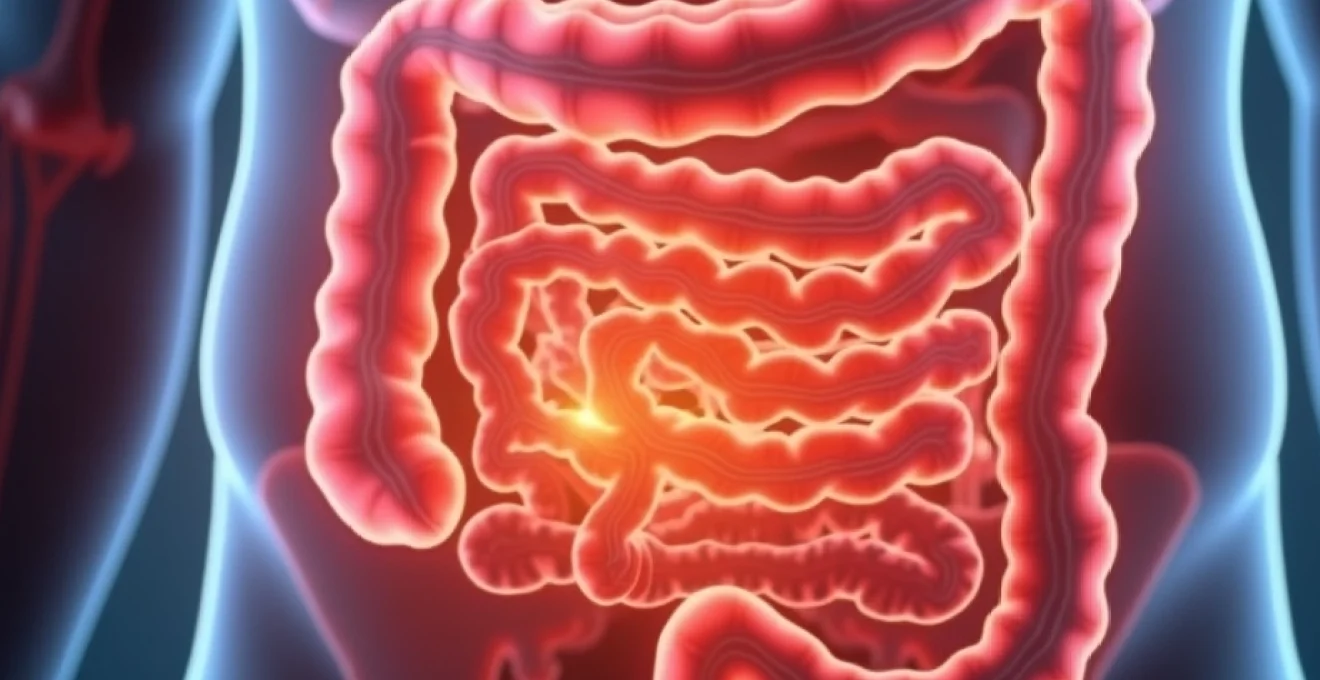
Gastrointestinal discomfort and testicular pain might seem unrelated at first glance, yet the human body’s intricate network of nerves and anatomical connections can create surprising patterns of referred pain. When intestinal gas builds up within the digestive system, it can trigger sensations that extend far beyond the abdomen, potentially reaching the testicular region through complex neurological pathways. This phenomenon occurs due to the shared nerve supply between the gastrointestinal tract and the male reproductive organs, creating a web of interconnected sensory experiences that can confuse both patients and healthcare providers. Understanding these connections becomes crucial for proper diagnosis and treatment, particularly when distinguishing between benign gas-related discomfort and more serious urological conditions requiring immediate medical attention.
Anatomical pathways of referred gastrointestinal pain to testicular region
The relationship between gastrointestinal gas and testicular discomfort stems from the shared embryological origins and nerve supply patterns of these anatomical regions. During foetal development, the testicles initially form near the kidneys before descending into the scrotum, carrying their nerve supply along this journey. This developmental pathway creates lasting connections between the abdominal cavity and the male reproductive organs, establishing the foundation for referred pain patterns that persist throughout life.
Visceral afferent nerve distribution from ascending colon to genitofemoral nerve
The ascending colon receives its sensory innervation through visceral afferent fibres that travel alongside sympathetic nerve pathways. These fibres follow the superior and inferior mesenteric arteries, eventually connecting to the celiac ganglia and sympathetic chain. Visceral afferent pathways from the colon can converge with sensory fibres from the genitofemoral nerve, which provides sensation to the scrotal skin and cremaster muscle. When gas distends the ascending colon, the resulting visceral pain signals can be misinterpreted by the central nervous system as originating from the testicular region.
The genitofemoral nerve, arising from the L1-L2 nerve roots, carries sensory information from both the genital region and the upper thigh. This dual innervation creates opportunities for cross-referencing pain signals, particularly when intense visceral stimulation from intestinal gas overwhelms the normal processing mechanisms. The phenomenon becomes more pronounced during episodes of significant bowel distension, when the increased intra-abdominal pressure can compress surrounding structures and amplify pain transmission through these shared pathways.
Sympathetic chain innervation through T10-L2 spinal segments
The sympathetic nervous system plays a crucial role in transmitting pain signals from the gastrointestinal tract to the testicular region through the T10-L2 spinal segments. These segments house the cell bodies of preganglionic sympathetic neurons that innervate both the intestinal tract and the male reproductive organs. When gas accumulates in the intestines, particularly in the transverse and descending colon, the resulting distension activates sympathetic afferent fibres that converge at the same spinal levels responsible for testicular sensation.
The sympathetic chain ganglia serve as important relay stations where visceral pain signals can interact and potentially cross-reference. The celiac and superior mesenteric ganglia receive input from both intestinal and testicular afferent fibres, creating anatomical substrates for referred pain patterns. During periods of intestinal gas accumulation, the increased sympathetic activity can heighten sensitivity throughout this neural network, making patients more susceptible to experiencing testicular discomfort as a secondary manifestation of gastrointestinal disturbance.
Parasympathetic vagal pathway convergence in celiac plexus
The parasympathetic nervous system, primarily through the vagus nerve and pelvic splanchnic nerves, also contributes to the complex interplay between gastrointestinal and testicular sensations. The vagus nerve provides parasympathetic innervation to the upper gastrointestinal tract and forms extensive connections within the celiac plexus, where it intersects with sympathetic fibres from various abdominal organs, including those serving the testicular region.
Within the celiac plexus, parasympathetic and sympathetic fibres create a dense network of neural connections that can facilitate cross-talk between different organ systems. When intestinal gas causes significant distension, the resulting activation of vagal afferents can influence the overall sensitivity of the entire plexus, potentially amplifying pain signals that reach the testicular region through sympathetic pathways. This convergence explains why some patients experience testicular discomfort alongside other autonomic symptoms such as nausea or changes in heart rate during episodes of severe intestinal gas.
Retroperitoneal fascial plane communications and pain transmission
The retroperitoneal space contains extensive fascial planes that provide pathways for pain transmission between the gastrointestinal tract and the testicular region. These fascial communications allow inflammatory mediators and pressure changes from intestinal gas to propagate beyond the confines of the digestive system, potentially affecting nearby structures including the spermatic cord and testicular vessels.
The retroperitoneal fascial layers, particularly Gerota’s fascia and the prerenal fascia, create continuous pathways that can transmit mechanical forces generated by intestinal distension. When gas accumulates in the retroperitoneal portions of the colon, the resulting pressure can be transmitted through these fascial planes to affect the posterior wall of the scrotum and the structures within it. This mechanism becomes particularly relevant in cases of severe bowel obstruction or significant gas accumulation, where the increased intra-abdominal pressure can create widespread referred pain patterns throughout the lower abdomen and genitourinary region.
Gastrointestinal conditions causing testicular referred pain symptoms
Various gastrointestinal disorders can trigger referred pain patterns that manifest in the testicular region, often confusing the clinical picture and requiring careful differential diagnosis. Understanding these conditions helps healthcare providers distinguish between primary testicular pathology and secondary manifestations of digestive system disorders.
Intestinal obstruction and bowel distension effects on spermatic cord
Intestinal obstruction represents one of the most dramatic examples of how gastrointestinal pathology can cause testicular referred pain. When bowel loops become obstructed, gas and fluid accumulation proximal to the blockage creates significant distension that can affect nearby anatomical structures. The spermatic cord , which passes through the inguinal canal in close proximity to the intestines, can be compressed by the distended bowel loops, leading to testicular discomfort that may be mistaken for primary urological pathology.
The mechanism involves both direct mechanical compression and referred pain through shared nerve pathways. As intestinal pressure increases, the resulting distension can compress the spermatic vessels and nerves, creating ischaemic conditions that trigger pain signals. Additionally, the intense visceral pain from the obstructed bowel can activate pain pathways that converge with testicular sensory fibres at the spinal cord level, creating a referred pain pattern that patients experience as testicular discomfort.
Inflammatory bowel disease flares and inguinal region discomfort
Inflammatory bowel disease (IBD), including Crohn’s disease and ulcerative colitis, can produce complex pain patterns that extend beyond the digestive system. During acute flares, the inflammatory process affects not only the bowel wall but also surrounding tissues and nerve structures. The inflammatory mediators released during IBD flares can sensitise pain receptors throughout the abdomen and pelvis, creating conditions where normal intestinal gas movement becomes painful and can trigger referred sensations in the testicular region.
Crohn’s disease, with its potential for transmural inflammation and extraintestinal manifestations, presents particular challenges in pain localisation. The inflammatory process can affect the retroperitoneal space and create adhesions that alter normal anatomical relationships. These changes can establish new pathways for pain transmission, making patients with IBD more susceptible to experiencing testicular discomfort during periods of disease activity, even when gas accumulation might be considered normal in healthy individuals.
Gastroenteritis-induced visceral hypersensitivity mechanisms
Acute gastroenteritis can create temporary changes in visceral sensitivity that persist beyond the initial infectious episode. The inflammatory response triggered by bacterial, viral, or parasitic infections can sensitise enteric nerve pathways, making patients more susceptible to pain from normal physiological processes such as gas movement through the intestines. This visceral hypersensitivity can extend to referred pain patterns, causing patients to experience testicular discomfort from gas accumulation that would normally be asymptomatic.
Post-infectious irritable bowel syndrome represents a chronic manifestation of this phenomenon, where patients continue to experience heightened sensitivity to intestinal gas and distension long after the initial infection has resolved. The altered pain processing mechanisms established during the acute phase can persist for months or years, creating ongoing susceptibility to referred testicular pain during episodes of intestinal gas accumulation or minor digestive disturbances.
Appendicitis presentation with ipsilateral scrotal pain patterns
Appendicitis, particularly in cases involving retrocecal appendix location, can present with referred pain patterns that include testicular discomfort on the right side. The appendix’s proximity to the cecum and its shared nerve supply with structures that innervate the right testis create anatomical substrates for this referred pain pattern. When the appendix becomes inflamed and distended, the resulting visceral pain can be referred through sympathetic pathways to the right testicular region.
The clinical significance of this pattern becomes crucial in emergency settings, where appendicitis must be distinguished from primary testicular pathology such as torsion or epididymitis. The ipsilateral nature of the referred pain, typically affecting the right testis in cases of appendicitis, can provide diagnostic clues when combined with other clinical findings such as McBurney’s point tenderness and elevated inflammatory markers.
Differential diagnosis between gas pain and testicular pathology
Distinguishing between referred gastrointestinal pain and primary testicular pathology requires careful clinical assessment and understanding of the characteristic features of each condition. The differential diagnosis becomes particularly challenging when symptoms overlap or when patients present with atypical manifestations that don’t follow classical patterns.
Distinguishing trapped gas symptoms from testicular torsion emergency signs
Testicular torsion represents a urological emergency requiring immediate surgical intervention, making its differentiation from benign gas-related referred pain critically important. Torsion typically presents with sudden onset of severe, unilateral testicular pain that progressively worsens over time, often accompanied by nausea and vomiting. In contrast, gas-related referred pain tends to be more intermittent, correlating with periods of intestinal distension and often improving with position changes or passage of gas.
The key distinction lies in the progressive nature of torsion pain versus the fluctuating character of gas-related discomfort, though clinical correlation with physical examination findings remains essential for accurate diagnosis.
Physical examination provides crucial differentiating features between these conditions. Testicular torsion typically presents with a high-riding testis, absent cremasteric reflex, and horizontal lie of the affected testis. Gas-related referred pain, conversely, shows normal testicular position and reflexes, with tenderness that may be more diffuse and less localised to the testis itself. The presence of bowel sounds, abdominal distension, or relief with antispasmodic medications can further support a gastrointestinal origin for the symptoms.
Epididymitis clinical presentation versus intestinal gas accumulation
Epididymitis, an inflammatory condition affecting the epididymis, shares some clinical features with referred gastrointestinal pain, creating diagnostic challenges in certain cases. Both conditions can present with gradual onset of testicular discomfort, though epididymitis typically develops over several days rather than the more acute fluctuations seen with gas-related pain. The presence of dysuria, urethral discharge, or fever strongly suggests an infectious cause rather than referred gastrointestinal pain.
The Prehn’s sign , where elevation of the affected testis provides pain relief, can be positive in cases of epididymitis but is typically absent in referred gas pain. Additionally, epididymitis often presents with localised tenderness over the epididymis and may be associated with urinary tract infection symptoms. Gas-related referred pain, by contrast, tends to be more diffuse and may improve with measures that relieve intestinal gas, such as simethicone administration or changes in position that facilitate gas movement.
Inguinal hernia complications and overlapping gastrointestinal symptoms
Inguinal hernias can present with complex symptom patterns that overlap with both gastrointestinal gas accumulation and primary testicular pathology. Incarcerated or strangulated hernias can cause severe pain that radiates to the testicular region while simultaneously creating bowel obstruction with associated gas accumulation. This combination creates a challenging diagnostic scenario where both gastrointestinal and testicular symptoms coexist as manifestations of the same underlying pathology.
The presence of a palpable hernia bulge, particularly one that becomes more prominent with increased intra-abdominal pressure, helps distinguish hernial complications from simple gas-related referred pain. However, small or deeply located hernias may not be easily palpable, requiring imaging studies for definitive diagnosis. Bowel sounds within the scrotum or inguinal canal, when present, provide strong evidence for hernial involvement rather than simple gas-related referred pain.
Urolithiasis pain radiation patterns compared to bowel gas distribution
Kidney stones and ureteral calculi can create pain patterns that may be confused with both testicular pathology and referred gastrointestinal pain. Ureteral stones, particularly those located in the distal ureter, commonly cause referred pain to the ipsilateral testis through shared nerve pathways. The pain character in urolithiasis tends to be colicky and severe, often described as the worst pain patients have ever experienced, which differs from the typically milder, more constant discomfort associated with gas-related referred pain.
The temporal relationship between symptoms and gastrointestinal factors can provide diagnostic clues. Gas-related referred testicular pain often correlates with meals, bowel movements, or dietary factors known to increase intestinal gas production. Stone pain, conversely, may be associated with fluid intake, physical activity, or positional changes that affect stone movement within the urinary tract. Urinalysis can provide definitive differentiation, as microscopic haematuria is present in the majority of patients with urolithiasis but absent in cases of simple gas-related referred pain.
Clinical assessment techniques for Gas-Related testicular discomfort
Proper clinical assessment of suspected gas-related testicular discomfort requires a systematic approach that considers both gastrointestinal and urological factors. The evaluation should begin with a thorough history that explores the temporal relationship between digestive symptoms and testicular discomfort, including dietary triggers, bowel movement patterns, and the character of the pain itself. Patients should be questioned about recent dietary changes, use of gas-producing foods, and any correlation between abdominal symptoms and testicular pain.
Physical examination should encompass both abdominal and genital assessments, with particular attention to bowel sounds, abdominal distension, and the presence of gas-filled bowel loops. The testicular examination should focus on ruling out primary pathology such as masses, tenderness localised to specific structures, or signs of inflammation. Percussion of the abdomen can reveal areas of gas accumulation, while gentle palpation may identify regions of intestinal distension that correlate with the patient’s pain distribution. The cremasteric reflex should be assessed to help differentiate referred pain from primary testicular pathology.
Laboratory investigations play a supportive role in the assessment, with complete blood count and inflammatory markers helping to rule out infectious or inflammatory conditions. Urinalysis can exclude urinary tract pathology, while imaging studies such as abdominal X-rays or ultrasound may be considered in cases where the diagnosis remains unclear. The use of therapeutic trials, such as simethicone administration or dietary modifications, can provide both diagnostic and therapeutic benefits, as improvement with these interventions supports a gastrointestinal origin for the symptoms.
Evidence-based treatment protocols for gastrointestinal gas and associated referred pain
Management of gas-related testicular referred pain focuses primarily on addressing the underlying gastrointestinal issues while providing symptomatic relief. The treatment approach should be individualised based on the severity of symptoms, underlying gastrointestinal conditions, and patient tolerance. First-line intervent
ions typically include dietary modifications aimed at reducing gas production, such as limiting high-FODMAP foods, carbonated beverages, and gas-producing legumes. Simethicone, an anti-foaming agent, represents the most commonly prescribed medication for intestinal gas, working by breaking down gas bubbles to facilitate their elimination. The typical dosage ranges from 40-125mg taken with meals and at bedtime, though higher doses may be necessary during acute episodes.
Prokinetic agents such as metoclopramide or domperidone may be considered in cases where delayed gastric emptying contributes to gas accumulation and associated referred pain. These medications enhance gastrointestinal motility, promoting more efficient gas transit and reducing the likelihood of significant distension. Alpha-galactosidase supplements taken before meals containing complex carbohydrates can prevent gas formation by breaking down oligosaccharides that would otherwise be fermented by colonic bacteria.
Physical interventions play an important complementary role in managing gas-related testicular referred pain. Positional changes, such as the knee-chest position or left lateral decubitus position, can facilitate gas movement and provide symptomatic relief. Gentle abdominal massage in a clockwise direction following the course of the colon can help mobilise trapped gas. Heat application to the abdomen through warm packs or baths may provide additional comfort by relaxing intestinal smooth muscle and reducing spasm-related pain transmission.
For patients with underlying gastrointestinal conditions such as IBS or inflammatory bowel disease, targeted therapy addressing the primary condition often provides the most effective relief of referred testicular pain. This may include antispasmodic medications, probiotics to restore normal gut flora, or anti-inflammatory treatments for IBD patients. Cognitive behavioural therapy and stress management techniques can also prove beneficial, as psychological stress significantly impacts gastrointestinal function and visceral pain perception.
When to seek immediate medical evaluation for testicular pain symptoms
Recognising when testicular pain requires emergency evaluation becomes crucial for preventing serious complications and ensuring appropriate treatment. While gas-related referred pain typically presents with characteristic features that distinguish it from urological emergencies, certain warning signs mandate immediate medical attention regardless of the suspected underlying cause. Understanding these red flag symptoms empowers patients to make informed decisions about seeking care and helps prevent potentially devastating complications from delayed diagnosis.
Sudden onset of severe, unilateral testicular pain represents the most critical warning sign requiring immediate evaluation. This presentation strongly suggests testicular torsion, a condition where delayed treatment beyond six hours significantly increases the risk of testicular loss. The pain typically reaches maximum intensity within minutes to hours and is often described as the worst pain the patient has ever experienced. Associated nausea and vomiting frequently accompany torsion, distinguishing it from the more gradual, fluctuating discomfort typical of gas-related referred pain.
Fever accompanying testicular pain suggests an infectious process requiring prompt antibiotic treatment to prevent complications such as abscess formation or sepsis. Temperatures exceeding 38°C (100.4°F) combined with testicular pain should prompt immediate medical evaluation, particularly when associated with urinary symptoms, penile discharge, or systemic signs of illness. The combination of fever and testicular pain may indicate epididymitis, orchitis, or more serious conditions such as Fournier’s gangrene, a necrotising soft tissue infection requiring emergency surgical intervention.
Changes in testicular size, shape, or consistency require prompt urological evaluation to exclude malignancy or other serious pathology. Any palpable mass, regardless of whether it causes pain, should be evaluated immediately as testicular cancer can present with varying degrees of discomfort. Testicular asymmetry that develops acutely or progressively warrants investigation, as this may indicate torsion, tumour growth, or other pathological processes requiring urgent intervention.
Persistent testicular pain lasting more than 24 hours, even when initially attributed to gas-related causes, should prompt medical evaluation. While referred gastrointestinal pain typically fluctuates with digestive processes and may improve with gas relief measures, pain that remains constant or progressively worsens suggests alternative pathology requiring investigation. This becomes particularly important when conservative measures such as position changes, gas relief medications, or dietary modifications fail to provide symptomatic improvement.
Scrotal skin changes including redness, warmth, or unusual discolouration require immediate assessment as these signs may indicate infection, torsion, or vascular compromise. The normal scrotal skin should appear similar to surrounding areas without significant temperature differences or colour changes. Dusky or cyanotic discolouration particularly suggests compromised blood flow and represents a urological emergency requiring immediate surgical evaluation.
Patients with known gastrointestinal conditions who experience new or different patterns of testicular pain should seek prompt evaluation, as underlying inflammatory or obstructive processes may create complications requiring specific treatment. This becomes particularly relevant for individuals with inflammatory bowel disease, previous abdominal surgeries, or chronic constipation, where changes in usual symptom patterns may indicate disease progression or complications such as bowel obstruction or perforation.
The presence of blood in urine or semen accompanying testicular pain warrants immediate medical attention, as this combination may indicate trauma, infection, or malignancy requiring urgent investigation. While microscopic haematuria may be subtle and require laboratory detection, visible blood should prompt immediate evaluation regardless of the severity of accompanying pain. Haematospermia, though often benign, requires assessment when associated with testicular discomfort to exclude serious underlying pathology.
Young men, particularly those aged 15-35 years, represent the highest risk group for testicular torsion and should maintain a lower threshold for seeking emergency evaluation when experiencing significant testicular pain. This demographic consideration becomes especially important given that torsion can occur without obvious precipitating factors and may initially present with mild symptoms that progressively worsen. The time-sensitive nature of torsion treatment makes early recognition and intervention critical for testicular preservation and future fertility.