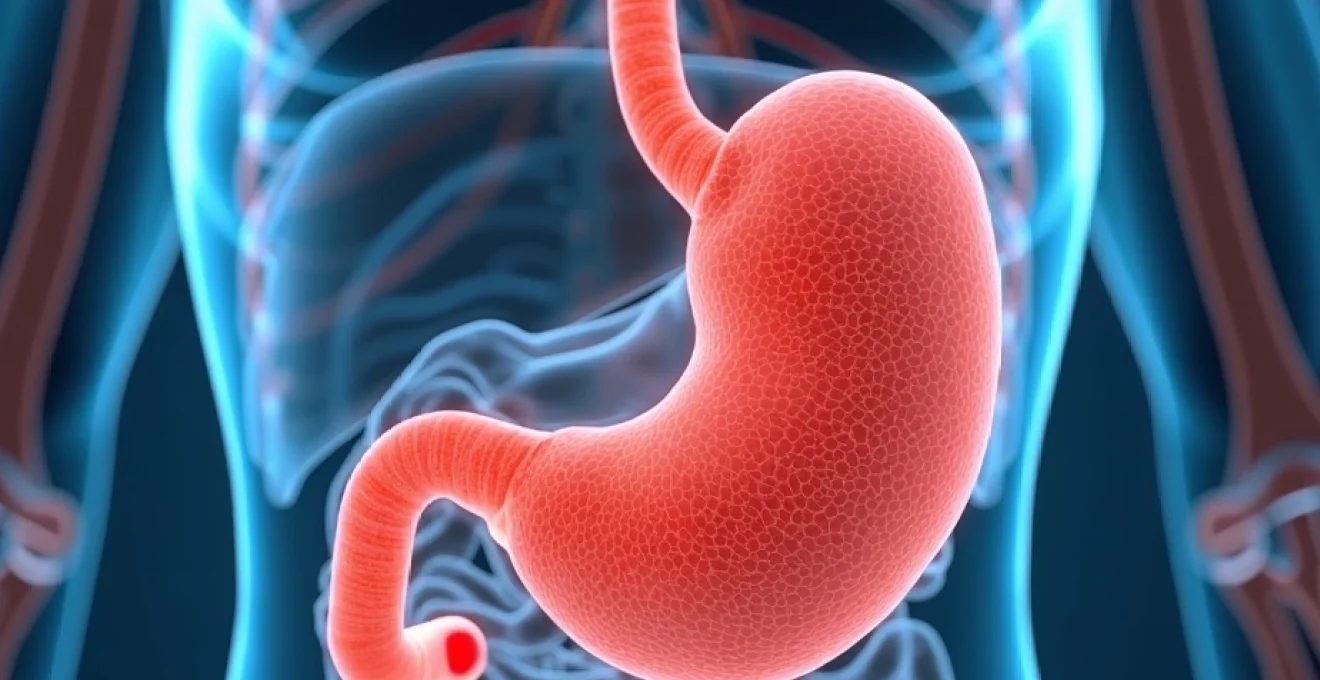
The relationship between herpes simplex virus (HSV) and gastrointestinal infections represents a fascinating yet underexplored area of medical research. While most people associate herpes with oral or genital lesions, recent clinical evidence suggests that HSV can indeed affect the stomach and other parts of the digestive system. This phenomenon occurs primarily in immunocompromised patients, challenging traditional understanding of HSV’s tissue preferences and highlighting the virus’s remarkable adaptability in various physiological environments.
Understanding HSV’s potential to infect gastric tissue requires examining both the virus’s biological mechanisms and the clinical circumstances that enable such infections. The implications extend beyond academic interest, as healthcare providers increasingly encounter atypical HSV presentations in vulnerable patient populations, necessitating updated diagnostic and treatment approaches.
Herpes simplex virus pathophysiology and gastrointestinal tract involvement
Herpes simplex virus demonstrates remarkable versatility in its ability to infect various tissues throughout the human body. While HSV typically exhibits strong neurotropism, establishing latency in nerve ganglia, emerging research reveals its capacity to engage with epithelial cells throughout the gastrointestinal tract. This adaptability stems from the virus’s sophisticated mechanisms for cellular entry and replication, which can function across diverse tissue types under specific conditions.
HSV-1 and HSV-2 neurotropism versus gastrointestinal epithelial cell affinity
The traditional understanding of HSV tissue preference focuses on its neurotropic characteristics , where the virus demonstrates a strong affinity for neural tissue. However, clinical observations have revealed that both HSV-1 and HSV-2 can infect epithelial cells lining the gastrointestinal tract. This occurs through the virus’s ability to utilise cellular receptors present on gastric epithelial cells, particularly in situations where the immune system’s surveillance mechanisms are compromised.
HSV-1, typically associated with orofacial infections, shows particular propensity for upper gastrointestinal tract involvement. The virus can travel from oral lesions through saliva ingestion, potentially establishing infection in the oesophagus and subsequently the stomach. This process becomes more likely when normal immune responses are inadequate to clear the viral load before tissue invasion occurs.
Viral replication mechanisms in mucosal tissues and gastric environment
The gastric environment presents unique challenges for viral replication due to its acidic nature and protective mucus layer. However, HSV has demonstrated remarkable adaptability in overcoming these barriers. The virus can exploit breaks in the mucosal integrity, often caused by concurrent conditions such as peptic ulcer disease or stress-induced gastritis, to access underlying epithelial cells where replication can occur.
Once HSV gains entry to gastric epithelial cells, it follows similar replication patterns observed in other tissues. The virus hijacks cellular machinery to produce viral proteins and replicate its genetic material. However, the harsh gastric environment may influence viral behaviour, potentially leading to more aggressive local tissue damage as the virus attempts to establish sustainable infection sites.
Alpha-herpesvirus family characteristics and tissue selectivity patterns
As members of the alpha-herpesvirus family, both HSV-1 and HSV-2 share fundamental characteristics that enable their diverse tissue infectivity. These viruses possess broad host range capabilities at the cellular level, meaning they can potentially infect various cell types beyond their preferred targets. This flexibility becomes clinically relevant when host immune defences are insufficient to maintain normal tissue-specific viral restriction.
The tissue selectivity patterns of alpha-herpesviruses depend heavily on host factors rather than absolute viral preferences. In immunocompetent individuals, robust immune responses typically prevent viral establishment in non-preferred tissues. However, when these defences are compromised, the virus can exploit alternative infection sites, including gastric tissue.
Immunocompromised patient susceptibility to atypical HSV manifestations
Immunocompromised patients represent the primary population at risk for atypical HSV manifestations, including gastric involvement. Conditions such as HIV infection, organ transplantation, chemotherapy treatment, and severe malnutrition create environments where HSV can behave more aggressively and infect tissues typically protected by immune surveillance. The degree of immunosuppression often correlates with the likelihood and severity of unusual HSV presentations.
In these vulnerable populations, HSV gastric infections can manifest as part of disseminated disease or as isolated gastrointestinal involvement. The clinical presentation may be subtle, often mimicking other gastrointestinal conditions, which can delay appropriate diagnosis and treatment. Understanding these risk factors enables healthcare providers to maintain appropriate suspicion for HSV involvement in relevant clinical scenarios.
Clinical documentation of herpes simplex virus gastrointestinal infections
The medical literature contains increasing documentation of HSV infections throughout the gastrointestinal tract, with particular emphasis on oesophageal and gastric involvement. These case reports and clinical studies provide valuable insights into the circumstances, presentations, and outcomes associated with HSV gastrointestinal infections. The evidence suggests that while rare in immunocompetent individuals, such infections can be life-threatening in vulnerable populations.
Herpes simplex oesophagitis in HIV-Positive and transplant recipients
Herpes simplex oesophagitis represents one of the most well-documented forms of HSV gastrointestinal involvement. In HIV-positive patients, particularly those with CD4 counts below 200 cells/μL, HSV oesophagitis can cause severe dysphagia, odynophagia, and weight loss. The condition often presents with characteristic endoscopic findings including shallow ulcerations with raised borders, though these features are not pathognomonic.
Solid organ transplant recipients face similar risks due to therapeutic immunosuppression required to prevent graft rejection. In this population, HSV oesophagitis can occur at any time post-transplantation but appears most commonly within the first six months when immunosuppressive regimens are most intensive. The clinical presentation may be masked by concurrent infections or medication side effects, necessitating high clinical suspicion.
HSV gastritis case reports in severely immunosuppressed patients
While less common than oesophageal involvement, HSV gastritis has been documented in severely immunosuppressed patients. These cases typically involve individuals with profound immune deficiency, such as those undergoing intensive chemotherapy for haematological malignancies or patients with advanced HIV disease. The clinical presentation often includes epigastric pain, nausea, vomiting, and occasionally gastrointestinal bleeding.
Recent research has revealed intriguing connections between HSV-1 infection and functional gastrointestinal disorders. Studies have identified actively replicating HSV-1 in gastric mucosal tissue from patients with functional gastrointestinal disorders, both with and without comorbid fibromyalgia. This finding suggests that HSV gastric involvement may be more prevalent than previously recognised, particularly in specific patient populations.
Endoscopic findings and histopathological evidence of HSV gastric ulceration
Endoscopic evaluation of suspected HSV gastritis reveals characteristic but non-specific findings. The gastric mucosa may show erythema, oedema, and ulceration with irregular borders. In some cases, the ulcerations appear punched-out with surrounding inflammatory changes. However, these appearances can be similar to other infectious causes of gastritis, making definitive diagnosis dependent on histopathological and molecular testing.
Histopathological examination typically reveals acute inflammation with characteristic viral cytopathic effects. These include multinucleated giant cells, nuclear moulding, and eosinophilic intranuclear inclusions known as Cowdry A bodies. However, these classical features may be absent in some cases, particularly in severely immunosuppressed patients where the inflammatory response may be blunted.
Differential diagnosis between HSV and cytomegalovirus gastric infections
Distinguishing between HSV and cytomegalovirus (CMV) gastric infections presents significant clinical challenges, as both viruses can cause similar presentations in immunocompromised patients. Both infections may occur simultaneously, further complicating diagnosis. CMV gastritis typically shows larger intranuclear inclusions and may involve deeper tissue layers, while HSV tends to affect more superficial epithelial layers with characteristic multinucleated giant cells.
Molecular diagnostic techniques have become essential for accurate differentiation between these viral causes of gastritis. Polymerase chain reaction (PCR) testing can identify specific viral DNA in tissue samples, providing definitive diagnosis. This distinction is crucial because treatment approaches and prognoses differ significantly between HSV and CMV gastric infections.
Transmission routes and risk factors for gastrointestinal HSV infection
Understanding the transmission routes for HSV gastrointestinal infections requires examining both direct and indirect pathways by which the virus can reach gastric tissue. The most common route involves haematogenous dissemination from established infection sites, particularly in immunocompromised patients where viral replication may not be adequately controlled. This systemic spread can seed various organs, including the gastrointestinal tract.
Direct ingestion represents another potential transmission route, particularly relevant for HSV-1. When individuals with active oral HSV lesions swallow virus-laden saliva, the gastric environment may not always successfully inactivate the viral particles, especially in cases of reduced gastric acidity or rapid transit. This mechanism becomes more significant in patients with concurrent gastrointestinal conditions that compromise normal protective barriers.
Risk factors for HSV gastrointestinal infections encompass a broad spectrum of immunocompromising conditions. Primary immunodeficiencies, acquired immunodeficiency states, chronic illness, advanced age, and medication-induced immunosuppression all contribute to increased susceptibility. Additionally, concurrent gastrointestinal disorders such as inflammatory bowel disease or peptic ulcer disease may facilitate viral access to deeper tissue layers where infection can establish.
The timing of HSV gastrointestinal infections often correlates with periods of peak immunosuppression or acute illness. In transplant recipients, infections typically occur during the first year post-transplantation when immunosuppressive therapy is most intensive. Similarly, patients undergoing chemotherapy face highest risk during nadir periods when white blood cell counts reach their lowest levels.
Diagnostic methods for herpes simplex virus in gastric tissue
Accurate diagnosis of HSV gastric infections requires a multifaceted approach combining clinical suspicion, endoscopic evaluation, and sophisticated laboratory testing. The rarity of these infections and their often non-specific presentations make diagnosis challenging, necessitating systematic approaches that can reliably identify viral involvement while excluding other potential causes of gastric inflammation.
Pcr-based detection of HSV DNA in gastric biopsy specimens
Polymerase chain reaction testing represents the gold standard for diagnosing HSV gastric infections. This molecular technique can detect viral DNA in tissue samples with exceptional sensitivity and specificity. PCR testing can differentiate between HSV-1 and HSV-2, providing important information for treatment planning and epidemiological understanding. The technique works particularly well with gastric biopsy specimens obtained during endoscopic evaluation.
Real-time PCR offers additional advantages through quantitative viral load assessment, which can help distinguish between active infection and incidental viral presence. Higher viral loads typically correlate with clinically significant infection requiring antiviral therapy. The rapid turnaround time of PCR testing, often available within 24-48 hours, enables prompt therapeutic intervention in critically ill patients.
Immunohistochemistry staining techniques for HSV antigens
Immunohistochemical staining provides valuable complementary diagnostic information by visualising viral antigens directly within tissue architecture. This technique uses specific antibodies directed against HSV proteins, allowing pathologists to identify infected cells and assess the extent of viral involvement. Immunohistochemistry can be particularly helpful when PCR results are ambiguous or when tissue preservation has compromised molecular testing.
The advantage of immunohistochemical staining lies in its ability to demonstrate the relationship between viral infection and tissue damage. Pathologists can observe the distribution of infected cells, assess the inflammatory response, and correlate viral presence with histopathological changes. This information aids in understanding disease pathogenesis and may influence treatment decisions.
Viral culture methods from gastric aspirates and tissue samples
Traditional viral culture methods, while less commonly used due to longer turnaround times, can provide valuable information about viral viability and drug susceptibility. Culture techniques require living virus particles, making them useful for confirming active infection rather than simply detecting viral genetic material. However, the harsh gastric environment and tissue processing methods may reduce viral viability, limiting culture success rates.
When successful, viral culture allows for antiviral susceptibility testing, which can be crucial in cases of suspected drug resistance or treatment failure. This information becomes particularly valuable in immunocompromised patients who may require prolonged antiviral therapy and face higher risks of developing resistant viral strains.
Serological testing limitations in gastrointestinal HSV diagnosis
Serological testing plays a limited role in diagnosing acute HSV gastrointestinal infections due to the high prevalence of HSV antibodies in the general population. Most adults have detectable HSV-1 antibodies regardless of current infection status, making serology uninformative for acute diagnosis. However, serological testing may be useful for identifying seronegative individuals at risk for primary HSV infection or for epidemiological studies.
In specific circumstances, such as suspected primary HSV infection in previously seronegative individuals, serial serological testing demonstrating seroconversion can support the diagnosis. However, this approach requires weeks to months for completion and provides retrospective rather than immediate diagnostic information. For acute clinical decision-making, tissue-based diagnostic methods remain superior.
Antiviral treatment protocols for gastrointestinal herpes manifestations
Treatment of HSV gastrointestinal infections requires aggressive antiviral therapy, particularly in immunocompromised patients where the infection can be life-threatening. The standard approach involves high-dose intravenous aciclovir as first-line therapy, though alternative agents may be necessary in cases of drug resistance or intolerance. Treatment duration typically extends longer than for routine HSV infections due to the severity of presentation and underlying host factors.
Intravenous aciclovir at doses of 5-10 mg/kg every eight hours represents the initial treatment of choice for most patients with HSV gastrointestinal infections. The higher dosing reflects both the severity of infection and the need to achieve adequate tissue penetration in the gastrointestinal tract. Treatment duration usually ranges from 14-21 days, though individual patient factors may necessitate longer courses.
Alternative antiviral agents become necessary when aciclovir resistance is suspected or confirmed. Foscarnet represents the primary second-line option, though its nephrotoxic potential requires careful monitoring and dose adjustment. Cidofovir may be considered in severe cases, though its use is limited by significant toxicity profiles. The choice of alternative therapy should be guided by viral susceptibility testing when available.
Supportive care measures complement antiviral therapy and may significantly impact clinical outcomes. Nutritional support becomes crucial when gastrointestinal symptoms impair oral intake. Proton pump inhibitors may help protect gastric mucosa and reduce symptom severity. In severe cases, parenteral nutrition may be necessary to maintain adequate caloric intake during the acute phase of illness.
Monitoring treatment response requires clinical assessment combined with appropriate laboratory testing. Symptom improvement typically occurs within 3-5 days of initiating effective antiviral therapy. Repeat endoscopic evaluation may be warranted in cases of poor clinical response or suspected complications. Viral load monitoring through repeat PCR testing can provide objective evidence of treatment efficacy, particularly in severely immunocompromised patients.
Prognosis and complications of HSV gastric infections in clinical practice
The prognosis of HSV gastric infections varies dramatically based on host immune status and promptness of appropriate treatment. In immunocompetent individuals, the rare cases of HSV gastric involvement typically resolve with standard antiviral therapy without long-term sequelae. However, in immunocompromised patients, the condition can be associated with significant morbidity and mortality, particularly when diagnosis is delayed or treatment is inadequate.
Complications of HSV gastric infections can be severe and life-threatening. Gastrointestinal bleeding represents a significant concern, particularly when viral infection causes deep mucosal ulceration. Perforation, while rare, has been reported in severe cases and requires immediate surgical intervention. Disseminated HSV infection
can represent a life-threatening complication requiring aggressive systemic treatment and close monitoring for organ involvement beyond the gastrointestinal tract.
Long-term complications may include chronic gastrointestinal dysfunction, particularly in patients who experienced severe mucosal damage during the acute phase of infection. Some patients develop ongoing dyspepsia, altered gastric motility, or increased susceptibility to secondary gastrointestinal infections. The extent of residual dysfunction often correlates with the severity of initial presentation and the degree of underlying immunosuppression.
Mortality rates associated with HSV gastric infections remain difficult to establish due to the rarity of these conditions and the complexity of underlying medical conditions in affected patients. However, case series suggest that prompt recognition and appropriate antiviral therapy can significantly improve outcomes. Delayed diagnosis represents the most significant risk factor for poor prognosis, as untreated HSV gastric infections can rapidly progress to life-threatening complications.
Prognostic factors include the degree of immunosuppression, presence of concurrent infections, nutritional status, and timeliness of diagnosis and treatment. Patients with severe T-cell deficiency face the highest risk of adverse outcomes, while those with preserved cellular immunity generally experience more favorable courses. The development of antiviral resistance during treatment represents another important prognostic consideration, particularly in patients requiring prolonged therapy.
Recovery patterns vary significantly among patient populations. Immunocompetent individuals typically experience complete resolution of symptoms within 2-3 weeks of initiating treatment. However, immunocompromised patients may require extended treatment courses and experience slower healing rates. Some patients may need maintenance antiviral therapy to prevent recurrent episodes, particularly those with persistent severe immunosuppression.
The impact on quality of life can be substantial during the acute phase of illness. Patients often experience significant pain, inability to maintain adequate nutrition, and anxiety related to the severity of symptoms. Psychological support and comprehensive symptom management become essential components of holistic care. Healthcare providers must address both the immediate medical concerns and the broader impact on patient well-being.
Follow-up care requirements depend on individual patient circumstances but typically include monitoring for treatment response, assessment of immune function recovery, and screening for potential complications. Regular endoscopic surveillance may be warranted in patients with severe initial presentations to ensure complete mucosal healing. Long-term follow-up should also address strategies for preventing future episodes through appropriate prophylactic measures when indicated.
Research into HSV gastrointestinal infections continues to evolve, with emerging evidence suggesting that these conditions may be more common than previously recognized. Recent studies have identified HSV-1 in gastric tissue from patients with functional gastrointestinal disorders, raising important questions about the virus’s role in chronic digestive conditions. This research may ultimately lead to expanded diagnostic testing and treatment approaches for patients with unexplained gastrointestinal symptoms, particularly those with concurrent immunocompromising conditions.
The clinical recognition of HSV’s ability to infect gastric tissue represents an important advancement in understanding viral pathogenesis and expanding the differential diagnosis for gastrointestinal infections in vulnerable populations. Healthcare providers caring for immunocompromised patients must maintain awareness of this possibility and implement appropriate diagnostic strategies when clinical presentations suggest viral involvement. Early recognition and prompt treatment remain the cornerstones of successful management, offering the best opportunity for favorable outcomes in these challenging cases.