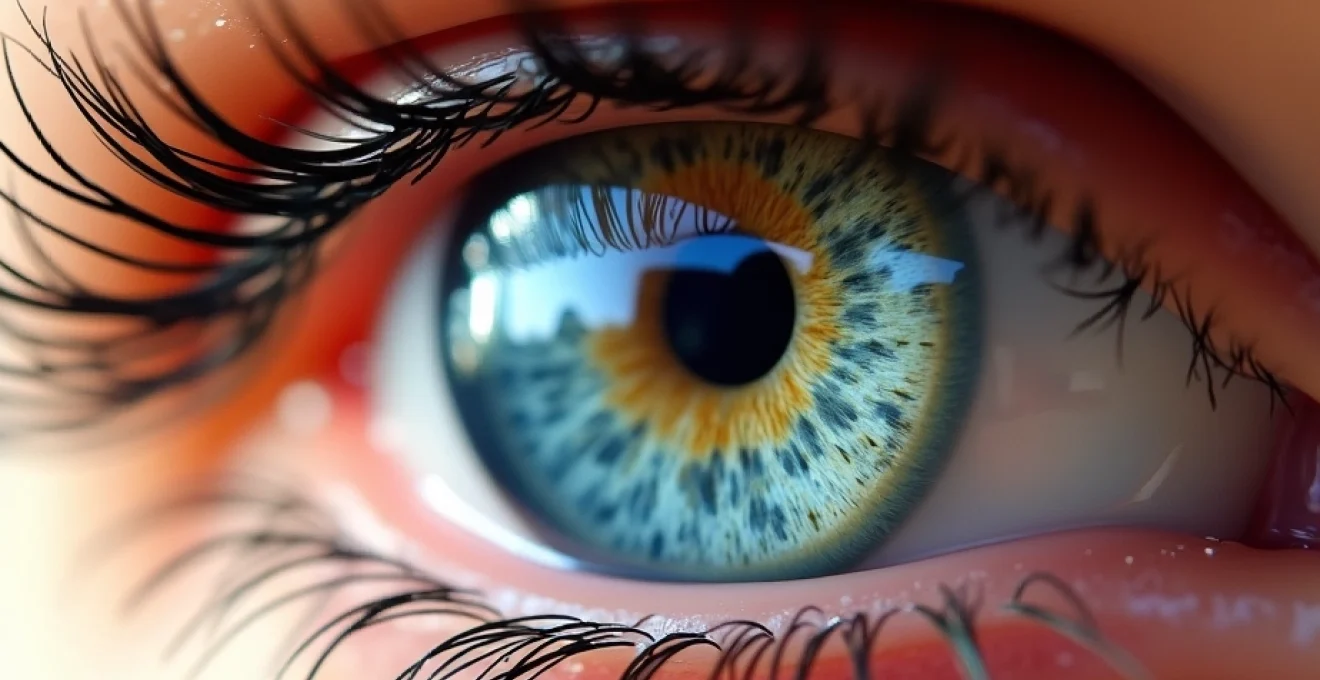
The question of whether LASIK surgery can alter eye colour represents one of the most persistent misconceptions surrounding modern refractive surgery. Millions of individuals worldwide consider laser vision correction procedures each year, yet many harbour concerns about potential changes to their natural eye pigmentation. This concern stems from a fundamental misunderstanding of how LASIK technology operates and which anatomical structures it targets during the correction process.
Eye colour remains one of our most distinctive physical characteristics, determined by complex genetic factors and melanin distribution patterns within the iris. The relationship between corneal reshaping procedures and iris pigmentation involves intricate optical principles that deserve careful examination. Understanding these mechanisms helps separate scientific fact from widespread fiction in discussions about refractive surgery outcomes.
LASIK corneal reshaping mechanisms and iris pigmentation science
Modern LASIK procedures operate through precise corneal tissue modification techniques that fundamentally differ from any intervention affecting iris pigmentation. The cornea and iris represent distinct anatomical structures with separate functions, positioned at different depths within the eye’s complex architecture.
Excimer laser ablation patterns on stromal tissue
Excimer laser technology removes microscopic amounts of corneal stromal tissue through a process called photoablation. This cold laser technique operates at ultraviolet wavelengths, specifically 193 nanometres, creating precise molecular bonds disruption without generating heat. The ablation depth typically ranges from 12 to 160 microns, depending on the refractive error magnitude requiring correction.
The stromal tissue removal follows predetermined mathematical algorithms calculated from wavefront aberrometry measurements and corneal topography mapping. These calculations determine exactly how much tissue requires removal from specific corneal locations to achieve optimal visual outcomes. The process affects only the corneal curvature, leaving deeper ocular structures completely untouched.
Melanin distribution in iris architecture
Iris pigmentation results from melanin concentration and distribution patterns within specialised cells called melanocytes. These pigment-containing cells develop during embryonic growth and remain relatively stable throughout adult life. Brown eyes contain substantial melanin quantities, whilst blue eyes possess minimal melanin, allowing underlying collagen fibres to scatter light and create the characteristic blue appearance.
The iris lies approximately 3 millimetres behind the corneal surface, separated by the anterior chamber filled with aqueous humour. This anatomical distance ensures that corneal laser procedures cannot directly influence melanin distribution or iris cellular architecture. Eye colour determination occurs independently of corneal curvature characteristics modified during LASIK surgery.
Corneal thickness reduction effects on light refraction
Corneal thickness reduction through LASIK procedures alters how light rays enter the eye and focus upon the retina. Central corneal thickness typically measures between 540 and 560 microns before surgery, with LASIK removing variable amounts depending on prescription requirements. Higher myopic corrections require greater tissue removal, potentially reaching 150 microns in extreme cases.
These thickness modifications change the corneal refractive index slightly, affecting how light wavelengths transmit through the altered tissue. However, these changes influence visual clarity rather than colour perception. The iris continues receiving the same spectrum of light wavelengths, maintaining its original pigmentation characteristics and resulting colour appearance.
Post-surgical corneal haze and visual perception changes
Temporary corneal haze development occasionally occurs following refractive surgery, particularly with photorefractive keratectomy procedures. This haze results from abnormal collagen remodelling during the healing process and can subtly affect visual quality during recovery. Some patients report enhanced colour saturation once the haze resolves completely, leading to misconceptions about actual colour changes.
The improved visual clarity achieved through successful refractive correction can make colours appear more vibrant and distinct compared to pre-surgical vision. This enhancement represents improved optical quality rather than actual pigmentation modification. Patients often describe colours as appearing “richer” or “more vivid” following successful surgery outcomes.
Documented cases of apparent eye colour changes following refractive surgery
Clinical literature contains isolated reports of patients claiming eye colour modifications following various refractive procedures. These documented cases require careful analysis to distinguish between genuine pigmentation changes and optical illusions created by improved visual quality.
Wavefront-guided LASIK and enhanced iris contrast reports
Wavefront-guided LASIK procedures utilise sophisticated aberrometry technology to create customised treatment profiles addressing both lower-order and higher-order aberrations. Some patients receiving these advanced treatments report enhanced iris detail visibility and improved colour definition following surgery. These observations likely result from reduced optical aberrations allowing clearer iris structure visualisation rather than actual pigmentation changes.
Enhanced contrast sensitivity frequently accompanies successful wavefront-guided treatments, enabling patients to perceive subtle colour variations previously masked by aberrations. The iris may appear to display more intricate patterns and colour variations, creating an impression of colour change when viewed in mirrors or photographs. This phenomenon represents improved optical quality rather than melanin distribution modification.
PRK surgery outcomes with perceived pigmentation shifts
Photorefractive keratectomy patients occasionally report subtle eye colour shifts during the extended healing period characteristic of surface ablation procedures. The slower visual recovery associated with PRK can create temporary perception changes as corneal epithelium regenerates and stromal remodelling progresses over several months.
These perceived changes often correlate with healing milestones rather than permanent pigmentation modifications. As epithelial smoothness improves and stromal clarity increases, patients may notice enhanced iris detail definition. The gradual nature of PRK recovery allows patients to observe these optical improvements progressively, sometimes attributing them to colour changes rather than clarity enhancement.
SMILE procedure and corneal transparency improvements
Small Incision Lenticule Extraction represents the newest refractive surgery technique, removing corneal tissue through femtosecond laser creation of an intrastromal lenticule. The minimal surface disruption associated with SMILE procedures often results in excellent optical quality outcomes with reduced higher-order aberrations compared to traditional LASIK methods.
Patients undergoing SMILE frequently report exceptional colour perception quality following surgery, describing enhanced vibrancy and contrast sensitivity. The preserved corneal biomechanical integrity and minimal surface irregularities contribute to superior optical clarity, allowing natural iris colours to appear more pronounced and well-defined through improved light transmission.
Clinical documentation from moorfields eye hospital studies
Research conducted at leading ophthalmological institutions has systematically investigated claims of eye colour changes following refractive procedures. Objective colour measurement studies using standardised iris photography and spectrophotometric analysis consistently demonstrate colour stability before and after various laser procedures.
These comprehensive studies utilise controlled lighting conditions and calibrated colour measurement equipment to eliminate subjective perception variables. Results consistently show no significant colour changes attributable to corneal reshaping procedures, supporting the scientific understanding that LASIK cannot alter iris pigmentation characteristics.
Optical illusions created by corneal surface modifications
The relationship between corneal surface quality and apparent iris appearance involves complex optical physics principles that can create compelling visual illusions. Understanding these mechanisms explains why some individuals perceive colour changes following successful refractive surgery outcomes.
Corneal surface irregularities present before surgery can scatter incoming light rays, creating a diffuse illumination effect that obscures fine iris detail. Higher-order aberrations such as coma, trefoil, and spherical aberration further compromise optical quality, reducing the eye’s ability to transmit clear images of the iris to observers. When LASIK successfully eliminates these aberrations, the resulting optical clarity can dramatically enhance iris visibility and apparent colour intensity.
Light scattering reduction represents a crucial factor in post-surgical visual improvements. Pre-operative corneal irregularities cause light rays to deviate from their intended paths, creating internal reflections and reducing overall image contrast. Following successful corneal reshaping, light transmission becomes more efficient and directional, allowing the natural iris colours to appear more vivid and well-defined to both the patient and observers.
The psychological impact of improved vision quality cannot be underestimated in discussions about perceived colour changes. Patients who have struggled with refractive errors for years often experience profound emotional responses to clear vision, heightening their awareness of visual details previously obscured by optical aberrations. This heightened visual awareness can make natural eye colours appear more striking and noticeable, creating subjective impressions of colour enhancement or modification.
Photographic evidence sometimes appears to support colour change claims, but these observations typically result from improved image quality rather than actual pigmentation modifications. Clearer corneal optics allow cameras to capture more accurate representations of natural iris colours, free from the distortion effects caused by uncorrected refractive errors. Enhanced photographic clarity can make eye colours appear more vibrant in post-surgical images compared to pre-operative photographs.
Genuine iris colour alteration procedures vs LASIK surgery
Several experimental procedures aim to achieve permanent iris colour modifications through direct intervention with pigmentation structures. These techniques operate through fundamentally different mechanisms compared to corneal reshaping procedures and carry significantly higher risk profiles.
Laser iris surgery techniques and stroma removal
Experimental laser iris depigmentation procedures target melanin-containing cells within the iris stroma using specialised laser wavelengths. These techniques attempt to selectively destroy melanocytes while preserving surrounding tissue structures, theoretically lightening brown eyes to blue or green through pigment removal.
The complexity of iris architecture makes selective melanocyte targeting extremely challenging without affecting adjacent structures. Current laser iris procedures remain experimental and lack regulatory approval in most countries due to serious safety concerns. Potential complications include increased intraocular pressure, inflammation, irregular pupil shape, and permanent vision impairment.
Unlike LASIK procedures with decades of safety data and predictable outcomes, iris laser treatments carry unpredictable results and significant complication rates. The irreversible nature of melanocyte destruction means unsuccessful treatments cannot be corrected, potentially leaving patients with irregular pigmentation patterns or serious ocular complications.
Keratopigmentation implant procedures
Keratopigmentation represents an emerging technique involving pigment insertion into corneal tissue layers to create artificial eye colour changes. This procedure places coloured pigments within corneal stromal tunnels created using femtosecond laser technology, effectively masking the natural iris colour visible through the cornea.
The procedure differs fundamentally from LASIK surgery by introducing foreign materials into corneal tissue rather than simply reshaping existing structures. Long-term biocompatibility studies remain limited, and potential complications include chronic inflammation, corneal scarring, and unpredictable colour stability over time.
Keratopigmentation procedures require extensive clinical trials to establish safety profiles comparable to established refractive surgery techniques. Current availability remains limited to experimental centres, and regulatory approval varies significantly between countries.
Artificial iris insertion methods
Artificial iris implants represent another experimental approach to eye colour modification, involving surgical insertion of coloured silicone devices into the anterior chamber. These implants overlay the natural iris, creating the appearance of different eye colours while maintaining the original pigmentation underneath.
The invasive nature of iris implant procedures carries substantial risks including glaucoma development, cataract formation, corneal damage, and chronic inflammation. Multiple case reports document serious complications requiring implant removal and additional surgical interventions to preserve vision.
Regulatory authorities in many countries have banned cosmetic iris implants due to unacceptable complication rates and lack of proven safety profiles.
The contrast between iris implant risks and LASIK safety profiles highlights the importance of distinguishing between established refractive procedures and experimental cosmetic interventions. LASIK procedures benefit from decades of clinical experience and continuous safety monitoring, whilst iris modification techniques remain largely unproven and potentially dangerous.
Post-lasik visual enhancement effects on eye appearance
The dramatic visual improvements achieved through successful LASIK procedures can significantly enhance overall eye appearance through mechanisms unrelated to pigmentation changes. These enhancement effects often contribute to patient satisfaction and may explain reported improvements in eye attractiveness following surgery.
Elimination of glasses dependency removes physical barriers that can obscure eye visibility and natural colour appreciation. Glasses create reflections, magnification effects, and visual distortions that interfere with normal eye appearance. Following LASIK surgery, observers can appreciate natural eye colours and expressions without these optical interferences, creating an impression of enhanced eye beauty and colour intensity.
Reduced squinting behaviour represents another significant factor in improved eye appearance following refractive correction. Patients with uncorrected vision often unconsciously squint to improve visual clarity through pinhole effects, creating eyelid tension and reducing eye opening width. Clear post-surgical vision eliminates squinting necessity, allowing full eye opening and enhanced iris visibility.
Contact lens discontinuation following successful LASIK provides additional benefits for eye appearance enhancement. Daily contact lens wear can cause subtle eye redness, dryness, and irritation that affects overall ocular aesthetics. Freedom from contact lenses allows natural eye moisture and whiteness to return, creating a brighter, more attractive eye appearance that makes natural colours appear more vibrant.
The psychological confidence boost associated with clear vision often translates into improved facial expressions and eye contact behaviour. Patients frequently report feeling more confident in social situations, leading to increased eye contact and more engaging facial expressions. Enhanced confidence can make natural eye colours appear more striking and memorable to observers, contributing to impressions of eye colour improvement.
Lighting perception improvements following successful refractive correction can also influence eye appearance under various illumination conditions. Clearer vision allows patients to better appreciate how different lighting affects their eye colour appearance, potentially discovering colour variations they previously could not perceive clearly. This enhanced colour awareness can lead to improved makeup choices and fashion decisions that complement natural eye colours more effectively.
Clinical evidence from leading refractive surgery centres worldwide
Comprehensive clinical studies conducted at premier ophthalmological institutions worldwide consistently demonstrate the absence of pigmentation changes following LASIK procedures. These studies employ rigorous scientific methodologies to eliminate subjective bias and provide objective evidence regarding eye colour stability.
Moorfields Eye Hospital research programmes have utilised advanced iris photography techniques combined with spectrophotometric analysis to quantify eye colour characteristics before and after various refractive procedures. Studies involving thousands of patients demonstrate no statistically significant colour changes attributable to corneal reshaping techniques. Long-term follow-up data extending over decades confirms colour stability regardless of procedure type or refractive correction magnitude.
The Bascom Palmer Eye Institute has contributed extensive safety data regarding LASIK procedures and potential ocular complications. Their comprehensive complication databases contain no documented cases of permanent eye colour changes resulting from corneal laser procedures. This absence of colour change reports across hundreds of thousands of documented procedures provides strong evidence supporting colour stability claims.
International refractive surgery registries maintained by organisations such as the International Society of Refractive Surgery collect standardised outcome data from centres worldwide. Analysis of these extensive databases reveals no patterns of eye colour modification associated with any corneal reshaping procedure, reinforcing the scientific consensus regarding pigmentation stability.
Leading ophthalmologists worldwide unanimously agree that properly performed LASIK procedures cannot alter natural iris pigmentation characteristics.
European refractive surgery centres have implemented sophisticated outcome monitoring systems that track both objective and subjective patient responses following various laser procedures. These monitoring systems specifically investigate patient reports of colour changes, consistently finding that perceived modifications result from improved visual quality rather than actual pigmentation alterations. Patient education programmes addressing these misconceptions have significantly reduced colour change concerns and improved overall satisfaction rates.
Advanced imaging technologies now available at leading research institutions allow unprecedented detail in iris structure analysis. High-resolution anterior segment optical coherence tomography and confocal microscopy techniques can detect microscopic tissue changes that would be invisible through traditional examination methods. Studies utilising these advanced imaging modalities confirm the complete absence of iris structural modifications following corneal laser procedures, providing definitive evidence that LASIK cannot influence eye colour determination mechanisms.