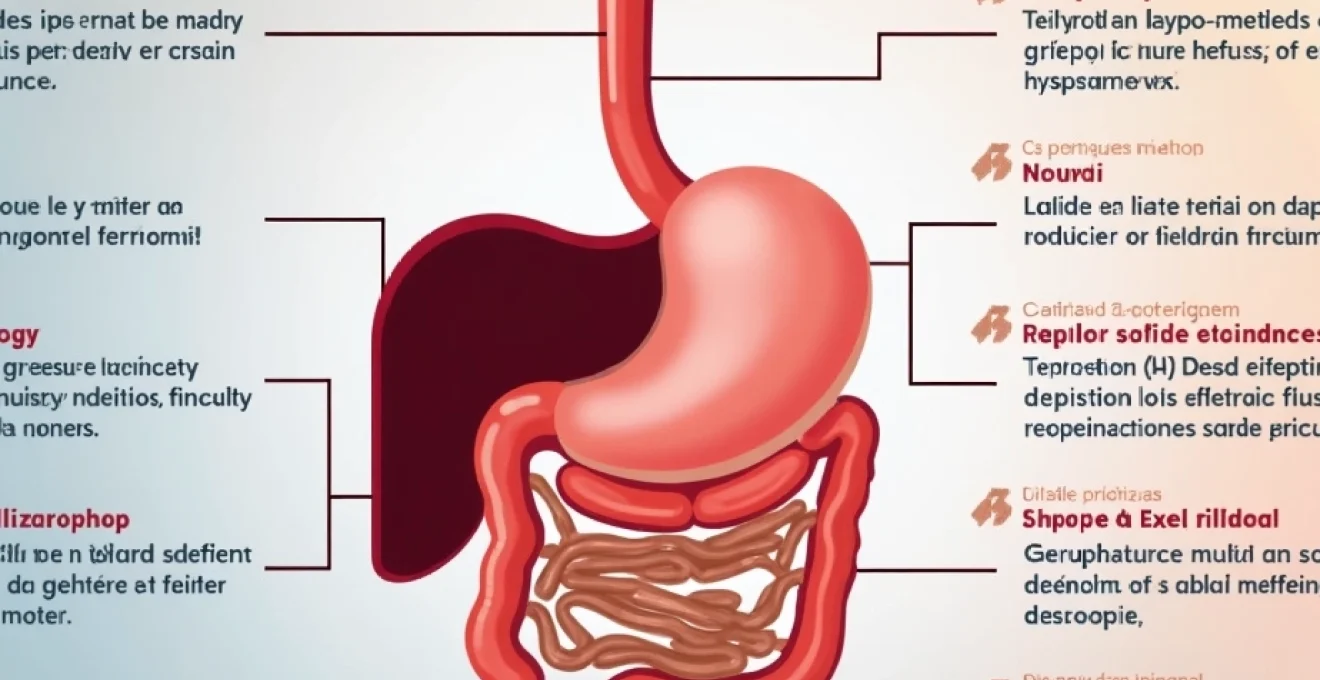
The intricate relationship between thyroid function and gastrointestinal health has gained significant attention in recent medical research, particularly concerning acid reflux symptoms. Hypothyroidism, affecting approximately 5% of the population, extends its influence far beyond metabolic regulation, impacting virtually every organ system including the digestive tract. When thyroid hormone production diminishes, the resulting physiological changes can create a cascade of effects that directly contribute to gastroesophageal reflux disease (GERD) and related symptoms. Understanding this connection proves crucial for both healthcare practitioners and patients experiencing unexplained acid reflux, as thyroid dysfunction may be an underlying factor requiring specific therapeutic intervention.
Thyroid hormone physiology and gastrointestinal motility mechanisms
The relationship between thyroid hormones and gastrointestinal function operates through complex physiological pathways that regulate digestive processes throughout the entire alimentary tract. Thyroid hormones serve as fundamental regulators of cellular metabolism, influencing protein synthesis, enzyme production, and smooth muscle contractility within the digestive system. This regulatory role becomes particularly evident when examining how thyroid hormone deficiency affects the coordinated muscular contractions responsible for moving food through the digestive tract.
Thyroid hormones influence gastrointestinal motility by modulating the expression of specific proteins involved in smooth muscle contraction and relaxation cycles. The reduction in thyroid hormone availability leads to decreased synthesis of myosin heavy chain proteins, which are essential components of the contractile apparatus in smooth muscle cells. Consequently, the rhythmic contractions that normally propel food through the oesophagus, stomach, and intestines become weakened and less coordinated, creating conditions conducive to reflux episodes.
Triiodothyronine (T3) and thyroxine (T4) impact on gastric smooth muscle contractility
Triiodothyronine, the active form of thyroid hormone, directly influences gastric smooth muscle function through genomic and non-genomic pathways. T3 binds to nuclear receptors within gastric smooth muscle cells, initiating transcription of genes responsible for producing contractile proteins and enzymes involved in calcium handling. When T3 levels decline, as occurs in hypothyroidism, the expression of these crucial proteins diminishes, resulting in weakened gastric contractions and delayed stomach emptying. This reduction in contractile force creates a scenario where gastric contents remain in the stomach longer than normal, increasing intragastric pressure and the likelihood of reflux episodes.
The conversion of T4 to T3 within gastric tissues also plays a vital role in maintaining proper digestive function. Local tissue deiodinase enzymes facilitate this conversion, but their activity can be impaired in hypothyroid states. Research demonstrates that gastric smooth muscle cells possess specific thyroid hormone receptors that respond to local T3 concentrations, suggesting that both systemic and local thyroid hormone availability affects gastric motility patterns.
Hypothyroidism-induced gastroparesis and delayed gastric emptying pathophysiology
Gastroparesis represents one of the most significant gastrointestinal complications associated with hypothyroidism, characterising a condition where the stomach’s ability to empty its contents becomes severely compromised. This delayed gastric emptying occurs due to impaired coordination between different regions of the stomach, particularly affecting the antral contractions responsible for grinding food particles and propelling them toward the duodenum. Hypothyroid patients frequently experience gastroparesis , which creates ideal conditions for gastroesophageal reflux by maintaining elevated intragastric pressure and prolonging acid exposure to gastric contents.
The pathophysiology of hypothyroid gastroparesis involves multiple mechanisms, including altered interstitial cell function, reduced vagal nerve responsiveness, and impaired hormonal signalling pathways. Interstitial cells of Cajal, which serve as the pacemaker cells for gastric contractions, become less responsive to normal stimulatory signals when thyroid hormone levels are insufficient. This cellular dysfunction disrupts the normal migrating motor complex, the pattern of contractions that clears the stomach during fasting periods, leading to food stasis and increased reflux risk.
Thyroid-stimulating hormone (TSH) elevation effects on vagal nerve function
Elevated TSH levels, a hallmark of primary hypothyroidism, may directly influence vagal nerve function and subsequently affect gastrointestinal motility. The vagus nerve plays a crucial role in coordinating digestive processes, including gastric acid secretion, stomach emptying, and lower oesophageal sphincter function. Research suggests that chronic TSH elevation can alter vagal tone and responsiveness, contributing to the gastrointestinal symptoms commonly observed in hypothyroid patients.
When TSH levels remain consistently elevated, as occurs in untreated or inadequately treated hypothyroidism, the compensatory mechanisms attempting to stimulate thyroid hormone production may inadvertently affect other neuroendocrine pathways. This cross-reactivity can influence the hypothalamic-pituitary-gastric axis, altering normal digestive hormone release patterns and compromising the coordination between central nervous system control and local gastrointestinal function.
Myxoedema-associated gastrointestinal dysmotility syndrome
Severe hypothyroidism, particularly myxoedema, can produce a comprehensive gastrointestinal dysmotility syndrome affecting multiple segments of the digestive tract simultaneously. This condition represents the extreme end of the spectrum of thyroid-related digestive dysfunction, where profound thyroid hormone deficiency creates widespread impairment of smooth muscle function throughout the alimentary canal. Patients with myxoedema-associated dysmotility typically present with constipation, delayed gastric emptying, and increased susceptibility to gastroesophageal reflux.
The syndrome involves complex alterations in smooth muscle metabolism, including reduced ATP production, impaired calcium handling, and decreased responsiveness to normal stimulatory signals. These cellular changes translate into clinically significant symptoms, with patients experiencing severe reflux symptoms that may not respond adequately to conventional acid-suppressing medications without concurrent thyroid hormone replacement therapy.
Lower oesophageal sphincter dysfunction in primary hypothyroidism
The lower oesophageal sphincter (LOS) represents a critical anatomical and physiological barrier preventing gastric contents from refluxing into the oesophagus. In hypothyroid patients, LOS function becomes significantly compromised through multiple mechanisms involving both structural and functional alterations. The sphincter’s ability to maintain adequate resting pressure and respond appropriately to physiological stimuli depends heavily on optimal thyroid hormone availability, making it particularly vulnerable to the effects of thyroid hormone deficiency.
Hypothyroidism affects LOS function through direct effects on smooth muscle metabolism and indirect effects mediated through altered neural control mechanisms. The reduced availability of thyroid hormones impairs the synthesis of contractile proteins within LOS smooth muscle cells, leading to decreased resting tone and compromised sphincter competence. Additionally, hypothyroid patients often demonstrate altered oesophageal motility patterns that further compromise the functional integrity of the gastroesophageal junction, creating conditions conducive to reflux episodes even with relatively modest increases in intragastric pressure.
Reduced LOS pressure measurements in subclinical hypothyroidism patients
Even mild thyroid hormone deficiency, characterised by elevated TSH levels with normal T3 and T4 concentrations (subclinical hypothyroidism), can produce measurable reductions in LOS pressure. Manometric studies have demonstrated that patients with subclinical hypothyroidism exhibit statistically significant decreases in both resting LOS pressure and the pressure response to various physiological stimuli compared to euthyroid controls. These pressure reductions occur before the development of clinically apparent hypothyroid symptoms, suggesting that gastrointestinal manifestations may represent early indicators of thyroid dysfunction.
The clinical significance of reduced LOS pressure in subclinical hypothyroidism extends beyond simple pressure measurements, as these patients also demonstrate increased frequency of transient lower oesophageal sphincter relaxations and prolonged acid clearance times. Research indicates that LOS pressure improvements following levothyroxine therapy correlate directly with TSH normalisation, supporting the causal relationship between thyroid function and sphincter competence.
Oesophageal manometry findings in hashimoto’s thyroiditis cases
Patients with Hashimoto’s thyroiditis, the most common cause of hypothyroidism, frequently demonstrate distinctive oesophageal manometry patterns that reflect the underlying autoimmune thyroid dysfunction. These patients typically exhibit reduced amplitude of oesophageal contractions, prolonged contraction duration, and impaired coordination between oesophageal body contractions and LOS relaxation. The autoimmune nature of Hashimoto’s thyroiditis may contribute to additional complications through potential cross-reactivity with oesophageal tissues or through the systemic inflammatory effects associated with chronic autoimmune conditions.
Manometric abnormalities in Hashimoto’s patients often correlate with antibody titres and the degree of thyroid gland destruction, suggesting that both the autoimmune process and the resulting thyroid hormone deficiency contribute to oesophageal dysfunction. Some patients demonstrate improvement in manometric parameters following thyroid hormone replacement therapy, while others require additional interventions to address persistent motility abnormalities.
Transient lower oesophageal sphincter relaxations (TLESRs) frequency analysis
Transient lower oesophageal sphincter relaxations represent the primary mechanism through which gastric contents reflux into the oesophagus in healthy individuals, but their frequency and characteristics become altered in hypothyroid patients. Studies utilising prolonged pH and pressure monitoring have revealed that hypothyroid individuals experience more frequent TLESRs, particularly during postprandial periods when gastric distension is most pronounced due to delayed emptying. This increased TLESR frequency combines with reduced baseline LOS pressure to create a particularly vulnerable situation for reflux development.
The mechanisms underlying increased TLESR frequency in hypothyroidism appear to involve altered vagal responsiveness and changes in gastric mechanoreceptor sensitivity. Delayed gastric emptying associated with hypothyroidism maintains gastric distension for prolonged periods, providing continued stimulation for TLESR triggering through mechanoreceptor pathways. Additionally, the altered hormonal milieu characteristic of hypothyroidism may directly influence the neural circuits responsible for TLESR initiation.
Hiatal hernia prevalence in myxoedema coma survivors
Patients who have experienced myxoedema coma, the most severe manifestation of hypothyroidism, demonstrate an unusually high prevalence of hiatal hernia in follow-up evaluations. This association may result from the profound muscle weakness and connective tissue changes that occur during severe hypothyroid states, potentially compromising the structural integrity of the diaphragmatic hiatus. The combination of hiatal hernia with the functional abnormalities of hypothyroidism creates a particularly challenging clinical scenario requiring comprehensive management approaches.
Long-term follow-up studies of myxoedema coma survivors reveal that many patients continue to experience gastroesophageal reflux symptoms even after achieving biochemical euthyroidism, suggesting that structural changes acquired during the severe hypothyroid episode may have lasting effects on anti-reflux mechanisms. These findings emphasise the importance of early recognition and treatment of hypothyroidism to prevent irreversible structural complications.
Gastric acid secretion alterations in thyroid hormone deficiency
The relationship between thyroid function and gastric acid secretion presents a complex picture involving both direct effects on parietal cell function and indirect effects mediated through altered neural and hormonal control mechanisms. Hypothyroidism typically results in reduced gastric acid secretion, which might initially seem protective against acid-related symptoms. However, this reduction in acid production contributes to delayed gastric emptying and altered gastric pH patterns that can paradoxically increase reflux risk through different mechanisms than those typically associated with acid-peptic disorders.
Thyroid hormones influence gastric acid secretion through multiple pathways, including direct effects on parietal cell metabolism and indirect effects through altered histamine, gastrin, and acetylcholine responsiveness. Parietal cells possess thyroid hormone receptors and require optimal T3 availability for normal proton pump function and acid secretory capacity. When thyroid hormone levels decline, parietal cells demonstrate reduced responsiveness to stimulatory signals and decreased capacity for acid production, leading to hypochlorhydria or, in severe cases, achlorhydria.
The clinical implications of reduced gastric acid secretion in hypothyroidism extend beyond simple acid-related considerations. Gastric acid serves crucial functions in protein digestion, mineral absorption, and maintenance of normal gastric motility patterns through pH-dependent mechanisms. When acid production becomes insufficient, these functions become compromised, contributing to the development of bacterial overgrowth, malabsorption syndromes, and altered gastric emptying patterns that increase reflux susceptibility.
The reduction in gastric acid secretion associated with hypothyroidism creates a unique clinical situation where patients may experience reflux symptoms despite having lower than normal acid production levels.
This paradoxical situation occurs because the delayed gastric emptying associated with hypothyroidism maintains gastric contents in contact with the oesophageal mucosa for extended periods, even when the acid concentration is reduced. Additionally, the altered pH environment in the hypothyroid stomach may promote bacterial fermentation and gas production, increasing intragastric pressure and enhancing the driving force for reflux episodes.
The diagnosis and management of acid-related symptoms in hypothyroid patients requires careful consideration of these altered gastric physiology patterns. Standard approaches to measuring gastric acid production may yield misleadingly low results, while conventional acid-suppressing therapies may provide limited benefit and could potentially exacerbate underlying motility problems. Understanding these unique characteristics proves essential for developing effective treatment strategies that address both the thyroid dysfunction and its gastrointestinal manifestations.
Clinical evidence from levothyroxine replacement therapy studies
Extensive clinical research has documented the beneficial effects of appropriate thyroid hormone replacement therapy on gastroesophageal reflux symptoms in hypothyroid patients. Multiple prospective studies have demonstrated significant improvements in reflux frequency, symptom severity, and objective measures of oesophageal function following initiation of levothyroxine therapy. These improvements typically occur gradually over several months, reflecting the time required for thyroid hormone-dependent cellular changes to reverse and normal physiological function to restore.
One landmark study involving 127 hypothyroid patients with concurrent GERD symptoms found that 78% experienced substantial improvement in reflux symptoms within six months of achieving biochemical euthyroidism with levothyroxine therapy. Objective measurements using 24-hour pH monitoring revealed significant reductions in acid exposure time, decreased frequency of reflux episodes, and improved acid clearance mechanisms. Importantly, these improvements occurred independent of any changes in acid-suppressing medication regimens, supporting the causal relationship between thyroid dysfunction and reflux symptoms.
The response to thyroid hormone replacement therapy appears to correlate with several factors, including the severity of initial hypothyroidism, the presence of concurrent autoimmune conditions, and the adequacy of hormone replacement as measured by TSH suppression and free T4 levels. Patients with severe hypothyroidism typically require longer treatment periods to achieve maximal improvement in gastrointestinal symptoms, sometimes extending beyond twelve months of therapy. This delayed response pattern suggests that structural changes within the digestive system may require extended periods to reverse completely.
Clinical studies consistently demonstrate that achieving and maintaining biochemical euthyroidism through appropriate thyroid hormone replacement therapy represents the most effective intervention for thyroid-related gastroesophageal reflux symptoms.
However, some patients continue to experience residual reflux symptoms even after achieving optimal thyroid hormone replacement, indicating that irreversible changes may have occurred during the hypothyroid period or that additional factors contribute to their symptoms. These cases often require multimodal treatment approaches combining thyroid hormone replacement with conventional anti-reflux therapies and lifestyle modifications.
The timing and approach to thyroid hormone replacement in patients with concurrent GERD requires careful consideration, as rapid correction of severe hypothyroidism can occasionally precipitate temporary worsening of gastrointestinal symptoms. This phenomenon appears to result from the restoration of gastric acid secretion before complete recovery of protective mechanisms such as gastric emptying and LOS function. Consequently, many clinicians advocate for gradual dose escalation protocols when treating severely hypothyroid patients with prominent gastrointestinal symptoms.
Differential diagnosis: hypothyroid GORD versus idiopathic gastroesophageal reflux
Distinguishing between thyroid-related gastroesophageal reflux and idiopathic GERD presents significant clinical challenges, as both conditions can produce similar symptom profiles an
d diagnostic testing procedures. Both conditions frequently manifest with heartburn, regurgitation, chest discomfort, and nocturnal symptoms, making symptom-based differentiation unreliable for clinical decision-making. However, several key distinguishing features can guide clinicians toward the correct diagnosis and appropriate treatment approach.
Thyroid-related GERD typically presents with concurrent systemic hypothyroid symptoms, including fatigue, weight gain, cold intolerance, constipation, and cognitive impairment. These accompanying manifestations provide important diagnostic clues that suggest thyroid dysfunction as the underlying cause of reflux symptoms. Additionally, thyroid-related reflux often demonstrates unique temporal patterns, with symptoms frequently worsening during periods of increased metabolic demand or stress when thyroid hormone requirements exceed available reserves.
The response to conventional acid-suppressing therapy represents another important distinguishing characteristic between these conditions. Patients with idiopathic GERD typically demonstrate prompt symptomatic improvement following proton pump inhibitor therapy, while those with thyroid-related reflux often experience partial or inadequate symptom relief despite appropriate acid suppression. This differential treatment response occurs because thyroid-related reflux primarily results from motility disorders rather than excess acid production, making acid suppression alone insufficient for complete symptom resolution.
Patients with thyroid-related gastroesophageal reflux frequently report that their symptoms began coinciding with other hypothyroid manifestations and show limited response to conventional acid-reducing medications.
Laboratory evaluation plays a crucial role in establishing the correct diagnosis, with thyroid function testing representing an essential component of the diagnostic workup for any patient presenting with new-onset or refractory GERD symptoms. The presence of elevated TSH levels, reduced free T4 concentrations, or positive thyroid antibodies strongly suggests thyroid dysfunction as a contributing factor. However, subclinical hypothyroidism can present diagnostic challenges, as TSH elevations may be modest and T3/T4 levels remain within normal ranges despite functional thyroid hormone deficiency.
Therapeutic management protocols for thyroid-related acid reflux symptoms
The optimal management of acid reflux symptoms associated with thyroid dysfunction requires a comprehensive approach that addresses both the underlying thyroid abnormalities and the resultant gastrointestinal manifestations. Successful treatment protocols typically involve carefully coordinated thyroid hormone replacement therapy, targeted symptomatic interventions, and ongoing monitoring to ensure therapeutic efficacy. The complexity of managing these interconnected conditions necessitates close collaboration between endocrinologists, gastroenterologists, and primary care physicians to achieve optimal patient outcomes.
Thyroid hormone replacement therapy forms the cornerstone of treatment for thyroid-related acid reflux, with levothyroxine representing the preferred therapeutic agent for most patients. The initial dosing strategy should consider the severity of hypothyroidism, patient age, cardiovascular status, and the presence of concurrent medical conditions. Gradual dose escalation protocols prove particularly important for patients with severe hypothyroidism or significant cardiovascular comorbidities, as rapid thyroid hormone correction can precipitate cardiac arrhythmias or anginal symptoms.
The target for thyroid hormone replacement therapy should aim for TSH suppression into the lower half of the normal reference range, with free T4 levels maintained in the upper third of normal values. This approach ensures adequate tissue thyroid hormone availability for restoration of normal gastrointestinal function while avoiding the risks associated with thyrotoxic states. Regular monitoring every 6-8 weeks during the initial treatment phase allows for appropriate dose adjustments and assessment of symptomatic improvement.
Effective management of thyroid-related acid reflux requires patience, as gastrointestinal symptom improvement typically lags behind biochemical thyroid function normalization by several months.
Concurrent symptomatic management during the thyroid hormone replacement optimization period often proves necessary to provide adequate symptom relief and prevent complications. Prokinetic agents such as metoclopramide or domperidone can help improve gastric emptying and reduce reflux episodes, though their use requires careful monitoring for potential side effects. Low-dose proton pump inhibitors may provide symptomatic relief during the initial treatment phase, particularly for patients with severe reflux symptoms, but should be tapered as thyroid function improves to avoid long-term complications associated with acid suppression.
Dietary modifications represent an important adjunctive treatment component, with recommendations including smaller, more frequent meals to reduce gastric distension, avoidance of late evening meals to minimize nocturnal reflux episodes, and elimination of specific trigger foods that may exacerbate symptoms. The delayed gastric emptying characteristic of hypothyroidism makes dietary fat restriction particularly beneficial, as high-fat meals further delay stomach emptying and increase reflux risk. Additionally, maintaining adequate hydration and avoiding carbonated beverages can help reduce intragastric pressure and minimize reflux episodes.
Lifestyle interventions complement medical therapy by addressing modifiable risk factors that contribute to reflux symptoms. Weight management becomes particularly important for hypothyroid patients, who often experience significant weight gain that can worsen reflux through increased intra-abdominal pressure. Elevating the head of the bed, avoiding tight-fitting clothing, and implementing stress reduction techniques can provide additional symptomatic benefits. Regular exercise, as tolerated based on cardiovascular status and energy levels, helps promote gastric emptying and overall digestive health.
Monitoring therapeutic response requires assessment of both biochemical thyroid parameters and clinical symptom improvement. Patients should maintain symptom diaries to track reflux frequency, severity, and potential triggers, allowing for objective assessment of treatment efficacy. Follow-up evaluations should include repeat thyroid function testing, symptom assessment, and monitoring for potential treatment-related adverse effects. Most patients demonstrate significant symptom improvement within 3-6 months of achieving biochemical euthyroidism, though complete symptom resolution may require up to 12 months in severe cases.
For patients who fail to achieve adequate symptom control despite optimal thyroid hormone replacement, additional diagnostic evaluation may be warranted to exclude concurrent conditions or complications. Upper endoscopy can identify structural abnormalities such as hiatal hernia, esophagitis, or Barrett’s esophagus that may require specific interventions. Esophageal manometry and 24-hour pH monitoring provide objective assessment of esophageal function and can guide decisions regarding additional therapeutic interventions.
Long-term management considerations include ongoing thyroid function monitoring to maintain optimal hormone replacement, periodic reassessment of reflux symptoms, and surveillance for potential complications of chronic reflux. Patients with a history of severe hypothyroidism may require lifelong monitoring for structural changes in the upper gastrointestinal tract, including endoscopic surveillance for Barrett’s esophagus in appropriate candidates. The success of therapeutic interventions depends heavily on patient adherence to medication regimens, lifestyle modifications, and regular follow-up care, emphasizing the importance of comprehensive patient education regarding the relationship between thyroid function and gastrointestinal health.