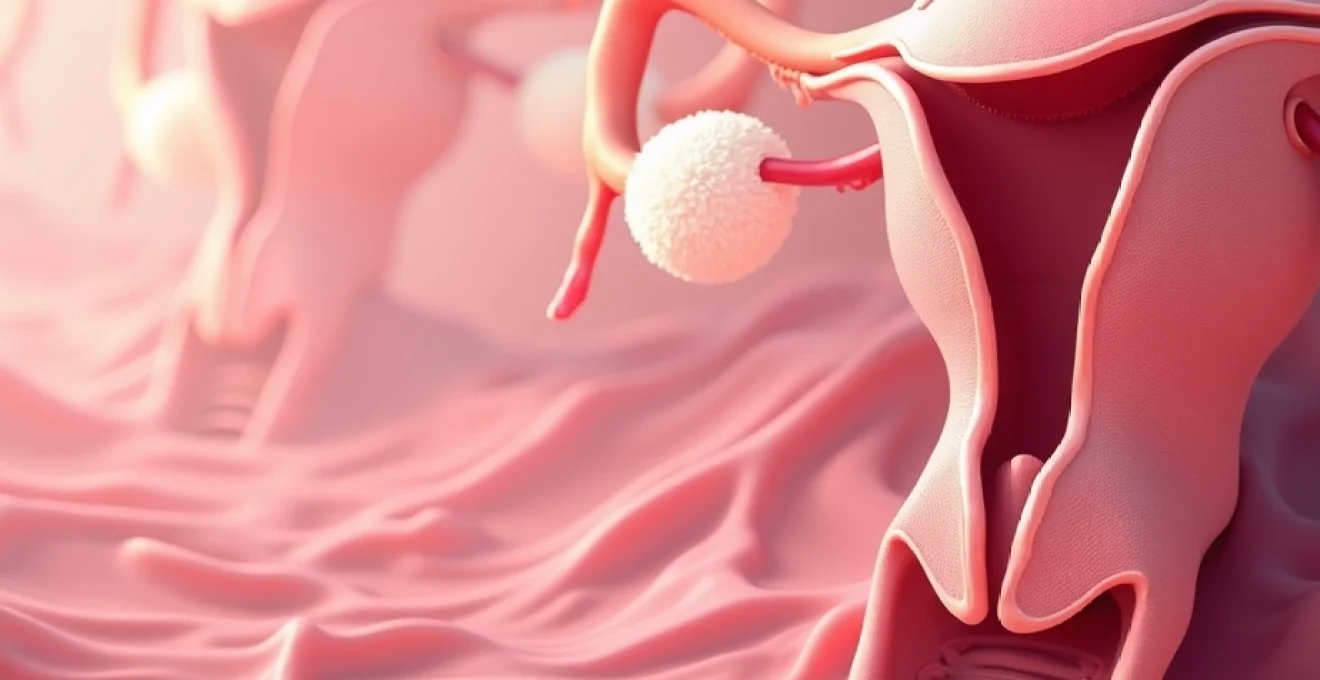
Loop electrosurgical excision procedure (LEEP) represents one of the most significant advances in cervical cancer prevention, offering women a minimally invasive treatment option for precancerous cervical lesions. This outpatient procedure utilises a thin wire loop heated by electrical current to remove abnormal cells from the cervix, effectively preventing the progression to invasive cervical cancer. Understanding the long-term implications and cancer risk following LEEP is crucial for both healthcare providers and patients navigating post-treatment care.
The effectiveness of LEEP in preventing cervical cancer development has been well-documented, with cure rates ranging from 73% to 99% for cervical intraepithelial neoplasia (CIN). However, questions often arise about residual cancer risk and the possibility of recurrent precancerous lesions following treatment. This comprehensive analysis examines the multifaceted aspects of cervical cancer risk stratification, long-term oncological outcomes, and surveillance protocols that define the post-LEEP landscape for women worldwide.
LEEP procedure impact on cervical cancer risk stratification
The loop electrosurgical excision procedure fundamentally alters cervical cancer risk by removing the transformation zone where most cervical cancers develop. This surgical intervention targets the area where squamous and glandular cells meet, eliminating precancerous lesions before they can progress to invasive carcinoma. Risk stratification following LEEP depends on multiple factors, including the completeness of excision, presence of positive margins, and persistent human papillomavirus (HPV) infection.
Risk assessment models have evolved to incorporate post-LEEP pathological findings, with particular attention to margin status and the grade of removed lesions. Patients with clear margins demonstrate significantly lower recurrence rates compared to those with positive margins, where residual abnormal cells may remain at the excision site. Contemporary risk stratification protocols now integrate HPV testing results with cytological findings to provide more accurate long-term cancer risk predictions.
Histopathological changes in cervical epithelium Post-LEEP
Following LEEP, the cervical epithelium undergoes a complex healing process characterised by regeneration and re-epithelialisation. The removed tissue is replaced by new squamous epithelium, typically within 6-8 weeks post-procedure. This regenerative process can occasionally complicate histopathological interpretation, as healing changes may mimic abnormal cellular patterns in subsequent screening tests.
The quality of epithelial regeneration directly influences future cancer risk. Optimal healing patterns result in the formation of mature, differentiated squamous epithelium with minimal architectural distortion. However, suboptimal healing may create areas of immature metaplasia that could potentially harbour residual HPV infection or provide a substrate for future neoplastic transformation.
HPV viral load dynamics following loop electrosurgical excision
HPV clearance patterns following LEEP serve as critical predictors of treatment success and future cancer risk. Studies demonstrate that approximately 70-90% of patients achieve HPV clearance within 12-24 months post-procedure. The persistence of high-risk HPV types, particularly HPV 16 and 18, significantly increases the likelihood of recurrent precancerous lesions and potential cancer development.
Viral load monitoring has revealed that patients with lower pre-treatment viral loads experience more favourable clearance rates following LEEP. Immunocompromised patients demonstrate prolonged viral persistence, necessitating more intensive surveillance protocols. The integration of HPV genotyping into post-LEEP management has enhanced risk prediction accuracy and enabled personalised follow-up strategies.
Cervical intraepithelial neoplasia recurrence patterns after LEEP
CIN recurrence following LEEP occurs in approximately 5-15% of patients, with most recurrences manifesting within the first five years post-treatment. Recurrence patterns vary significantly based on patient age, immune status, HPV persistence, and the completeness of initial excision. High-grade recurrences (CIN 2-3) pose the greatest concern due to their potential for progression to invasive cancer.
Temporal analysis of recurrence data reveals that early recurrences (within 24 months) often represent residual disease rather than true recurrence, whilst late recurrences may indicate new HPV infections or reactivation of latent viral reservoirs. Predictive modelling has identified specific risk factors that stratify patients into low, intermediate, and high-risk categories for CIN recurrence, enabling tailored surveillance approaches.
Transformation zone anatomy modifications Post-Excision
LEEP procedures inevitably alter the normal anatomy of the cervical transformation zone, potentially affecting the visibility and accessibility of the squamocolumnar junction during future colposcopic examinations. The extent of anatomical modification depends on the size and depth of the excised specimen, with larger excisions more likely to result in significant structural changes.
Post-excision anatomical changes can create challenges for subsequent screening and surveillance procedures. The formation of scar tissue may obscure areas of potential concern, whilst alterations in cervical canal architecture can complicate endocervical sampling during follow-up examinations. Advanced colposcopic techniques and imaging modalities have been developed to address these challenges and maintain effective surveillance capabilities.
Long-term oncological outcomes following loop electrosurgical excision procedure
Long-term studies tracking patients for decades following LEEP have provided invaluable insights into cancer prevention efficacy and overall survival outcomes. These comprehensive analyses demonstrate that LEEP significantly reduces cervical cancer incidence compared to untreated controls, with risk reductions exceeding 95% in appropriately selected patients. However, the procedure does not completely eliminate cancer risk, necessitating continued vigilance and appropriate surveillance measures.
Population-based studies have revealed that women undergoing LEEP maintain excellent long-term oncological outcomes, with cervical cancer rates remaining substantially below those observed in age-matched controls. The most significant risk period occurs within the first five years post-procedure, after which cancer risk approaches that of the general population. Quality of life assessments consistently demonstrate minimal long-term impact on physical and psychological wellbeing following LEEP treatment.
Invasive cervical carcinoma incidence rates in Post-LEEP populations
Invasive cervical carcinoma develops in approximately 0.2-0.8% of patients following LEEP, representing a dramatic reduction compared to the natural history of untreated high-grade CIN. These cancers typically manifest within the first decade post-treatment, with the majority occurring in patients with identifiable risk factors such as positive margins or persistent HPV infection.
Cancer incidence rates vary significantly based on patient demographics and treatment factors. Younger patients demonstrate lower cancer rates, likely reflecting more robust immune responses and better treatment compliance. Immunocompromised populations experience elevated cancer rates, emphasising the importance of enhanced surveillance in these high-risk groups. Geographic and socioeconomic factors also influence cancer incidence, with disparities reflecting differences in access to follow-up care and screening services.
Adenocarcinoma versus squamous cell carcinoma development risk
The histological distribution of post-LEEP cervical cancers differs from that observed in the general population, with a relatively higher proportion of adenocarcinomas compared to squamous cell carcinomas. This shift likely reflects the preferential targeting of squamous lesions by LEEP procedures and the anatomical distribution of glandular neoplasia within the endocervical canal.
Adenocarcinoma development following LEEP presents unique challenges due to the often occult nature of glandular precursor lesions and their tendency to develop higher within the cervical canal. Cytological detection of glandular abnormalities remains more challenging than squamous lesion identification, potentially contributing to delayed diagnosis. Advances in molecular biomarkers and imaging techniques have improved early detection capabilities for post-LEEP glandular neoplasia.
Metachronous lesion formation in residual cervical tissue
Metachronous lesions represent new neoplastic developments in cervical tissue remote from the original LEEP site, typically occurring months to years following the initial procedure. These lesions may develop from residual HPV infection, new viral exposure, or reactivation of latent infections in previously unaffected cervical areas.
The temporal distribution of metachronous lesions follows a bimodal pattern, with early lesions (within two years) likely representing missed synchronous disease and later lesions reflecting true new developments. Risk factor analysis has identified continued smoking, multiple sexual partners, and immunosuppression as significant predictors of metachronous lesion formation. Molecular studies suggest that genetic susceptibility may also influence the likelihood of developing new cervical neoplasia following LEEP.
Overall survival rates compared to Non-LEEP cohorts
Comparative survival analyses demonstrate that women undergoing LEEP for high-grade CIN experience survival rates equivalent to or better than age-matched controls without cervical abnormalities. This finding reflects both the effectiveness of LEEP in preventing cancer development and the potential benefits of enhanced medical surveillance in post-LEEP populations.
Long-term mortality data reveal that cervical cancer-related deaths are exceedingly rare in appropriately treated LEEP patients, with most cancer-related mortality occurring in patients with inadequate follow-up or treatment non-compliance. All-cause mortality in post-LEEP populations mirrors that of the general population, providing reassurance about the long-term safety and effectiveness of this preventive intervention.
Surveillance cytology and colposcopy protocols after LEEP
Post-LEEP surveillance represents a critical component of comprehensive cervical cancer prevention programmes, requiring careful coordination of cytological screening, HPV testing, and colposcopic assessment. Current guidelines recommend intensive surveillance during the first two years following LEEP, with gradual transition to routine screening intervals for patients demonstrating sustained negative results.
The optimal surveillance strategy must balance the need for early detection of recurrent disease against the potential for over-screening and unnecessary anxiety. Evidence-based protocols now incorporate risk stratification based on margin status, HPV results, and patient-specific factors to personalise follow-up intensity. Quality assurance measures ensure consistency in surveillance implementation and help identify patients requiring enhanced monitoring.
Pap smear interpretation challenges in Post-Excision specimens
Cytological interpretation following LEEP presents unique challenges due to healing-related changes that can mimic abnormal cellular patterns. Regenerative epithelial changes, inflammation, and metaplastic processes may create cytological appearances that are difficult to distinguish from true neoplastic changes, particularly in the immediate post-procedure period.
Specialised training in post-LEEP cytological interpretation has become essential for laboratory personnel involved in cervical screening programmes. Morphological criteria have been refined to improve diagnostic accuracy and reduce false-positive rates in post-treatment specimens. The integration of molecular biomarkers and computer-assisted analysis has enhanced diagnostic precision and reduced interpretive variability.
Colposcopic assessment of regenerated squamocolumnar junction
Colposcopic evaluation of the regenerated squamocolumnar junction requires modified techniques and enhanced expertise compared to standard colposcopic examinations. Post-LEEP anatomical changes can obscure traditional landmarks and create new patterns of acetowhitening that may be challenging to interpret.
Advanced colposcopic techniques, including high-magnification imaging and dynamic video analysis, have improved the assessment of post-LEEP cervical changes. Vascular pattern analysis has emerged as a valuable adjunctive tool for distinguishing benign regenerative changes from recurrent neoplasia. Training programmes now emphasise these specialised skills to ensure optimal post-LEEP surveillance quality.
HPV co-testing efficacy in LEEP follow-up programmes
HPV co-testing has revolutionised post-LEEP surveillance by providing enhanced sensitivity for detecting recurrent high-grade lesions compared to cytology alone. The combination of cytological and molecular testing enables earlier detection of treatment failures and reduces the risk of missed recurrent disease.
Co-testing strategies have evolved to incorporate HPV genotyping, allowing for more precise risk assessment based on specific viral types. Algorithmic approaches utilising both cytological and molecular results have streamlined follow-up decision-making and reduced unnecessary colposcopic referrals. Cost-effectiveness analyses support the use of co-testing in high-risk post-LEEP populations.
Biomarker expression patterns in Post-LEEP cervical samples
Emerging biomarkers offer promising tools for enhancing post-LEEP surveillance accuracy and predicting treatment outcomes. p16/Ki-67 dual staining has demonstrated particular utility in distinguishing reactive changes from recurrent high-grade lesions in post-treatment specimens.
Molecular biomarkers targeting DNA methylation patterns, microRNA expression, and viral integration status are being investigated as potential predictors of recurrence risk and treatment response. Proteomics research has identified novel protein signatures associated with successful treatment outcomes and long-term disease-free survival. These advances hold promise for personalising post-LEEP surveillance strategies based on individual molecular risk profiles.
Risk factors influencing cancer development after loop electrosurgical excision
Multiple risk factors contribute to the likelihood of cancer development following LEEP, with margin status representing the most significant predictor of treatment failure. Positive margins, indicating incomplete excision of abnormal tissue, increase recurrence risk by 2-5 fold compared to clear margins. The significance of margin involvement varies by location, with endocervical margin positivity carrying particular concern due to the potential for residual disease in areas that may be challenging to assess during follow-up examinations.
HPV persistence emerges as another critical risk factor, with high-risk viral types demonstrating variable clearance rates following treatment. Patients maintaining detectable HPV infections six months post-LEEP face substantially elevated risks of recurrent CIN and potential cancer development. Immunological factors play crucial roles in viral clearance and treatment success, with immunocompromised patients experiencing significantly higher failure rates. Age also influences outcomes, with older patients demonstrating reduced viral clearance rates and increased recurrence risks compared to younger cohorts.
Behavioural and environmental factors continue to influence cancer risk following LEEP treatment. Smoking represents a well-established risk factor, with continued tobacco use associated with reduced treatment efficacy and increased recurrence rates. Sexual behaviour patterns , including new partner acquisition and inconsistent barrier method use, can introduce new HPV infections or reactivate latent viral reservoirs. Nutritional status and overall health maintenance also impact long-term outcomes, emphasising the importance of comprehensive lifestyle counselling in post-LEEP care.
The integration of multiple risk factors into comprehensive scoring systems has enabled more precise prediction of post-LEEP outcomes, allowing for personalised surveillance strategies that optimise resource allocation whilst maintaining high levels of cancer prevention.
Comparative analysis: LEEP versus alternative cervical cancer prevention methods
LEEP demonstrates superior outcomes compared to many alternative treatment modalities for high-grade cervical lesions, with cure rates consistently exceeding those achieved through ablative techniques such as cryotherapy or laser ablation. The primary advantage of LEEP lies in its ability to provide histopathological specimens for analysis, ensuring accurate diagnosis and complete assessment of excision margins. This diagnostic capability distinguishes LEEP from destructive techniques that eliminate the opportunity for tissue evaluation.
Comparative studies with cold knife conisation reveal similar efficacy rates, though LEEP offers advantages in terms of procedural simplicity and reduced operative time. Complications rates remain low for both procedures, though LEEP demonstrates slightly reduced bleeding risks due to the simultaneous cutting and coagulation effects of the electrosurgical loop. Patient acceptance and recovery times favour LEEP, with most procedures completed in office settings under local anaesthesia.
Cost-effectiveness analyses consistently favour LEEP over alternative surgical approaches, reflecting reduced procedural complexity and equipment requirements. The widespread availability of LEEP technology has democratised access to effective cervical cancer prevention, particularly in resource-limited settings where more complex surgical facilities may not be readily available. Training requirements for LEEP are less intensive than those for alternative procedures, facilitating broader implementation across diverse healthcare systems.
Long-term outcome comparisons reveal equivalent cancer prevention rates between LEEP and alternative excisional techniques, though follow-up requirements may vary based on the specific procedure performed. The ability to assess margin status following
LEEP provides enhanced confidence in treatment completeness and long-term efficacy compared to alternative approaches that lack tissue evaluation capabilities. The growing emphasis on precision medicine has further strengthened the position of LEEP as the preferred treatment modality for most patients with high-grade cervical lesions.
Quality of life and reproductive health implications following LEEP intervention
Post-LEEP quality of life assessments reveal generally positive outcomes, with most patients returning to baseline functional status within 4-6 weeks following the procedure. Physical symptoms typically resolve completely, though a small percentage of patients may experience minor changes in cervical anatomy that could affect reproductive function. Comprehensive studies tracking patients for extended periods demonstrate minimal long-term impact on sexual function, menstrual patterns, or overall wellbeing.
Reproductive health considerations represent a crucial aspect of post-LEEP counselling, particularly for women of childbearing age. Pregnancy outcomes following LEEP remain largely favourable, though slight increases in preterm birth rates have been documented in some studies. The extent of cervical tissue removed during the procedure correlates with reproductive risks, emphasising the importance of conservative excision techniques that achieve complete lesion removal whilst preserving normal cervical architecture.
Fertility preservation strategies have evolved to optimise reproductive outcomes whilst maintaining cancer prevention efficacy. Pre-conception counselling now incorporates discussions about optimal timing for pregnancy attempts following LEEP, with most experts recommending waiting periods of 6-12 months to ensure complete cervical healing. Cervical competency assessment may be warranted for patients undergoing extensive excisions or those with previous reproductive complications. Advanced reproductive technologies can address specific fertility concerns that may arise in post-LEEP populations requiring additional support.
Psychological wellbeing following LEEP treatment generally improves significantly compared to pre-procedure anxiety levels, as patients gain reassurance from successful cancer prevention. The knowledge that precancerous lesions have been effectively treated provides substantial psychological benefits that often outweigh temporary physical discomfort. Support systems and patient education programmes play crucial roles in optimising both physical and psychological recovery outcomes. Long-term follow-up studies consistently demonstrate high levels of patient satisfaction with LEEP treatment decisions, reflecting the procedure’s effectiveness in addressing cancer prevention goals whilst maintaining quality of life standards.
The comprehensive evaluation of post-LEEP outcomes demonstrates that this procedure represents an optimal balance between cancer prevention efficacy and preservation of reproductive health and quality of life, making it the preferred treatment choice for most patients with high-grade cervical lesions requiring intervention.