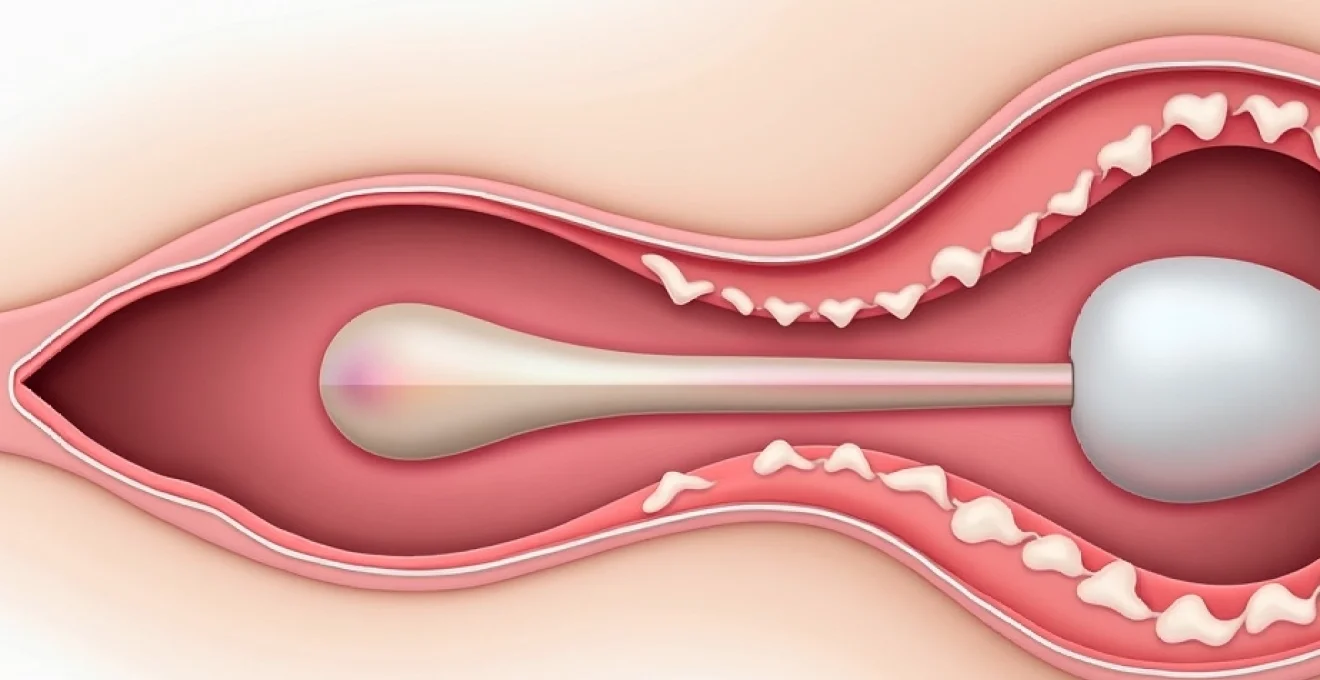
Phimosis affects millions of men worldwide, causing discomfort and potentially impacting quality of life when left untreated. This condition, characterised by the inability to retract the foreskin over the glans penis, can often be managed effectively through conservative treatment approaches. Modern medical research has demonstrated that properly executed stretching exercises, combined with appropriate topical treatments, can provide significant relief for many patients experiencing mild to moderate phimosis. Understanding the physiological mechanisms behind foreskin elasticity and implementing evidence-based stretching protocols can help restore normal preputial function without the need for surgical intervention.
Understanding phimosis pathophysiology and stretching mechanisms
The effectiveness of stretching exercises for phimosis relies on understanding the complex anatomy and physiology of the prepuce. The foreskin consists of multiple tissue layers, including specialised mucosal surfaces and elastic fibres that naturally accommodate retraction during normal physiological functions. When phimosis develops, these tissues become less compliant due to various factors including chronic inflammation, scarring, or congenital tight bands of tissue.
Preputial ring anatomy and collagen fibre structure
The preputial ring represents the narrowest portion of the foreskin, typically located at the tip where the inner and outer layers of the prepuce meet. This anatomical structure contains dense concentrations of collagen fibres arranged in both circular and longitudinal patterns. Understanding this architectural arrangement is crucial for developing effective stretching protocols that can gradually remodel the tissue structure. The collagen matrix responds to mechanical stress through a process called mechanotransduction, where applied forces stimulate cellular activity that promotes tissue remodelling and increased elasticity.
Type I versus type II phimosis classification systems
Medical professionals classify phimosis into distinct categories that influence treatment approaches and expected outcomes. Type I phimosis, also known as physiological phimosis, typically presents in younger patients and often resolves naturally through normal development and gentle stretching activities. Type II or pathological phimosis usually results from scarring, chronic inflammation, or conditions such as balanitis xerotica obliterans. This classification system helps determine whether conservative stretching approaches are appropriate or if more aggressive interventions may be necessary.
Tissue elasticity factors in foreskin retraction
Several biological factors influence the success rate of stretching exercises for phimosis management. Tissue elasticity depends on the ratio of collagen to elastin fibres, local blood circulation, hormonal influences, and the presence of inflammatory mediators. Younger patients typically demonstrate greater tissue plasticity and respond more favourably to conservative treatments. Additionally, the duration and severity of phimosis symptoms can impact the potential for tissue remodelling through stretching exercises.
Contraindications for conservative stretching therapy
While stretching exercises prove beneficial for many patients, certain conditions contraindicate conservative management approaches. Severe scarring from previous infections or trauma may create rigid, non-elastic tissue that cannot respond adequately to stretching protocols. Patients with active infections, including balanitis or posthitis, require antimicrobial treatment before initiating stretching exercises. Paraphimosis represents an absolute contraindication to self-directed stretching and requires immediate medical attention to prevent tissue necrosis.
Manual stretching techniques and progressive protocols
Successful phimosis management through stretching requires systematic application of graduated tension forces over extended periods. Manual techniques form the foundation of conservative treatment, allowing patients to apply controlled forces that gradually increase tissue compliance without causing trauma or excessive inflammation.
Two-finger stretching method with graduated tension
The two-finger stretching technique represents the most widely recommended manual approach for phimosis management. Patients begin by placing two fingers, typically the index fingers, inside the preputial space and applying gentle outward pressure. The initial force should create mild tension without causing pain or discomfort. Progressive increases in applied force over weeks or months allow gradual tissue adaptation and increased elasticity. Sessions typically last 10-15 minutes and should be performed 2-3 times daily for optimal results.
Flesh tunnel and graduated ring insertion techniques
Medical-grade flesh tunnels and graduated rings provide consistent stretching forces that can be maintained for extended periods. These devices, available in various diameters, allow progressive dilation of the preputial opening through sustained gentle pressure. Patients typically begin with the smallest diameter that can be comfortably inserted and gradually progress to larger sizes over several weeks. This approach offers advantages over manual techniques by providing consistent force application and allowing normal daily activities while treatment progresses.
Balloon dilation method using Medical-Grade materials
Balloon dilation techniques utilise specially designed medical devices that can be inserted beneath the foreskin and gradually inflated to create controlled stretching forces. This method allows precise control over applied pressure and can be particularly effective for patients with more severe restrictions. The balloon technique typically requires shorter treatment sessions compared to manual methods but may need to be performed under medical supervision initially. Professional guidance ensures proper technique and reduces the risk of complications such as tissue trauma or excessive force application.
Preputioplasty preparation exercises
For patients considering surgical intervention, specific stretching exercises can help prepare tissues and potentially reduce the need for more extensive procedures. These preparatory exercises focus on maximising existing tissue elasticity and identifying areas of greatest restriction. Some patients find that intensive pre-surgical stretching programmes provide sufficient improvement to avoid surgical intervention entirely. The exercises also help surgeons better assess tissue quality and plan optimal surgical approaches when conservative measures prove insufficient.
Timing protocols for optimal tissue adaptation
Research indicates that tissue remodelling follows predictable patterns that can guide optimal timing for stretching protocols. Initial improvements typically become apparent within 2-4 weeks of consistent exercise performance. Maximum benefits usually occur after 8-12 weeks of regular stretching, though some patients may require longer treatment periods. Consistency in exercise performance proves more important than the intensity of individual sessions, with daily gentle stretching producing superior results compared to sporadic aggressive attempts.
Topical corticosteroid integration with stretching regimens
Combining topical corticosteroids with mechanical stretching exercises significantly improves treatment outcomes compared to either intervention alone. These medications reduce local inflammation, increase tissue compliance, and accelerate the remodelling process that enables successful foreskin retraction.
Betamethasone 0.05% application techniques
Betamethasone represents one of the most frequently prescribed corticosteroids for phimosis management due to its potent anti-inflammatory effects and excellent tissue penetration. The recommended application involves applying a thin layer to both the inner and outer surfaces of the foreskin, with particular attention to areas of greatest restriction. Optimal absorption occurs when the medication is applied 15-20 minutes before performing stretching exercises, allowing time for tissue softening and increased compliance. Treatment typically continues for 6-8 weeks, with gradual tapering to prevent rebound inflammation.
Clobetasol propionate dosage and duration guidelines
Clobetasol propionate offers even more potent anti-inflammatory effects than betamethasone and may be necessary for patients with more severe phimosis or those who have not responded adequately to milder preparations. The medication should be applied sparingly twice daily, focusing on the tightest areas of the preputial ring. Treatment duration with clobetasol typically ranges from 4-8 weeks, depending on individual response and the severity of symptoms. Regular monitoring helps ensure optimal benefits while minimising the risk of side effects associated with potent topical corticosteroids.
Recent clinical studies demonstrate that combining topical corticosteroids with structured stretching exercises achieves success rates exceeding 80% in appropriately selected patients with phimosis.
Hydrocortisone alternative for paediatric cases
Younger patients often require milder corticosteroid preparations to reduce the risk of systemic absorption and local side effects. Hydrocortisone 1-2.5% provides effective anti-inflammatory benefits with improved safety profiles for paediatric applications. The lower potency requires longer treatment periods, typically 8-12 weeks, but offers greater safety margins for extended use. Parental supervision ensures proper application and helps monitor for signs of improvement or potential adverse reactions during treatment.
Steroid-free natural lubricants and tissue conditioners
Several natural alternatives can support stretching exercises without the potential complications associated with corticosteroid use. High-quality coconut oil provides excellent lubrication and possesses mild anti-inflammatory properties that can facilitate comfortable stretching exercises. Vitamin E oil helps maintain tissue health and may promote healing in areas subject to mechanical stress. These natural options prove particularly valuable for patients who cannot tolerate corticosteroids or prefer non-pharmaceutical approaches to phimosis management.
Advanced stretching devices and medical equipment
Modern medical technology has produced several sophisticated devices specifically designed to address phimosis through controlled mechanical stretching. These instruments offer advantages over manual techniques by providing consistent force application, precise pressure control, and the ability to maintain stretching forces for extended periods without active patient participation.
Commercially available phimosis stretching devices range from simple graduated rings to complex pneumatic systems that can be programmed for specific force applications. Professional-grade equipment typically incorporates pressure monitoring systems that prevent excessive force application while ensuring adequate tissue stimulation for remodelling. These devices often prove particularly beneficial for patients with limited manual dexterity or those who struggle to maintain consistent manual stretching routines.
Recent innovations include smart stretching devices that can monitor treatment progress and adjust applied forces based on tissue response. Some systems incorporate temperature regulation to optimise tissue compliance during stretching sessions. Mobile applications now accompany many devices, allowing patients to track progress, receive reminders for treatment sessions, and communicate with healthcare providers about their response to therapy.
Advanced stretching devices can reduce treatment time by up to 40% compared to manual techniques alone, while providing more consistent and measurable outcomes for patients with phimosis.
The integration of telemedicine capabilities allows remote monitoring of device usage and treatment response, enabling healthcare providers to adjust protocols without requiring frequent office visits. This technological approach proves particularly valuable for patients in remote areas or those with mobility limitations that might otherwise prevent access to specialised urological care.
Monitoring progress and clinical assessment parameters
Successful phimosis management requires systematic monitoring of treatment response and objective assessment of improvements in foreskin retractability. Healthcare providers utilise standardised measurement techniques and patient-reported outcome measures to evaluate the effectiveness of stretching protocols and determine when modifications to treatment plans may be necessary.
Clinical assessment typically involves measuring the diameter of the preputial opening using graduated probes or standardised photographs that can be compared over time. Objective measurements provide valuable data for tracking progress and identifying patients who may require alternative treatment approaches. Digital photography, when used appropriately with patient consent, allows detailed documentation of tissue changes and can help identify early signs of complications such as excessive inflammation or tissue breakdown.
Patient symptom diaries help capture subjective improvements in comfort levels, ease of retraction, and any associated symptoms such as pain during erection or difficulty with hygiene maintenance. Regular follow-up appointments, typically scheduled every 4-6 weeks during active treatment, allow healthcare providers to assess technique, address patient concerns, and modify treatment protocols based on individual response patterns.
Standardised questionnaires can assess the impact of phimosis symptoms on quality of life, sexual function, and psychological wellbeing. These comprehensive assessments help ensure that treatment goals align with patient expectations and that improvements in anatomical function translate into meaningful benefits for overall health and wellbeing. Long-term follow-up studies indicate that most patients who achieve successful outcomes through conservative treatment maintain their improvements without requiring additional interventions.
Age-specific considerations and therapeutic adaptations
Treatment approaches for phimosis must be carefully tailored to patient age, developmental stage, and individual circumstances. Paediatric patients present unique challenges and opportunities, as their tissues typically demonstrate greater plasticity and healing potential compared to adult patients. However, age-appropriate techniques and realistic expectations become crucial factors in achieving successful outcomes.
Adolescent patients often experience rapid improvement with conservative treatments due to hormonal influences that promote tissue growth and remodelling. Teenage years represent an optimal window for conservative intervention, as increased testosterone levels and ongoing penile development can facilitate successful resolution of phimosis through stretching exercises. Educational approaches become particularly important for this age group, ensuring that patients understand proper techniques and maintain consistent treatment routines.
Adult patients may require more intensive and prolonged treatment protocols to achieve similar outcomes compared to younger individuals. Tissue changes associated with aging, previous infections, or chronic inflammation can reduce the effectiveness of conservative approaches. However, recent studies demonstrate that even elderly patients can achieve meaningful improvements through properly supervised stretching programmes, though treatment periods may extend beyond the typical 8-12 week timeframe.
Age-appropriate modifications to stretching protocols can improve success rates by up to 25% compared to standardised treatment approaches, particularly in paediatric and elderly populations.
Special considerations for diabetic patients include careful monitoring for signs of infection and slower healing responses that may require extended treatment periods. Patients with compromised immune systems benefit from closer medical supervision and may require antimicrobial prophylaxis during intensive stretching protocols. Healthcare providers must balance the benefits of conservative treatment against the increased risks of complications in these vulnerable populations, often requiring individualised treatment plans that account for comorbid conditions and overall health status.