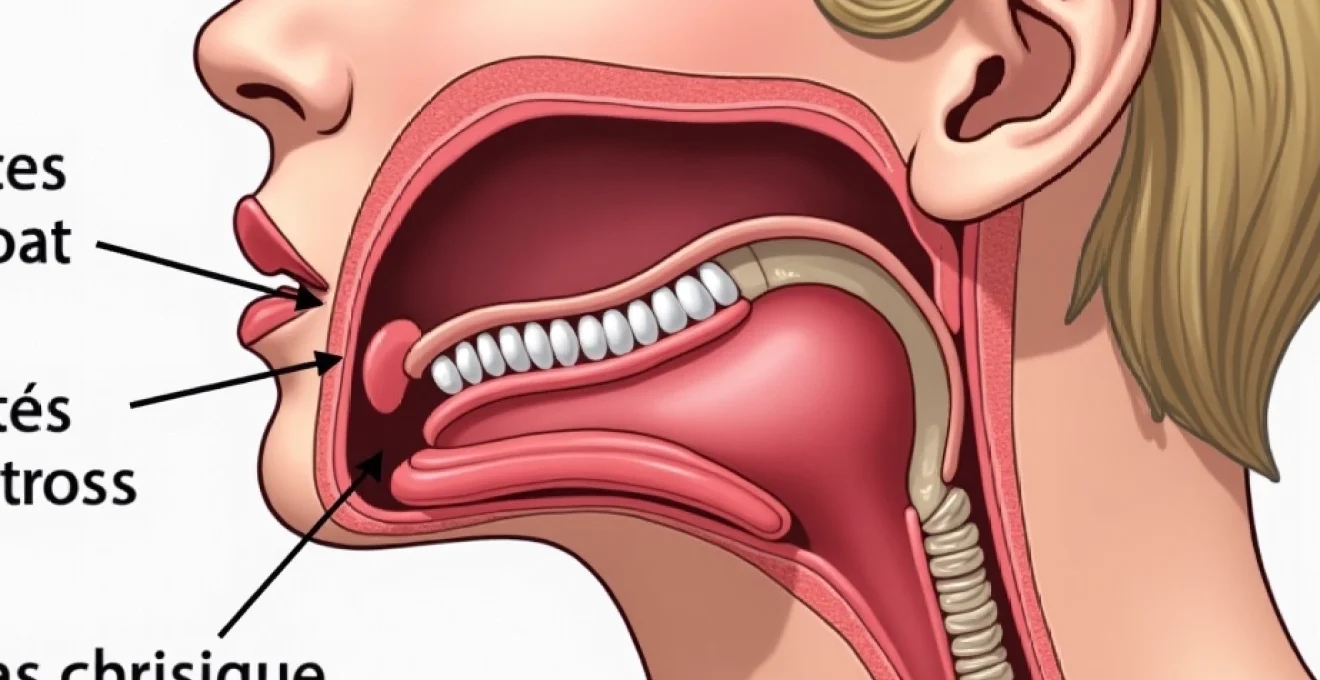
The sensation of having something lodged in your throat, medically termed globus pharyngeus or globus sensation, affects millions of people worldwide and represents one of the most common complaints in general practice and otolaryngology clinics. This persistent, non-painful feeling of a lump or foreign body in the throat can significantly impact quality of life, causing anxiety and frequent throat clearing behaviours. Despite its prevalence, the condition remains poorly understood by many patients, who often worry about serious underlying pathology when experiencing these uncomfortable sensations.
Understanding the multifaceted nature of globus pharyngeus requires examining various anatomical, physiological, and psychological factors that contribute to this phenomenon. The condition can arise from structural abnormalities, inflammatory processes, gastroesophageal disorders, or psychological stress, making accurate diagnosis and targeted treatment essential for effective management. Research indicates that up to 4% of all ear, nose, and throat referrals are related to globus sensation, highlighting the significant burden this condition places on healthcare systems.
Anatomical structures involved in globus pharyngeus sensation
The complex anatomy of the throat and surrounding structures plays a crucial role in the development of globus sensation. Understanding these anatomical relationships provides insight into why certain conditions can create the perception of throat obstruction even when no physical blockage exists. The pharynx, larynx, and upper oesophagus work in coordinated fashion during swallowing, and disruption to any component can result in abnormal sensations.
Pharyngeal muscle groups and cricopharyngeal sphincter dysfunction
The cricopharyngeal muscle, forming the upper oesophageal sphincter, serves as a critical anatomical landmark in globus sensation development. This muscle band, located at the junction between the pharynx and oesophagus, normally relaxes during swallowing to allow food passage into the oesophagus. When dysfunction occurs, patients may experience incomplete relaxation or inappropriate contraction of this sphincter, creating the characteristic sensation of throat tightness or obstruction.
Cricopharyngeal spasm represents a specific manifestation where involuntary muscle contractions create intense pressure sensations in the lower throat region. These spasms can be triggered by stress, anxiety, or gastroesophageal reflux, creating a cycle where throat tension perpetuates further muscle dysfunction. Electromyographic studies have demonstrated abnormal muscle activity patterns in patients with persistent globus symptoms, supporting the role of neuromuscular dysfunction in symptom generation.
Oesophageal motility disorders and lower oesophageal sphincter abnormalities
Disorders affecting oesophageal motility can manifest as globus sensation, particularly when involving the upper portions of the oesophagus. Conditions such as achalasia, where the lower oesophageal sphincter fails to relax appropriately, can create retrograde pressure effects that patients perceive as throat fullness. Similarly, oesophageal spasm disorders can generate abnormal pressure waves that radiate upward, creating the sensation of throat obstruction.
The relationship between oesophageal function and globus perception becomes particularly evident during manometric studies, which measure pressure changes throughout the swallowing apparatus. Patients with globus often demonstrate subtle motility abnormalities that may not be severe enough to cause dysphagia but sufficient to generate uncomfortable throat sensations. High-resolution manometry has revealed previously undetectable patterns of dysfunction in many patients with unexplained globus symptoms.
Laryngeal framework and thyroid cartilage positioning
The laryngeal framework, consisting of various cartilages including the thyroid, cricoid, and arytenoid cartilages, can contribute to globus sensation when structural abnormalities or inflammatory changes occur. Thyroid cartilage prominence variations, particularly in individuals with prominent Adam’s apples, may create heightened awareness of throat structures and contribute to globus perception. Additionally, age-related changes in cartilage calcification can alter the normal flexibility of laryngeal structures.
Laryngeal position abnormalities, whether congenital or acquired, can also influence globus development. When the larynx sits in an abnormally high or low position relative to surrounding structures, patients may experience altered sensation during swallowing or at rest. These positional changes can result from surgical procedures, trauma, or progressive age-related changes in neck anatomy.
Hyoid bone movement patterns and suprahyoid muscle tension
The hyoid bone, unique as the only bone in the human body not connected to other bones, plays a vital role in swallowing mechanics and can significantly influence globus sensation development. Abnormal hyoid movement patterns, often resulting from suprahyoid muscle tension, can create the perception of throat obstruction. The suprahyoid muscles, including the digastric, mylohyoid, and geniohyoid muscles, coordinate hyoid elevation during swallowing, and dysfunction in these muscles can perpetuate globus symptoms.
Chronic muscle tension in the suprahyoid region, frequently associated with stress or anxiety, can maintain abnormal hyoid positioning and contribute to persistent globus sensation. Manual therapy techniques targeting these muscle groups have shown promise in some patients, suggesting that addressing muscular dysfunction may provide symptom relief. Palpation of the hyoid region often reveals tenderness and increased muscle tension in patients with chronic globus symptoms.
Gastroesophageal reflux disease and laryngopharyngeal reflux manifestations
Gastroesophageal reflux disease (GERD) and its variant, laryngopharyngeal reflux (LPR), represent the most commonly identified causes of globus sensation, with studies indicating that 23-68% of patients with globus symptoms have concurrent reflux disease. The relationship between acid reflux and throat symptoms involves complex mechanisms including direct acid contact with sensitive pharyngeal tissues, inflammatory responses, and secondary muscle dysfunction. Understanding these mechanisms is crucial for developing effective treatment strategies.
Silent reflux and pepsin deposition on vocal fold tissues
Silent reflux, characterised by the absence of typical heartburn symptoms, frequently manifests as globus sensation and represents a diagnostic challenge for healthcare providers. Unlike classic GERD, silent reflux may produce minimal oesophageal symptoms while causing significant laryngopharyngeal inflammation. The detection of pepsin, a gastric enzyme, in laryngeal tissues has emerged as a biomarker for reflux-related throat symptoms, providing objective evidence of gastric content exposure in the upper airway.
Pepsin deposition on vocal fold epithelium can persist for hours after reflux episodes, continuing to cause tissue damage and inflammation even when acid levels normalise. This prolonged exposure mechanism explains why some patients experience persistent throat symptoms despite apparently adequate acid suppression therapy. Immunohistochemical staining for pepsin in laryngeal biopsies has revealed widespread pepsin presence in patients with reflux-related globus symptoms, supporting the role of enzymatic damage in symptom generation.
Oesophagitis-induced inflammatory response and mucosal swelling
Chronic acid exposure in the oesophagus triggers inflammatory cascades that can extend beyond the oesophageal mucosa to affect surrounding structures and nerve pathways. This inflammatory response involves the release of various mediators, including histamine, leukotrienes, and cytokines, which can sensitise nerve endings and create heightened awareness of normal swallowing sensations. The resulting mucosal swelling and tissue oedema can contribute to the physical sensation of throat fullness characteristic of globus symptoms.
The inflammatory response to reflux can also affect the vagal nerve pathways that innervate the throat and oesophagus, potentially altering normal sensory processing and creating abnormal throat sensations. This neuroinflammatory component helps explain why some patients continue to experience globus symptoms even after successful acid suppression, as nerve sensitisation may persist beyond the resolution of active inflammation.
Chronic inflammation in reflux disease can fundamentally alter the way the nervous system processes normal throat sensations, converting previously unnoticed physiological processes into uncomfortable symptoms.
Proton pump inhibitor treatment response patterns
Proton pump inhibitors (PPIs) represent the mainstay of treatment for reflux-related globus symptoms, but response patterns vary considerably among patients. Clinical studies demonstrate that 60-80% of patients with reflux-related globus show improvement with PPI therapy, though optimal dosing and duration remain subjects of ongoing research. Some patients require higher doses or longer treatment courses than those used for typical GERD, reflecting the more resistant nature of laryngopharyngeal reflux.
The time course of PPI response in globus patients differs from classic GERD presentations, with throat symptoms often requiring 2-3 months of treatment before showing significant improvement. This delayed response pattern reflects the time needed for laryngeal tissue healing and inflammation resolution. Patients who fail to respond to standard PPI therapy may benefit from alternative acid suppression strategies or investigation for non-reflux causes of their symptoms.
Ph monitoring studies and Dual-Channel impedance testing
Ambulatory pH monitoring studies provide valuable diagnostic information in patients with suspected reflux-related globus, particularly when symptoms occur without typical heartburn. Traditional single-probe pH studies may miss important reflux events occurring in the upper oesophagus and pharynx, leading to the development of dual-channel impedance-pH testing that can detect both acid and non-acid reflux events. These advanced diagnostic techniques have revealed that many patients with globus symptoms experience frequent reflux episodes that might not be detected by conventional testing methods.
Impedance testing measures changes in electrical resistance across the oesophageal lumen, allowing detection of liquid and gas reflux regardless of pH levels. This technology has demonstrated that non-acid reflux, previously undetectable by standard pH monitoring, contributes significantly to globus symptoms in some patients. Multichannel intraluminal impedance combined with pH monitoring represents the current gold standard for comprehensive reflux assessment in patients with atypical symptoms like globus sensation.
Psychological factors and Stress-Related throat tension syndromes
The relationship between psychological factors and globus sensation represents a complex interplay of mind-body interactions that can significantly impact symptom perception and treatment outcomes. Historically dismissed as purely psychological, globus sensation is now understood to involve genuine physiological changes triggered or exacerbated by emotional stress, anxiety, and other psychological factors. This understanding has led to more comprehensive treatment approaches that address both physical and psychological components of the condition.
Conversion disorder presentations in otolaryngology practice
Conversion disorder, characterised by neurological symptoms without identifiable organic causes, can manifest as globus sensation and related throat symptoms in otolaryngology practice. Patients with conversion disorder may experience genuine physical sensations resulting from unconscious psychological conflicts or stressors, making distinction from organic causes challenging. The presentation often includes dramatic symptom descriptions and may be associated with secondary gain or attention-seeking behaviours, though patients genuinely experience distressing symptoms.
Diagnosis of conversion disorder requires careful exclusion of organic pathology while identifying psychological precipitants or maintaining factors. The condition often responds to psychological interventions, including cognitive behavioural therapy and stress management techniques. Multidisciplinary management involving both otolaryngologists and mental health professionals typically produces the best outcomes for patients with conversion disorder presentations.
Anxiety-induced muscle tension dysphonia patterns
Anxiety-related muscle tension represents a significant contributor to globus sensation, particularly in patients with generalised anxiety disorders or specific throat-related fears. Chronic anxiety can create persistent tension in the muscles surrounding the larynx and pharynx, leading to altered voice quality and throat discomfort. This muscle tension dysphonia pattern often accompanies globus symptoms and may respond to voice therapy techniques combined with anxiety management strategies.
The physiological mechanism involves increased muscle co-contraction around the larynx, creating excessive force during phonation and swallowing. This tension can become self-perpetuating as patients develop awareness of throat sensations and unconsciously increase muscle tension in response. Biofeedback techniques and progressive muscle relaxation can help patients identify and modify these tension patterns, often providing significant symptom relief.
Somatisation disorder and chronic throat symptoms
Somatisation disorder involves the expression of psychological distress through physical symptoms, and the throat represents a common site for such manifestations. Patients with somatisation-related globus may present with multiple somatic complaints across different body systems, making diagnosis challenging. The throat symptoms in somatisation disorder are genuine and distressing to patients, requiring empathetic management approaches that validate patient experiences while addressing underlying psychological factors.
Treatment of somatisation-related globus requires careful balance between medical evaluation to exclude organic disease and psychological support to address underlying emotional factors.
Patients with somatisation disorders experience real physical symptoms that significantly impact their quality of life, regardless of the psychological origins of their complaints.
Long-term management often involves regular follow-up, symptom monitoring, and psychological support to prevent symptom escalation and excessive medical utilisation.
Infectious and inflammatory conditions causing throat obstruction sensations
Various infectious and inflammatory conditions can produce globus-like symptoms through direct tissue swelling, inflammatory mediator release, or secondary muscle dysfunction. These conditions often present acutely or subacutely, distinguishing them from chronic globus sensation, and typically respond to appropriate antimicrobial or anti-inflammatory treatment. Understanding these conditions is crucial for proper differential diagnosis and treatment selection.
Chronic sinusitis with postnasal drip represents a common inflammatory condition that can create persistent throat sensations resembling globus. The constant drainage of infected or inflamed sinus secretions into the pharynx can cause tissue irritation, chronic cough, and the sensation of throat obstruction. Treatment typically involves addressing the underlying sinus inflammation through topical nasal steroids, antimicrobials when indicated, and nasal irrigation techniques. Postnasal drip may persist for weeks after acute sinusitis resolution, requiring patient education about expected recovery timelines.
Pharyngitis, whether viral or bacterial in origin, can cause acute throat discomfort that may persist as globus sensation after the initial infection resolves. Post-infectious inflammatory changes can maintain throat irritation and abnormal sensation for several weeks beyond pathogen clearance. Similarly, tonsillitis or adenoiditis can create persistent throat fullness through chronic inflammation or hypertrophic tissue changes. Chronic tonsillitis, in particular, may cause ongoing globus symptoms that resolve only after tonsillectomy in selected patients.
Autoimmune conditions affecting the throat, such as Sjögren’s syndrome or systemic lupus erythematosus, can produce globus symptoms through inflammatory tissue changes and altered secretion patterns. These conditions often require specialised management approaches involving immunosuppressive therapy and symptom-specific treatments. Thyroiditis, whether autoimmune or infectious in origin, can cause neck discomfort and globus sensation through direct gland swelling and inflammatory mediator effects on surrounding tissues.
Structural abnormalities and Space-Occupying lesions
While most globus sensation results from functional rather than structural causes, certain anatomical abnormalities and space-occupying lesions can produce similar symptoms and must be considered in the differential diagnosis. These conditions typically require imaging studies or endoscopic evaluation for definitive diagnosis and may necessitate surgical intervention for symptom resolution.
Thyroid gland enlargement, whether due to benign goitre, multinodular disease, or malignancy, can create globus sensation through mechanical compression of surrounding structures. The thyroid gland’s intimate anatomical relationship with the trachea, oesophagus, and laryngeal structures means that even modest enlargement can produce throat fullness or pressure sensations. Thyroid nodules, particularly those located in the posterior or lateral aspects of the gland, may preferentially compress the oesophagus or recurrent laryngeal nerves, creating swallowing difficulties or voice changes in addition to globus symptoms.
Cervical lymph node enlargement from infectious, inflammatory, or neoplastic causes can produce throat obstruction sensations through direct mass effect or inflammatory tissue changes. Reactive lymphadenopathy following upper respiratory infections commonly causes temporary globus symptoms that resolve as the underlying inflammation subsides. However, persistent or progressive lymph node enlargement requires thorough evaluation to exclude malignancy or chronic inflammatory conditions.
Oesophageal strictures, whether benign or malignant, can present initially with globus sensation before progressing to frank dysphagia. Benign strictures most commonly result from chronic gastroesophageal reflux, though caustic ingestion, radiation therapy, or inflammatory conditions can also cause oesophageal narrowing. Barium swallow studies remain the gold standard for detecting
oesophageal strictures and assessing their functional impact on swallowing mechanics.
Zenker’s diverticulum, a pouch-like herniation of the pharyngeal wall, represents a specific structural abnormality that commonly presents with globus sensation before progressing to more severe dysphagia symptoms. This condition typically develops due to increased pressure during swallowing combined with weakness in the posterior pharyngeal wall. Patients may initially experience only subtle throat fullness or the sensation of food sticking, but symptoms typically progress over time to include regurgitation of undigested food, halitosis, and aspiration risk. Video fluoroscopic swallowing studies provide definitive diagnosis and help guide surgical planning when intervention becomes necessary.
Cervical spine abnormalities, including osteophytes or degenerative changes, can occasionally produce globus symptoms through mechanical compression of pharyngeal or oesophageal structures. These bony projections from cervical vertebrae can impinge upon the posterior pharyngeal wall or upper oesophagus, creating the sensation of throat obstruction. While relatively uncommon, this etiology should be considered in patients with concurrent neck pain or neurological symptoms, particularly in older adults with degenerative cervical spine disease.
Diagnostic evaluation protocols and imaging modalities
Comprehensive evaluation of globus sensation requires a systematic approach that balances thorough assessment with cost-effective resource utilisation. The diagnostic process must differentiate between functional and structural causes while avoiding unnecessary investigations in patients with clearly benign presentations. Current evidence-based guidelines emphasise the importance of careful history taking and physical examination as the foundation of diagnostic evaluation, with selective use of advanced testing based on clinical presentation and risk factors.
The initial assessment should focus on identifying red flag symptoms that suggest structural pathology or malignancy, including dysphagia, odynophagia, unexplained weight loss, neck masses, or progressive symptom worsening. Patients presenting with isolated globus sensation in the absence of these concerning features typically require minimal initial investigation, with emphasis placed on reassurance and symptom monitoring. However, persistent symptoms in higher-risk patients, particularly those over 40 years of age with significant smoking or alcohol histories, warrant more aggressive evaluation to exclude malignancy.
Flexible laryngoscopy represents the most valuable initial diagnostic tool for patients with persistent globus symptoms, allowing direct visualisation of the larynx, pharynx, and upper oesophageal area. This office-based procedure can identify inflammatory changes, structural abnormalities, or masses that might contribute to globus sensation while providing reassurance to patients concerned about serious pathology. Laryngoscopic examination should specifically assess for signs of laryngopharyngeal reflux, including posterior laryngeal erythema, vocal fold oedema, or arytenoid inflammation, which may guide subsequent treatment decisions.
When reflux disease is suspected as the underlying cause, empirical proton pump inhibitor therapy often serves as both a diagnostic and therapeutic intervention. A positive response to 2-3 months of adequate acid suppression supports the diagnosis of reflux-related globus, while failure to respond may indicate the need for alternative diagnostic approaches or consideration of non-reflux etiologies. For patients requiring objective reflux assessment, 24-hour pH monitoring or impedance-pH testing provides definitive evidence of acid or non-acid reflux episodes and their temporal relationship to symptom occurrence.
Contrast swallowing studies, including barium swallow examinations, play a crucial role in evaluating patients with globus when structural abnormalities are suspected. These studies can identify oesophageal strictures, motility disorders, or anatomical variants that might contribute to throat obstruction sensations. Modified barium swallow studies with videofluoroscopy provide dynamic assessment of swallowing function and can detect subtle coordination abnormalities that might not be apparent on static imaging studies.
The key to effective globus evaluation lies in matching the intensity of investigation to the clinical presentation and risk profile, avoiding both under-diagnosis of serious conditions and over-investigation of benign functional symptoms.
Advanced imaging modalities, including computed tomography or magnetic resonance imaging of the neck, should be reserved for patients with palpable masses, neurological symptoms, or other concerning findings on initial evaluation. These studies excel at characterising soft tissue masses, lymph node enlargement, or thyroid abnormalities that might contribute to globus sensation. However, routine imaging in patients with uncomplicated globus symptoms is not recommended and may lead to incidental findings that complicate rather than clarify the clinical picture.
Upper endoscopy becomes indicated when patients present with concurrent dysphagia, particularly for solid foods, or when initial conservative management fails to provide adequate symptom relief. This procedure allows direct mucosal assessment and tissue sampling when indicated, while also permitting therapeutic interventions such as stricture dilation if structural abnormalities are identified. The timing of endoscopy should be individualised based on patient age, risk factors, and severity of symptoms, with urgent evaluation reserved for those with alarm symptoms suggesting possible malignancy.
Oesophageal manometry provides detailed assessment of swallowing function and can identify subtle motility disorders that might contribute to globus sensation. High-resolution manometry has revolutionised the evaluation of oesophageal function, providing unprecedented detail about pressure patterns and muscle coordination throughout the swallowing apparatus. This technology has revealed previously unrecognised abnormalities in many patients with functional swallowing complaints, though the clinical significance of minor manometric abnormalities remains a subject of ongoing research.
Psychological assessment should be considered in patients with persistent globus symptoms, particularly when stress or anxiety appear to be contributing factors. Validated screening tools can help identify underlying mood disorders, anxiety conditions, or somatisation patterns that might benefit from psychological intervention. The integration of psychological evaluation into the diagnostic process requires sensitivity and careful explanation to patients, emphasising that psychological factors can produce genuine physical symptoms rather than implying that symptoms are imaginary or exaggerated.
Speech and language therapy evaluation offers both diagnostic and therapeutic benefits for patients with globus sensation, particularly when muscle tension or abnormal swallowing patterns are suspected. Specialised assessment can identify subtle coordination abnormalities or inappropriate muscle tension patterns that contribute to throat discomfort. These professionals can also provide valuable patient education about normal swallowing physiology and teach specific techniques for managing globus symptoms through behavioural modifications.
The diagnostic approach must also consider cost-effectiveness and patient preferences when determining the appropriate level of investigation. Many patients with typical globus presentations can be effectively managed with reassurance and conservative treatment, reserving more intensive evaluation for those with persistent symptoms or concerning features. A staged approach to investigation, beginning with simple office-based procedures and progressing to more complex studies only when indicated, optimises both diagnostic yield and resource utilisation while maintaining patient satisfaction and safety.