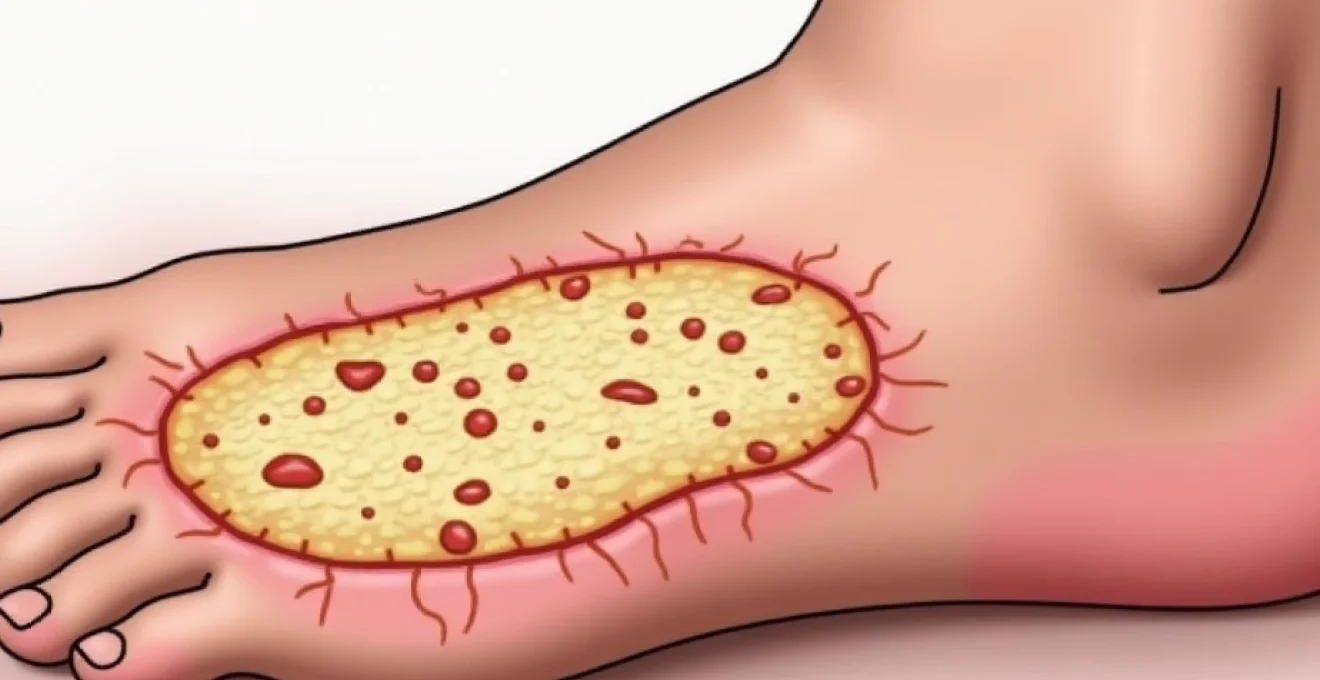
Penile shaft scabs can be a concerning discovery for any man, often triggering anxiety about potential underlying conditions. These lesions represent a common dermatological presentation that can stem from various mechanical, infectious, or inflammatory causes. Understanding the diverse aetiological factors behind penile shaft scab formation is crucial for appropriate management and prevention of complications.
The penile shaft’s unique anatomical characteristics, including its thin epidermis and frequent exposure to friction during daily activities, make it particularly susceptible to trauma-induced lesions. Whether resulting from vigorous sexual activity, improper hygiene practices, or underlying dermatological conditions, these scabs require careful evaluation to determine their precise origin and implement targeted treatment strategies.
Mechanical trauma and penile friction injuries
Mechanical trauma represents one of the most prevalent causes of penile shaft scab formation, with friction-related injuries accounting for a significant proportion of cases presenting to urological and dermatological services. The delicate nature of penile skin, combined with its frequent exposure to repetitive motion and pressure, creates an environment where minor trauma can quickly escalate to visible lesion formation.
Aggressive sexual activity and repetitive motion trauma
Vigorous sexual intercourse stands as a primary contributor to penile shaft friction injuries. During prolonged or intense sexual activity, particularly when inadequate lubrication is present, the repetitive friction between the penile shaft and vaginal or anal tissues can cause microscopic tears in the epidermis. These micro-abrasions subsequently heal through scab formation, creating the characteristic crusty lesions observed on the penile shaft.
The healing process typically involves platelet aggregation and fibrin deposition, forming a protective barrier over the damaged tissue. However, repeated trauma to the same area can lead to chronic inflammation and delayed healing, resulting in persistent or recurrent scab formation that may concern patients about potential infectious aetiologies.
Tight clothing and Fabric-Related abrasion patterns
Restrictive clothing, particularly tight-fitting underwear or trousers, can create constant friction against the penile shaft during normal daily activities. Synthetic fabrics with rough textures or seams positioned near the genital area can act as abrasive surfaces, gradually wearing away the superficial layers of penile skin through continuous contact and movement.
Athletic activities compound this problem significantly, as increased physical movement and perspiration create an environment where fabric-to-skin friction intensifies. The combination of moisture, heat, and repetitive motion can lead to chafing injuries that manifest as linear or patchy scabs along the penile shaft, often following the pattern of clothing contact points.
Masturbation-induced epithelial damage and scarring
Excessive or aggressive masturbation practices represent another significant mechanical cause of penile shaft trauma. When performed without adequate lubrication or with excessive force, masturbation can cause friction burns similar to those seen in other forms of mechanical trauma. The repetitive gripping and stroking motions can gradually erode the superficial epithelium, leading to raw areas that subsequently form scabs during the healing process.
Chronic masturbation-related trauma can also lead to the development of keratinised areas or callus-like formations along frequently contacted portions of the penile shaft. These thickened regions may be more prone to cracking and subsequent scab formation, particularly in areas where the skin experiences the greatest mechanical stress during self-stimulation activities.
Sports-related penile shaft friction from cycling and running
Endurance sports, particularly cycling and long-distance running, present unique challenges for penile health due to prolonged contact with equipment and repetitive motion patterns. Cycling saddles can create pressure points and friction zones along the penile shaft, especially during extended rides or when proper padding is absent. The forward-leaning position adopted during cycling increases contact pressure between the penis and clothing or saddle.
Running activities can generate similar friction-related injuries through the repetitive contact between the penis and underwear or shorts. The bouncing motion characteristic of running, combined with moisture from perspiration, creates conditions favourable for chafing and subsequent scab formation. Marathon runners and other endurance athletes frequently report such issues, particularly when using new or improperly fitted athletic wear.
Dermatological conditions manifesting as penile scab formation
Various dermatological conditions can present with scab-like lesions on the penile shaft, often mimicking trauma-related injuries but requiring different management approaches. These inflammatory and allergic conditions frequently involve complex immune-mediated processes that result in skin barrier disruption and subsequent healing responses characterised by scab formation.
Contact dermatitis from latex condoms and lubricants
Allergic contact dermatitis represents a significant cause of penile shaft lesions, with latex condoms being a particularly common trigger. Type IV hypersensitivity reactions to latex proteins can manifest as erythematous, vesicular eruptions that progress to crusting and scab formation as the acute inflammatory phase resolves. The distribution pattern typically correlates with areas of direct contact, creating characteristic linear or geometric configurations.
Personal lubricants containing preservatives, fragrances, or other chemical additives can similarly trigger contact dermatitis reactions. Benzyl benzoate, parabens, and glycols represent some of the most frequent allergens found in commercial lubricant formulations. The resulting inflammatory response can produce weeping lesions that dry to form scabs, particularly in areas where the lubricant has had prolonged contact with the penile skin.
Seborrhoeic dermatitis on penile shaft skin
Seborrhoeic dermatitis can affect the penile shaft, particularly in men with a predisposition to this condition in other sebum-rich areas such as the scalp and face. The characteristic erythematous, scaly plaques of seborrhoeic dermatitis can develop along the penile shaft, creating lesions that may be mistaken for traumatic scabs but represent a chronic inflammatory dermatosis.
The pathogenesis involves Malassezia yeast overgrowth combined with individual susceptibility factors, leading to inflammatory cascades that disrupt normal skin barrier function. The resulting scale formation and periodic exacerbation-remission cycles can create confusion regarding the underlying aetiology, particularly when patients have concurrent friction-related injuries.
Eczematous reactions and atopic dermatitis presentations
Atopic dermatitis can manifest on the penile shaft as part of generalised eczematous disease or as an isolated genital presentation. The characteristic features include intense pruritus, erythema, and vesicle formation, which subsequently evolve into crusted lesions resembling traumatic scabs. The chronic nature of atopic dermatitis often leads to lichenification and secondary bacterial colonisation.
Irritant contact dermatitis differs from allergic variants in its pathogenesis but can produce similar clinical appearances. Exposure to harsh soaps, detergents, or other irritating substances can cause direct damage to the penile skin, resulting in inflammatory responses and subsequent scab formation. The key distinction lies in the immediate onset following exposure rather than the delayed response typical of allergic reactions.
Psoriatic plaques and scaly lesion development
Genital psoriasis can present with characteristic silvery-scaled plaques on the penile shaft, though the typical scaling may be less prominent in this location due to the moist environment. The well-demarcated erythematous lesions of psoriasis can develop surface crusting, particularly when subject to trauma or scratching, creating appearances that may be confused with infectious or traumatic scabs.
The inverse nature of genital psoriasis often results in atypical presentations that can challenge diagnostic accuracy, requiring careful correlation of clinical findings with patient history and response to treatment.
Infectious aetiologies of penile shaft scab formation
Infectious causes of penile shaft scabs encompass viral, bacterial, and fungal pathogens that can directly damage the epithelium or trigger inflammatory responses leading to secondary lesion formation. These conditions often present diagnostic challenges due to overlapping clinical presentations with non-infectious causes, necessitating appropriate microbiological investigation and targeted antimicrobial therapy.
Herpes simplex virus type 1 and type 2 lesion patterns
Herpes simplex virus infections represent a significant infectious cause of penile shaft scabs, with both HSV-1 and HSV-2 capable of producing characteristic vesicular eruptions that progress to ulceration and subsequent crusting. The initial vesicular phase may be brief or go unnoticed, with patients presenting during the ulcerative or healing phases when scab formation is most prominent.
The pathognomonic feature of herpetic lesions lies in their evolution from grouped vesicles to shallow ulcers and finally to crusted scabs during the healing process. Recurrent episodes typically follow similar patterns but may present with prodromal symptoms including tingling, burning, or hyperaesthesia preceding visible lesion development. The distribution often correlates with the dermatome of initial infection, though viral shedding can occur from clinically normal-appearing skin.
Human papillomavirus wart formation and secondary trauma
Human papillomavirus infections can produce genital warts on the penile shaft that subsequently develop secondary trauma-related scabbing. The characteristic exophytic growths of condyloma acuminatum can become irritated through friction during sexual activity or daily activities, leading to surface erosions and scab formation over the warty lesions.
HPV types 6 and 11 most commonly cause visible genital warts, while high-risk types may produce subclinical infections that can predispose to secondary trauma. The irregular surface of warts creates areas of increased friction susceptibility, making them prone to bleeding and subsequent healing with scab formation that can mask the underlying papillomatous nature of the lesions.
Bacterial folliculitis and staphylococcal skin infections
Bacterial folliculitis affecting hair follicles along the penile shaft can present with pustular lesions that rupture and heal with scab formation. Staphylococcus aureus represents the most common pathogen, though gram-negative organisms may also be involved, particularly in immunocompromised individuals or those with predisposing factors such as diabetes mellitus.
The progression from follicular pustule to crusted lesion typically occurs over several days, with the characteristic pattern following hair distribution along the penile shaft. Secondary bacterial infection of pre-existing trauma or dermatitis can complicate the clinical picture, creating mixed presentations that require comprehensive antimicrobial coverage and treatment of underlying predisposing conditions.
Candidal balanitis extension to penile shaft tissue
While candidal infections primarily affect the glans and prepuce in balanitis, extension to the penile shaft can occur, particularly in immunocompromised individuals or those with diabetes mellitus. The characteristic erythematous base with satellite pustules can develop secondary crusting, especially when subjected to scratching or friction from clothing.
Chronic candidal infections may lead to persistent inflammatory changes and recurrent episodes of surface breakdown and healing, creating a cycle of scab formation and resolution that can be mistaken for other chronic dermatological conditions. The predilection for warm, moist environments makes the penile shaft susceptible to candidal overgrowth, particularly in uncircumcised men with poor hygiene practices.
Iatrogenic causes and medical procedure complications
Medical interventions and diagnostic procedures involving the genital area can occasionally result in iatrogenic injuries that heal with scab formation on the penile shaft. These complications may arise from surgical procedures, diagnostic biopsies, laser treatments, or other therapeutic interventions performed in the urological or dermatological setting.
Circumcision procedures, whether performed in infancy or adulthood, can rarely be associated with healing complications that extend beyond the typical surgical site. Tension on suture lines, infection, or excessive movement during the healing period can lead to wound dehiscence and subsequent scab formation along portions of the penile shaft. Similarly, laser therapy for genital warts or other lesions may cause thermal damage to adjacent normal tissue, resulting in secondary scab formation during the healing process.
Electrocautery procedures for lesion removal can create zones of thermal necrosis that extend beyond the intended treatment area, particularly when performed on the thin skin of the penile shaft. The resulting tissue damage heals through typical wound repair mechanisms, often producing prominent scabs that may alarm patients unfamiliar with the expected healing process. Proper patient education regarding anticipated healing patterns can help distinguish normal post-procedural healing from complications requiring medical attention.
Biopsy procedures, while generally well-tolerated, can occasionally result in delayed healing or keloid formation, particularly in individuals with predisposing genetic factors or healing disorders.
Differential diagnosis through clinical examination techniques
Accurate diagnosis of penile shaft scabs requires systematic clinical evaluation incorporating detailed history taking, physical examination, and appropriate diagnostic testing when indicated. The differential diagnosis encompasses the broad range of mechanical, inflammatory, infectious, and neoplastic conditions that can present with similar clinical appearances, necessitating careful attention to subtle distinguishing features.
History-taking should focus on the temporal relationship between scab appearance and potential triggering events such as sexual activity, new clothing or personal care products, recent medical procedures, or systemic illness. The pattern of lesion development, associated symptoms such as pain or pruritus, and response to previous treatments can provide valuable diagnostic clues that help narrow the differential diagnosis.
Physical examination should assess lesion morphology, distribution, and associated findings such as lymphadenopathy or other cutaneous manifestations. The distinction between traumatic and infectious aetiologies often relies on subtle differences in lesion characteristics, with traumatic causes typically producing linear or geometric patterns corresponding to areas of mechanical stress, while infectious causes may demonstrate more random or clustered distributions.
Laboratory investigations may include bacterial cultures, viral PCR testing, fungal preparations, or histopathological examination depending on the clinical presentation and suspected aetiology. Patch testing may be indicated when allergic contact dermatitis is suspected, while serological testing for sexually transmitted infections should be considered in sexually active individuals with compatible presentations.
Treatment protocols and wound care management strategies
Management of penile shaft scabs depends entirely on the underlying aetiology, with treatment protocols ranging from simple wound care and barrier protection to specific antimicrobial therapy or systemic immunosuppression. The primary goals include promoting healing, preventing secondary infection, alleviating symptoms, and addressing underlying predisposing factors to prevent recurrence.
For traumatic injuries and friction-related scabs, conservative management typically suffices, with emphasis on eliminating ongoing sources of trauma and providing optimal healing conditions. This includes avoiding tight clothing, using appropriate lubrication during sexual activity, and maintaining proper genital hygiene without over-cleansing that could further irritate damaged tissue. Topical emollients and barrier preparations can help protect healing tissue from further mechanical injury.
Infectious aetiologies require targeted antimicrobial therapy based on the identified pathogen and antimicrobial sensitivity patterns. Bacterial infections typically respond to topical or systemic antibiotics, while viral conditions may benefit from antiviral therapy during acute episodes. Fungal infections require appropriate antifungal treatments, with attention to addressing predisposing factors such as diabetes mellitus or immunosuppression that may contribute to recurrent episodes.
Inflammatory dermatological conditions often require topical corticosteroids or other anti-inflammatory agents, with careful monitoring for potential side effects associated with steroid use on genital skin. Alternative treatments such as topical calcineurin inhibitors may be appropriate for chronic conditions requiring long-term management. Patient education regarding trigger avoidance and proper skin care techniques represents a crucial component of long-term management strategies.
The importance of follow-up care cannot be overstated, as persistent or recurrent lesions may indicate inadequate initial treatment, underlying systemic conditions, or evolving pathological processes requiring modified therapeutic approaches.
Prevention strategies should address identified risk factors and may include modifications to sexual practices, clothing choices, personal hygiene routines, or underlying medical conditions. Regular dermatological or urological follow-up may be appropriate for individuals with chronic or recurrent conditions to monitor treatment response and adjust therapeutic regimens as needed. Understanding the multifactorial nature of penile shaft scab formation enables clinicians to develop comprehensive management plans that address both immediate treatment needs and long-term prevention goals.