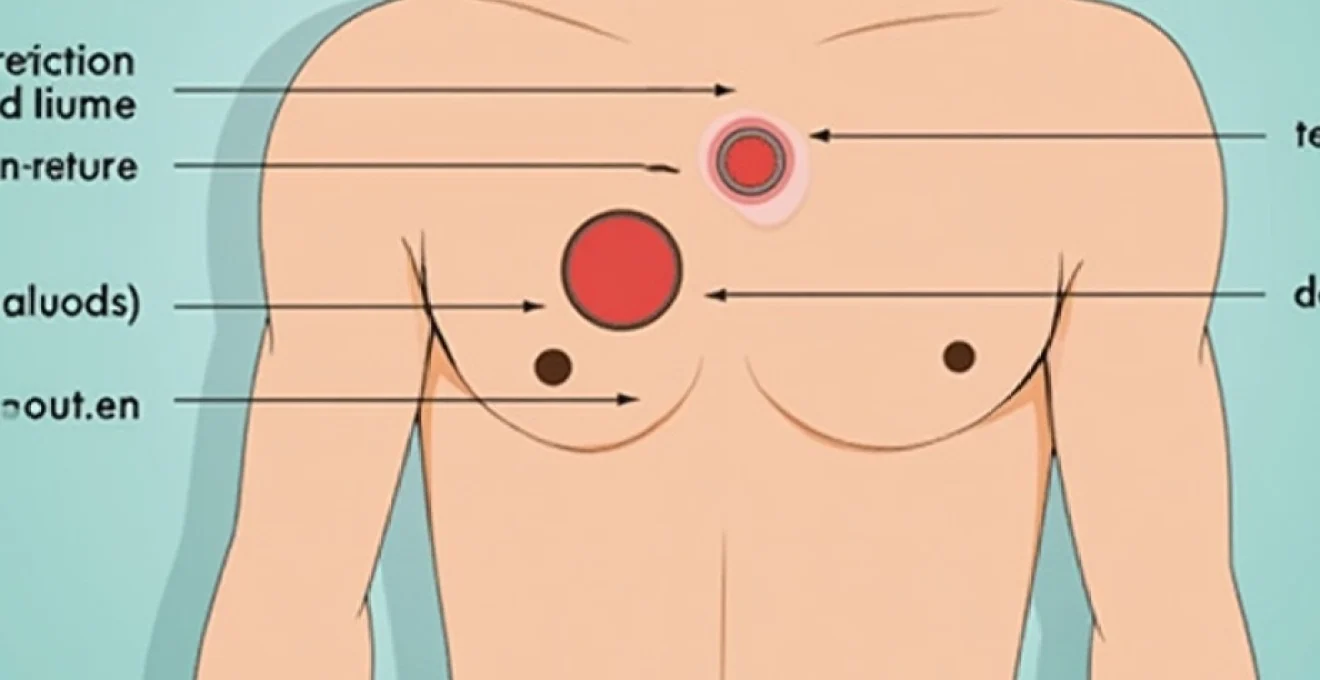
Post-vaccination reactions at the injection site are amongst the most common experiences following tetanus immunisation. The formation of a firm, sometimes tender lump at the vaccination site represents your body’s natural immune response to the tetanus vaccine components. Understanding the typical duration and characteristics of these localised reactions helps differentiate between normal post-vaccination responses and situations requiring medical attention. Most individuals develop some degree of swelling, tenderness, or induration following their tetanus vaccination, with the majority of these reactions resolving within several days to two weeks.
Tetanus vaccination Post-Injection site reactions and timeline
The development of injection site reactions following tetanus vaccination occurs through a complex interplay of immune system activation and local tissue response. When the tetanus vaccine is administered intramuscularly, typically into the deltoid muscle of the upper arm, the body initiates both innate and adaptive immune responses. These reactions serve as visible indicators that the immune system is processing the vaccine antigens and beginning to develop protective immunity against tetanus infection.
Intramuscular injection trauma and inflammatory response mechanisms
The initial trauma from needle insertion creates microscopic tissue damage that triggers the body’s inflammatory cascade. Within minutes of vaccination, blood vessels in the surrounding tissue begin to dilate, allowing immune cells and inflammatory mediators to flood the injection site. This vascular response leads to the characteristic warmth, redness, and initial swelling that many people notice within hours of receiving their tetanus shot.
Neutrophils, the first responders of the immune system, arrive at the injection site within the first few hours. These white blood cells release various chemical signals that perpetuate the inflammatory response and recruit additional immune cells to the area. The accumulation of these cells, along with increased fluid from dilated blood vessels, contributes significantly to the formation and persistence of the post-vaccination lump.
Aluminium hydroxide Adjuvant-Induced localised swelling patterns
Most tetanus vaccines contain aluminium hydroxide as an adjuvant, a substance designed to enhance the immune response to the vaccine antigens. This adjuvant can create a depot effect at the injection site, where the aluminium salts form microscopic particles that are slowly absorbed by the body over several weeks. The presence of these particles can maintain a low-grade inflammatory response, contributing to the persistence of lumps and induration at the vaccination site.
The aluminium adjuvant triggers what immunologists term a “sterile inflammatory response,” meaning inflammation without infection. This response is characterised by the recruitment of specialised immune cells called dendritic cells, which process the vaccine antigens and present them to other components of the immune system. The ongoing presence of aluminium particles can sustain this response for an extended period, explaining why some individuals experience injection site reactions lasting several weeks.
Deltoid muscle tissue response to tetanus toxoid components
The deltoid muscle’s anatomical structure and blood supply significantly influence how vaccination site reactions develop and resolve. The muscle’s dense network of blood vessels facilitates rapid immune cell recruitment, whilst its fibrous structure can temporarily trap inflammatory cells and fluid. The tetanus toxoid components themselves can bind to muscle fibres and surrounding connective tissue, creating localised areas of immune activation that manifest as firm nodules or lumps.
Individual variations in muscle density, fat distribution, and vascular anatomy contribute to differences in reaction severity and duration between patients. Those with well-developed deltoid musculature may experience more pronounced reactions due to the greater concentration of immune cells within the muscle tissue, whilst individuals with higher subcutaneous fat may notice more diffuse swelling patterns.
Vaccination site induration versus typical bruising differentiation
Distinguishing between normal post-vaccination induration and concerning reactions requires understanding the characteristic features of each. Typical vaccination lumps present as firm, well-defined areas of swelling that may feel warm to the touch and cause mild to moderate discomfort. These reactions generally maintain consistent size and firmness over the first few days before gradually softening and reducing in size.
In contrast, simple bruising from injection trauma appears as discoloured skin without significant firmness or persistent swelling. Bruises typically change colour from red to purple to yellow-green as they heal, whilst vaccination lumps maintain their firmness and may actually increase slightly in size during the first 48-72 hours before beginning to resolve. Understanding these differences helps individuals monitor their post-vaccination recovery appropriately.
Clinical duration parameters for tetanus shot lumps
The timeline for tetanus vaccination lump resolution follows predictable patterns in most individuals, though considerable variation exists based on individual immune response characteristics and vaccine composition. Medical literature consistently demonstrates that the vast majority of injection site reactions reach peak severity within 24-48 hours of vaccination, followed by gradual improvement over the subsequent days to weeks. Understanding these temporal patterns enables appropriate monitoring and identifies cases that may require medical evaluation.
Acute phase swelling timeline: 24-72 hour window
The acute inflammatory phase typically manifests within 2-4 hours of tetanus vaccination, with maximum swelling and tenderness generally occurring between 24-72 hours post-injection. During this period, the injection site commonly develops a firm, raised area measuring 2-5 centimetres in diameter. The overlying skin may appear red or slightly discoloured, and gentle pressure often elicits mild to moderate discomfort.
Temperature elevation at the injection site represents another hallmark of the acute phase, reflecting the increased blood flow and metabolic activity associated with immune system activation. Most individuals report that the lump feels noticeably warm compared to surrounding skin during this initial period. Pain levels typically peak during the first day following vaccination, then begin to diminish even whilst visible swelling may persist or temporarily increase.
Subacute inflammatory resolution: days 3-7 Post-Vaccination
The subacute phase, spanning approximately days 3-7 following vaccination, marks the beginning of active resolution for most injection site reactions. During this period, the firmness of the lump gradually decreases as inflammatory cells begin to disperse and excess fluid is reabsorbed by the lymphatic system. Many individuals notice that whilst the lump remains palpable, it becomes less tender to touch and begins to soften around the edges.
The reduction in size during the subacute phase typically follows a predictable pattern, with the lump shrinking by approximately 25-50% from its peak dimensions. Colour changes in the overlying skin often become apparent during this timeframe, with initial redness fading to a paler pink or returning to normal skin tone. Sleep comfort generally improves significantly during this phase as pressure sensitivity diminishes.
Chronic induration cases: extended 2-4 week recovery periods
A subset of individuals experience prolonged injection site reactions lasting 2-4 weeks or occasionally longer. These extended reactions, whilst concerning to patients, typically represent variations in normal immune response rather than pathological processes. The persistence of lumps beyond the typical resolution timeframe often correlates with slower metabolism of vaccine adjuvants, individual immune system characteristics, or the presence of particularly robust cellular immune responses.
Chronic induration cases frequently involve gradual, steady improvement rather than rapid resolution. The lump may remain palpable for weeks whilst simultaneously becoming softer, smaller, and less symptomatic over time. Patient tolerance during these extended recovery periods generally improves markedly as acute symptoms subside, even whilst visible or palpable changes persist.
Clinical experience demonstrates that injection site reactions persisting beyond four weeks occur in fewer than 5% of tetanus vaccinations and typically resolve completely with conservative management.
Individual immune response variables affecting lump persistence
Multiple factors influence the duration and intensity of post-vaccination lumps, creating significant individual variation in recovery timelines. Age represents one of the most significant variables, with older adults often experiencing more prolonged reactions due to changes in immune system function and slower tissue repair processes. Conversely, very young children may develop more intense acute reactions but often resolve them more rapidly than adults.
Previous vaccination history significantly impacts reaction patterns, with individuals receiving multiple tetanus boosters over their lifetime sometimes developing enhanced local reactions due to pre-existing immunity. This phenomenon, known as immune enhancement, can result in more pronounced lumps that may persist for extended periods. Additionally, concurrent illness, stress levels, and overall immune system status at the time of vaccination can substantially influence both reaction severity and resolution timeline.
Pathophysiology of Post-Tetanus vaccination nodules
The formation of nodules following tetanus vaccination involves complex interactions between vaccine components and the recipient’s immune system at the cellular and molecular levels. These reactions represent sophisticated biological processes designed to optimise antigen presentation and immune memory formation. Understanding the underlying pathophysiology helps distinguish between beneficial immune activation and potentially problematic inflammatory responses that may require medical intervention.
The tetanus vaccine’s aluminium adjuvant plays a central role in nodule formation through its ability to create persistent inflammatory signals at the injection site. These adjuvants function by slowly releasing vaccine antigens over extended periods, maintaining immune system activation long after the initial injection. The resulting inflammatory microenvironment promotes the formation of granulomatous tissue, characterised by collections of specialised immune cells surrounded by fibrous connective tissue.
Macrophages, large immune cells responsible for clearing foreign material, accumulate at vaccination sites and attempt to phagocytose aluminium particles. However, the chemical properties of these adjuvants make them resistant to complete elimination, leading to frustrated phagocytosis and chronic macrophage activation. This ongoing cellular activity maintains the inflammatory response and contributes to the persistence of palpable nodules at injection sites.
The development of vaccination nodules also involves activation of the complement system, a cascade of proteins that amplifies inflammatory responses and promotes tissue repair. Complement activation leads to the production of various inflammatory mediators that increase vascular permeability and recruit additional immune cells to the injection site. This coordinated response ensures robust immune memory formation but can also prolong local inflammatory symptoms.
Fibroblast proliferation represents another key component of nodule pathophysiology, as these cells produce collagen and other structural proteins that form the framework of healing tissue. The balance between inflammatory cell infiltration and fibroblast activity determines both the firmness and duration of vaccination lumps. Excessive fibroblast activity can occasionally lead to more persistent nodules that require extended resolution periods.
Medical management strategies for prolonged injection site reactions
Effective management of tetanus vaccination lumps focuses primarily on comfort measures and monitoring for signs of complications requiring medical intervention. Most injection site reactions resolve spontaneously without specific treatment, but various conservative approaches can help alleviate symptoms and potentially accelerate recovery. The key principle underlying management strategies involves supporting the body’s natural healing processes whilst avoiding interventions that might interfere with beneficial immune responses.
Topical Anti-Inflammatory treatment protocols using ibuprofen gel
Topical non-steroidal anti-inflammatory drugs (NSAIDs) such as ibuprofen gel offer targeted relief for injection site discomfort without the systemic effects associated with oral medications. Applied directly to the affected area, these preparations can reduce local inflammation and provide analgesic effects that improve comfort during the acute phase of vaccination reactions. The advantage of topical application lies in achieving higher local drug concentrations whilst minimising systemic absorption and potential side effects.
Proper application technique involves gently massaging a thin layer of ibuprofen gel into the skin surrounding the injection site 2-3 times daily. Care should be taken to avoid excessive pressure that might exacerbate tenderness or interfere with the underlying inflammatory processes. Treatment duration typically ranges from 3-7 days, depending on symptom severity and individual response to therapy.
Cold compress therapy application techniques and frequency
Cold therapy represents one of the most accessible and effective methods for managing acute injection site symptoms. The application of cold temperatures causes vasoconstriction, reducing blood flow to the affected area and subsequently limiting inflammatory cell infiltration and fluid accumulation. This physiological response can significantly diminish swelling and provide substantial pain relief during the initial post-vaccination period.
Optimal cold compress application involves using ice packs or frozen gel packs wrapped in a thin towel to prevent direct skin contact and potential cold injury. Treatment sessions should last 15-20 minutes and can be repeated every 2-3 hours during the first 48-72 hours following vaccination. The intermittent application pattern prevents tissue damage from prolonged cold exposure whilst maximising therapeutic benefits for symptom management.
Gentle Range-of-Motion exercises for deltoid mobility maintenance
Maintaining shoulder mobility through gentle range-of-motion exercises helps prevent stiffness and may facilitate resolution of injection site reactions by promoting lymphatic drainage and blood circulation. These exercises should be performed within comfort limits, avoiding movements that significantly exacerbate pain or discomfort. The goal involves preserving normal shoulder function whilst supporting the healing process through improved tissue perfusion and reduced muscle tension.
Effective exercises include gentle shoulder rolls, arm circles with limited range initially progressing to full range as tolerated, and gentle overhead reaching movements. Each exercise should be performed slowly and controlled, with 5-10 repetitions several times daily. Progressive advancement of exercise intensity should follow symptom improvement, ensuring that physical therapy supports rather than hinders the recovery process.
Research indicates that gentle movement and exercise following vaccination can reduce the duration of injection site symptoms by up to 25% compared to complete rest and immobilisation.
Red flag symptoms requiring immediate medical intervention
Whilst the majority of tetanus vaccination lumps represent benign inflammatory responses, certain symptoms warrant prompt medical evaluation to rule out serious complications. These warning signs may indicate the development of bacterial infection, severe allergic reactions, or rare but serious conditions such as SIRVA (Shoulder Injury Related to Vaccine Administration) or brachial neuritis. Early recognition and appropriate medical intervention for these complications can prevent progression to more serious conditions and improve long-term outcomes.
Rapidly spreading redness extending beyond a 10-centimetre diameter from the injection site suggests possible bacterial cellulitis requiring antibiotic treatment. This spreading erythema often appears as red streaking patterns following lymphatic channels and may be accompanied by increased warmth, severe tenderness, and systemic symptoms such as fever or malaise. The presence of purulent discharge from the injection site represents another clear indication for urgent medical evaluation and possible bacterial culture.
Severe pain that interferes significantly with daily activities or sleep, particularly when accompanied by numbness, tingling, or weakness in the affected arm, may indicate nerve involvement or SIRVA development. These symptoms can manifest days to weeks following vaccination and may persist for months without appropriate treatment. Shoulder function assessment becomes crucial when patients report difficulty with overhead movements, lifting objects, or performing routine daily activities.
Systemic allergic reactions, whilst rare, can occasionally develop hours to days following tetanus vaccination rather than immediately post-injection. Warning signs include widespread rash or hives, facial or throat swelling, difficulty breathing, rapid pulse, or dizziness. These symptoms require immediate emergency medical attention as they may herald the development of anaphylaxis, a potentially life-threatening allergic reaction requiring prompt treatment with epinephrine and supportive care.
Persistent or worsening symptoms beyond four weeks post-vaccination deserve medical evaluation to exclude uncommon complications or underlying conditions that may have been exacerbated by the immune response to vaccination. Additionally, any injection site lump that becomes increasingly firm, develops irregular borders, or continues growing after the initial week should be assessed to rule out rare complications such as granuloma formation or, extremely rarely, malignant processes unrelated to vaccination but coincidentally discovered during the post-vaccination period.
Medical authorities emphasise that serious complications from tetanus vaccination occur in fewer than 1 in 10,000 recipients, but prompt recognition and treatment of warning symptoms significantly improve outcomes when complications do arise.