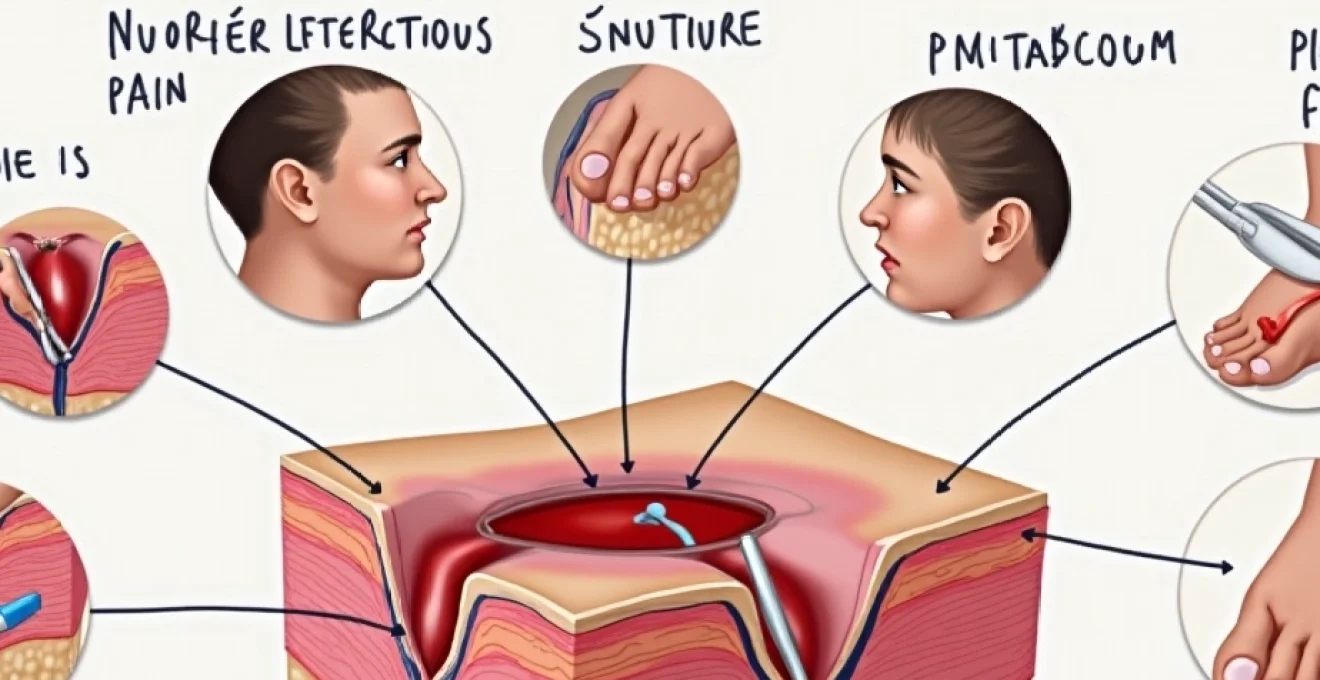
The prospect of receiving stitches can evoke considerable anxiety for many patients, particularly those experiencing their first suturing procedure. Understanding the pain mechanisms involved in wound closure helps demystify the process and provides realistic expectations for patients facing this common medical intervention. While the original injury typically causes significantly more discomfort than the suturing procedure itself, various factors influence the pain experience during and after stitch placement.
Pain perception during suture procedures varies dramatically based on anatomical location, suture materials, individual pain tolerance, and the effectiveness of local anaesthesia. Modern wound closure techniques and anaesthetic protocols have substantially reduced patient discomfort compared to historical practices. The complexity of pain response involves multiple physiological pathways, from initial tissue trauma to the healing process that follows suture placement.
Understanding suture pain mechanisms and neurophysiology
The neurophysiology of suture-related pain involves complex interactions between sensory receptors, neural pathways, and inflammatory mediators. When a needle penetrates tissue during suturing, it activates multiple pain mechanisms simultaneously, creating a cascade of sensory signals that travel to the brain for interpretation.
Nociceptor activation during needle penetration and thread insertion
Nociceptors, specialised pain receptors distributed throughout skin and deeper tissues, respond immediately to mechanical pressure from needle insertion. These receptors detect tissue deformation, chemical changes, and thermal variations that occur during suturing procedures. The density of nociceptors varies significantly across different body regions, explaining why facial sutures often feel more intense than those placed on the torso or extremities.
When the suture needle pierces skin, mechanosensitive nociceptors activate within milliseconds, sending rapid pain signals through peripheral nerves. The threading process itself creates additional mechanical stimulation as the suture material passes through tissue planes. Different needle geometries and suture textures can substantially alter the intensity of nociceptor activation , with smoother materials generally causing less tissue trauma during insertion.
Inflammatory response pathways following tissue puncture
The inflammatory cascade triggered by needle puncture releases numerous chemical mediators that sensitise pain receptors and amplify discomfort. Histamine, prostaglandins, and bradykinin flood the wound site within minutes of tissue trauma, creating the characteristic throbbing sensation many patients experience during suturing. This inflammatory response serves protective functions but contributes significantly to pain perception.
Cytokine release following tissue disruption activates additional pain pathways and can persist for hours after suture placement. The magnitude of inflammatory response correlates directly with tissue trauma extent, explaining why multiple sutures or complex repairs typically generate more discomfort than simple, single-stitch closures.
Pain signal transmission through a-delta and c-fibres
Two primary nerve fibre types transmit suture-related pain signals: fast-conducting A-delta fibres and slower C-fibres. A-delta fibres carry sharp, localised pain sensations that patients feel immediately upon needle insertion, while C-fibres transmit the duller, aching sensations that develop during and after the procedure. Understanding this dual pathway explains why suture pain has both immediate sharp components and lingering discomfort.
The relative contribution of each fibre type varies based on suturing technique and anatomical location. Areas with dense A-delta innervation, such as fingertips and facial regions, produce more intense sharp pain during needle insertion. Conversely, regions with predominantly C-fibre innervation may generate less immediate discomfort but more prolonged aching sensations.
Gate control theory application in suture discomfort
Gate control theory provides valuable insights into managing suture pain through competing sensory inputs. When healthcare providers apply gentle pressure around the injection site or use vibration techniques, they activate large-diameter nerve fibres that can effectively suppress pain signal transmission through spinal cord mechanisms. This explains why patients often experience reduced discomfort when providers use distraction techniques during suturing.
Temperature applications and topical anaesthetics work through similar gate control mechanisms, providing non-pharmacological pain relief options. The theory also explains why patients focusing on the suturing procedure often report more pain than those engaged in conversation or other distracting activities.
Pain intensity variations across different suture types
Suture material composition and structure significantly influence pain levels during insertion and throughout the healing process. Modern surgical threads incorporate various polymers and natural materials, each with distinct characteristics affecting tissue interaction and patient comfort.
Absorbable sutures: vicryl, monocryl, and PDS pain profiles
Absorbable sutures generally cause less long-term discomfort compared to non-absorbable alternatives, as they eliminate the need for removal procedures. Vicryl sutures, composed of polyglactin, typically generate moderate initial discomfort due to their braided structure, which can drag through tissues during insertion. However, their predictable absorption timeline reduces overall patient anxiety about suture removal.
Monocryl sutures offer smoother tissue passage due to their monofilament construction, resulting in less mechanical trauma during placement. Patients often report minimal discomfort with Monocryl insertion, though the material’s relatively rapid absorption can occasionally cause tissue irritation as breakdown products accumulate. PDS sutures maintain their strength longer than other absorbable options, making them suitable for deeper tissue layers where prolonged support is essential.
Non-absorbable materials: nylon, silk, and prolene discomfort levels
Non-absorbable sutures present a complex pain profile, with initial placement discomfort followed by potential removal-related anxiety. Nylon sutures, despite their strength and reliability, can feel particularly sharp during insertion due to their stiff monofilament structure. The material’s memory characteristics mean nylon sutures may continue creating tissue tension after placement, contributing to ongoing discomfort.
Silk sutures, historically popular for their handling characteristics, generate moderate pain during insertion but often feel more comfortable than synthetic alternatives once in place. The natural protein structure of silk creates less tissue reactivity in many patients, though individual sensitivities vary considerably. Prolene sutures offer excellent strength with minimal tissue reactivity, though their blue colouration can cause psychological discomfort for some patients who find the visible material disturbing.
Barbed sutures vs traditional smooth sutures pain comparison
Barbed sutures represent a significant advancement in wound closure technology, featuring microscopic barbs that eliminate the need for knot tying. During insertion, these sutures may create slightly more discomfort than smooth alternatives due to the barbed surface texture engaging tissue fibres. However, the elimination of knot bulk often reduces long-term pain and tissue irritation.
The self-anchoring properties of barbed sutures allow for more even tension distribution across wound edges, potentially reducing stress-related pain that can occur with traditional knotted closures. Patients frequently report less pulling sensations and improved comfort during healing when barbed sutures are used appropriately.
Suture gauge impact: from 6-0 to 3-0 threading discomfort
Suture gauge directly correlates with needle size and subsequent tissue trauma during insertion. Finer sutures like 6-0 require smaller needles that create minimal tissue disruption, resulting in significantly less pain during placement. These delicate sutures are commonly used for facial repairs where both cosmetic outcomes and patient comfort are paramount.
Larger gauge sutures such as 3-0 necessitate proportionally larger needles that create more substantial tissue trauma. While the increased discomfort is typically brief, patients often notice the difference when comparing repairs using different suture sizes. The relationship between suture size and pain emphasises the importance of selecting appropriate materials for each specific wound characteristics.
Anatomical location pain sensitivity assessment
Body region anatomy dramatically influences suture pain intensity due to varying nerve density, skin thickness, and tissue mobility. Understanding these anatomical differences helps both patients and healthcare providers prepare for the suturing experience and optimise pain management strategies.
Facial suturing discomfort: perioral and periorbital regions
Facial tissues contain exceptionally dense sensory innervation, making sutures in perioral and periorbital regions particularly sensitive. The rich nerve supply around the mouth serves important functions for eating and communication but creates heightened pain perception during suturing. Lip repairs often generate intense initial discomfort despite careful anaesthetic administration.
The delicate skin around the eyes presents unique challenges for both patient comfort and suturing technique. Periorbital tissues have minimal subcutaneous support, causing sutures to feel more prominent and potentially uncomfortable. The psychological impact of facial suturing often amplifies pain perception , as patients worry about cosmetic outcomes while experiencing the physical discomfort of the procedure.
Extremity wound closure pain variations
Upper and lower extremities demonstrate significant pain variation based on specific anatomical sites and tissue characteristics. Hand and finger sutures typically cause considerable discomfort due to dense sensory innervation and frequent movement that stresses repair sites. The functional importance of hand movement means patients often experience ongoing awareness of sutures during daily activities.
Lower extremity wounds, particularly on the legs and feet, may cause less immediate pain but often generate more discomfort during healing due to gravitational pooling and ambulation stresses. Ankle and foot sutures face particular challenges from footwear pressure and the constant mechanical demands of weight-bearing activities.
Scalp laceration repair sensitivity factors
Scalp anatomy presents unique considerations for suture pain assessment, with thick hair follicles, dense blood supply, and robust tissue characteristics. The scalp’s rich vascularisation means even small lacerations can bleed profusely, but this same blood supply facilitates rapid healing and often reduces long-term discomfort. Hair follicles can complicate suture placement and occasionally trap suture material, creating ongoing irritation.
The scalp’s relative immobility compared to facial tissues often makes sutures less noticeable once initial discomfort subsides. However, hair washing and grooming activities can stress suture sites, requiring careful patient education about appropriate wound care during healing.
Palmar and plantar surface suturing challenges
The thick, specialised skin of palms and soles creates unique suturing challenges that directly impact patient pain experience. These surfaces contain numerous sensory receptors optimised for tactile discrimination, making any suture placement immediately noticeable and often uncomfortable. The thick dermal layer requires more substantial sutures and greater tension to achieve proper wound edge approximation.
Palmar and plantar locations face constant mechanical stress from gripping and walking activities, respectively. This ongoing tension can cause sutures to feel tight or painful, particularly during the first few days after placement. The inability to completely immobilise these areas often prolongs the discomfort associated with wound healing.
The thick, keratinised skin of hands and feet requires special consideration during suturing, as the robust tissue characteristics often necessitate higher tension and more substantial suture materials.
Local anaesthesia efficacy in suture pain management
Local anaesthetic effectiveness varies considerably based on anatomical factors, injection technique, and individual patient characteristics. Lidocaine remains the gold standard for suture anaesthesia, providing rapid onset and reliable pain relief for most procedures. The typical burning sensation during lidocaine injection, while uncomfortable, is brief and substantially less painful than suturing without anaesthesia.
Anaesthetic distribution can be uneven in certain tissue types, particularly in areas with dense fibrous tissue or previous scarring. Clinicians often need to use multiple injection sites to ensure complete coverage, especially for longer lacerations or complex wound geometries. The pH buffering of lidocaine can reduce injection pain significantly , though this technique is not universally available in all clinical settings.
Individual variation in anaesthetic sensitivity means some patients require higher concentrations or volumes to achieve adequate pain relief. Factors such as tissue inflammation, previous local anaesthetic exposure, and genetic variations in drug metabolism all influence anaesthetic effectiveness. Patients with red hair may require up to 25% more local anaesthetic due to genetic differences in pain receptor function.
The duration of anaesthetic effect varies from 30 minutes to several hours, depending on the specific agent used and whether vasoconstrictor additives are included. Epinephrine-containing solutions provide prolonged anaesthesia but are contraindicated in certain anatomical locations such as fingers and toes due to vascular compromise risks.
Post-suture pain timeline and healing discomfort patterns
Pain patterns following suture placement follow predictable timelines that correlate with tissue healing stages and inflammatory responses. Understanding these patterns helps patients prepare for the recovery process and identify when pain levels might indicate complications requiring medical attention.
Initial post-suture discomfort typically peaks within the first 4-6 hours as local anaesthetic effects wear off and inflammatory mediators accumulate at the wound site. This initial phase often coincides with patients returning home from medical care, making adequate pain management planning essential. Simple analgesics like paracetamol and ibuprofen provide effective relief for most patients during this acute phase.
The inflammatory phase of healing, occurring during the first 2-4 days post-suturing, often produces throbbing or aching sensations that fluctuate in intensity. Sleep position and daily activities can significantly influence pain levels during this period, with many patients reporting increased discomfort when the wound site is dependent or under pressure. Elevation and appropriate wound protection typically provide substantial relief.
Proliferative healing begins around day 3-5 and may introduce new types of discomfort as tissues rebuild and remodel. Itching often replaces acute pain during this phase , though the urge to scratch can be problematic for wound integrity. The formation of granulation tissue can create a pulling sensation around suture sites, particularly in areas subject to movement or tension.
Suture removal, when required, typically occurs 5-14 days post-placement depending on location and healing progress. Removal discomfort is generally minimal compared to initial placement, described by most patients as brief tugging or pinching sensations. Some patients experience anticipatory anxiety about removal that exceeds the actual discomfort of the procedure.
Most patients find that suture removal involves less discomfort than they anticipated, with the process typically taking only minutes and causing minimal pain when performed by experienced practitioners.
Patient-specific pain factors and clinical considerations
Individual patient characteristics significantly influence pain perception and management requirements during suturing procedures. Age-related factors play crucial roles, with paediatric patients often requiring specialised approaches to minimise distress and ensure cooperation. Children’s pain perception differs from adults, with psychological factors often amplifying the physical discomfort of suturing.
Elderly patients may experience altered pain perception due to age-related changes in nerve function and medication interactions. Chronic conditions such as diabetes can affect both pain sensation and wound healing, requiring modified approaches to suture placement and post-procedural care. Cognitive impairment in elderly patients may complicate pain assessment and management strategies.
Previous trauma experiences and medical anxiety disorders can substantially amplify pain perception during suturing procedures. Patients with post-traumatic stress disorder or specific medical phobias may require additional psychological support and potentially alternative management approaches such as conscious sedation for successful wound closure.
Chronic pain conditions and opioid tolerance present specific challenges for suture pain management. Patients taking chronic pain medications may require higher doses of local anaesthetics or adjunctive pain management strategies to achieve adequate comfort during procedures. Communication about existing pain management regimens is essential for healthcare providers to plan appropriate intervention strategies.
Cultural and social factors influence pain expression and management preferences, with some patients preferring stoic approaches while others benefit from more vocal expression of discomfort. Healthcare providers must remain sensitive to these individual differences while ensuring adequate pain relief regardless of patient communication styles.
Pregnancy introduces additional considerations for suture pain management, as many standard analgesic medications have restrictions during gestation. Local anaesthetics remain generally safe during pregnancy, but systemic pain management options may be limited, requiring careful risk-benefit analysis for complex repairs.
Patient communication and individualised pain management approaches are fundamental to successful suturing outcomes, with healthcare providers needing to adapt their techniques based on specific patient needs and circumstances.