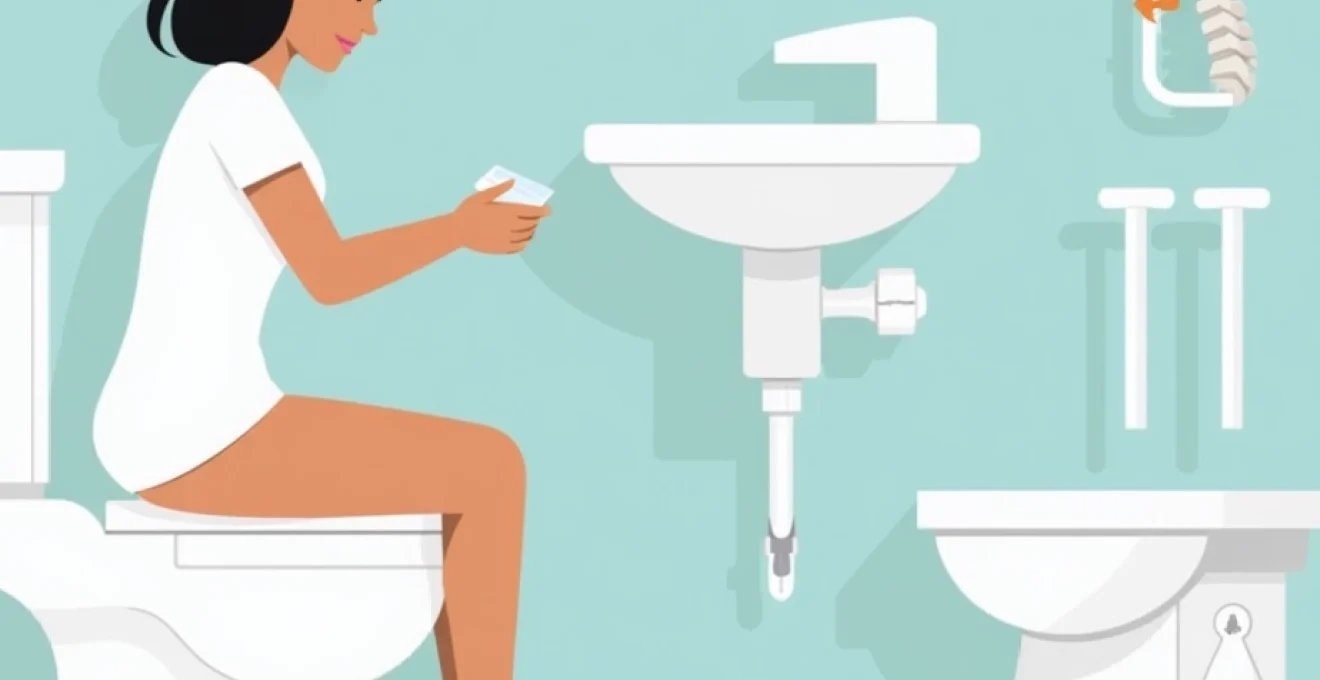
Recovering from spinal surgery presents numerous challenges, but perhaps none feels more daunting than managing basic personal hygiene tasks. The simple act of wiping after using the toilet becomes a complex procedure requiring careful planning, specialised equipment, and modified techniques. Post-surgical movement restrictions, pain levels, and the need to protect healing tissues transform routine bathroom visits into carefully orchestrated activities that demand both patience and preparation.
Understanding proper wiping techniques after back surgery isn’t merely about comfort—it’s essential for preventing complications, maintaining surgical site integrity, and ensuring a successful recovery. The stakes are particularly high during the initial healing phase, when improper movements can compromise surgical outcomes or lead to serious infections. By mastering safe wiping strategies and implementing appropriate adaptive tools, patients can maintain dignity and independence whilst protecting their healing spine.
Pre-wiping assessment and surgical site evaluation
Before attempting any personal hygiene activities following spinal surgery, conducting a thorough assessment of your specific surgical situation becomes paramount. Each type of back surgery presents unique challenges that directly impact how you should approach post-operative care routines. The location of your incision, the hardware implanted during surgery, and your surgeon’s specific movement restrictions all influence the safest methods for maintaining personal hygiene.
Identifying lumbar fusion hardware placement and movement restrictions
Lumbar fusion procedures typically involve the placement of metal rods, screws, or cages designed to stabilise specific vertebral segments. The precise location of this hardware determines which movements you must avoid during the critical healing period. Patients with L4-L5 fusions often face the most restrictive movement guidelines, as this area bears significant stress during bending and twisting motions. Understanding your hardware configuration helps you visualise internal structures that need protection during hygiene activities.
Movement restrictions following lumbar fusion surgery generally prohibit forward flexion beyond 60 degrees, lateral bending, and rotational movements for the first 6-12 weeks. These limitations directly impact traditional wiping techniques, which typically require significant spinal flexion and rotation. Your surgical team should provide specific movement guidelines that outline acceptable ranges of motion during different phases of recovery.
Evaluating spinal decompression recovery timeline for safe mobility
Decompression procedures, including laminectomy and foraminotomy, focus on relieving pressure from neural structures rather than stabilising vertebral segments. Recovery timelines for these procedures often permit earlier return to normal activities compared to fusion surgeries. However, the initial 2-4 weeks remain critical for preventing complications such as dural tear expansion or nerve irritation from excessive movement.
The timeline for safely resuming normal wiping techniques varies significantly based on the extent of decompression performed and individual healing rates. Single-level decompressions typically allow modified hygiene activities within the first week, whilst multi-level procedures may require extended periods of movement restriction. Monitoring your pain levels and neurological symptoms provides valuable feedback about your body’s readiness for increased activity.
Assessing posterior approach incision healing and infection risk factors
Most spinal surgeries utilise posterior approaches, creating incisions along the back that require meticulous care to prevent infection. The proximity of these incisions to areas involved in personal hygiene creates additional challenges during the wiping process. Surgical sites must remain clean and dry, particularly during the first two weeks when the risk of superficial infection peaks.
Factors that increase infection risk include diabetes, smoking, obesity, and prolonged surgical times. Patients with these risk factors require heightened vigilance during hygiene activities to prevent contamination of the surgical site. Understanding your personal risk profile helps determine the level of precaution needed during toilet activities and guides decisions about when to seek assistance from caregivers.
Understanding thoracolumbar brace requirements during personal care
Many patients receive thoracolumbar orthoses (TLSOs) or other spinal braces following surgery to provide additional stability during healing. These devices significantly impact your ability to perform hygiene tasks independently, as they limit trunk flexion and may extend below the waistline. Understanding how to work around your brace whilst maintaining its supportive function becomes essential for successful self-care.
Brace management during toileting requires careful planning to avoid compromising spinal alignment whilst ensuring adequate access for hygiene tasks. Some patients benefit from partial brace removal under controlled circumstances, whilst others must learn to work within the constraints of continuous brace wear. Your orthotist and surgical team can provide specific guidance about safe brace management during personal care activities.
Essential hygiene equipment and adaptive tools for Post-Operative care
Investing in appropriate adaptive equipment transforms challenging hygiene tasks into manageable activities that promote independence and confidence. The key lies in selecting tools that address your specific limitations whilst providing reliable performance when you need them most. Quality adaptive equipment serves as an extension of your natural reach and mobility, compensating for temporary restrictions without compromising safety or effectiveness.
Bottom buddy and Long-Handled wiping aids for limited reach scenarios
Long-handled wiping aids represent the most straightforward solution for patients who cannot reach adequately due to movement restrictions or pain. These devices typically feature ergonomic grips and soft, cushioned heads that hold toilet tissue securely whilst providing the extended reach necessary for thorough cleaning. The Bottom Buddy and similar products offer reliable performance and easy tissue release mechanisms that simplify the wiping process.
When selecting a wiping aid, consider factors such as handle length, grip comfort, and tissue retention design. Devices with longer handles provide greater reach but may prove unwieldy in confined bathroom spaces. Testing different models before surgery allows you to become familiar with their operation and identify the most suitable option for your specific needs and bathroom layout.
Proper technique with wiping aids involves loading the device with adequate toilet tissue, approaching from the most accessible angle, and using gentle, controlled movements to avoid excessive pressure on sensitive areas. The learning curve for these devices is typically minimal, but practising proper loading and release techniques ensures confidence when you need these tools most.
Bidet attachments and washlet systems for minimised physical strain
Bidet systems offer perhaps the most effective solution for post-surgical hygiene, virtually eliminating the need for complex reaching or positioning manoeuvres. Modern bidet attachments can be installed on existing toilets relatively easily and provide adjustable water pressure and temperature for comfortable cleaning. Advanced washlet systems integrate drying functions and heated seats that further enhance comfort during recovery.
The primary advantage of bidet systems lies in their ability to provide thorough cleaning without requiring any trunk movement or reaching. This makes them particularly valuable for patients with severe movement restrictions or those recovering from complex fusion procedures. Many patients find that bidet systems provide superior cleanliness compared to traditional wiping methods, which can be especially important when dealing with surgical site proximity concerns.
Installation considerations include electrical requirements for heated models, water pressure compatibility, and bathroom space constraints. Basic non-electric models offer excellent functionality at lower cost points, whilst premium electronic versions provide enhanced comfort features that many post-surgical patients appreciate during extended recovery periods.
Antiseptic wipes and barrier creams for surgical site protection
Maintaining surgical site integrity requires vigilant attention to preventing contamination during hygiene activities. Pre-moistened antiseptic wipes provide convenient cleansing options that reduce the risk of introducing harmful bacteria to healing incisions. These products offer controlled moisture content and antimicrobial properties that support infection prevention protocols.
Barrier creams create protective layers that help prevent moisture and bacteria from reaching vulnerable surgical sites. Application techniques must balance thorough coverage with gentle handling to avoid disrupting healing tissues. Your surgical team may recommend specific products based on your incision characteristics and personal risk factors for infection.
Raised toilet seats and grab bars for spinal alignment maintenance
Proper toilet height significantly impacts your ability to maintain safe spinal alignment during hygiene activities. Standard toilet seats often position patients in excessive hip flexion, which translates to increased lumbar flexion and potential stress on healing surgical sites. Raised toilet seats elevate seating position to reduce hip flexion angles and promote more neutral spinal positioning.
Grab bar placement requires careful consideration of your dominant hand, reach limitations, and transfer techniques. Properly positioned grab bars provide stability during position changes and can serve as anchor points for maintaining balance during wiping activities. Professional installation ensures adequate weight capacity and secure mounting that can safely support your full body weight during emergency situations.
Step-by-step wiping techniques for specific back surgery types
Different surgical procedures create unique challenges that require tailored approaches to post-operative hygiene. Understanding the specific limitations imposed by your particular surgery type enables you to develop effective strategies that work within your movement restrictions whilst maintaining thorough cleanliness. The key lies in adapting your technique to accommodate healing tissues and surgical hardware whilst achieving reliable results.
Discectomy recovery protocols and forward flexion limitations
Discectomy procedures typically impose strict forward flexion limitations during the initial 4-6 weeks of recovery to prevent reherniation of disc material. These restrictions significantly impact traditional wiping techniques, which often rely on forward leaning to access the perianal area effectively. Patients must learn to approach hygiene tasks from modified angles that avoid prohibited movements whilst maintaining thoroughness.
The recommended technique for discectomy patients involves maintaining an upright seated position whilst using adaptive tools to extend reach. Begin by positioning yourself centrally on the toilet seat with your feet firmly planted on the floor. Avoid any forward leaning motion that might compromise the healing disc space. Use a long-handled wiping aid loaded with adequate toilet tissue, approaching from a slightly lateral angle to access the target area without spinal flexion.
Patients recovering from discectomy procedures should practise the “log roll” technique for position adjustments, maintaining spinal alignment whilst shifting weight from one side to the other. This approach allows for thorough cleaning from multiple angles without violating movement restrictions. The technique requires patience and practise but becomes increasingly comfortable as healing progresses.
Laminectomy wound care integration during toileting procedures
Laminectomy procedures create surgical sites in close proximity to areas involved in personal hygiene, requiring heightened attention to preventing contamination during toileting activities. The posterior approach typically used for these procedures results in incisions that may extend into the lower lumbar region, creating potential pathways for bacterial migration during hygiene activities.
Wound care integration begins with proper positioning to minimise contamination risk. Patients should avoid any positioning that brings the surgical site into close proximity with potential sources of bacteria. Using barrier techniques such as protective coverings during hygiene activities provides additional protection for vulnerable incisions, particularly during the first two weeks when wound healing remains most critical.
The technique involves careful sequencing of hygiene activities to minimise exposure time and contamination risk. Begin with thorough hand sanitisation, followed by gentle positioning adjustments that maintain incision protection. Use high-quality toilet tissue or pre-moistened wipes to ensure thorough cleaning with minimal repetitive contact that might increase contamination risk.
Spinal stenosis surgery adaptations for nerve decompression protection
Spinal stenosis surgeries focus on relieving pressure from compressed neural structures, creating unique considerations for post-operative hygiene management. These procedures often involve extensive bone removal and soft tissue manipulation, resulting in areas of increased sensitivity that require gentle handling during personal care activities.
The decompressed nerve roots remain vulnerable to irritation from excessive movement or pressure during the initial healing phase. Patients must learn to recognise early signs of nerve irritation such as increased numbness, tingling, or radiating pain that might indicate excessive stress on healing neural structures. Hygiene techniques should prioritise gentle, controlled movements that avoid sudden position changes or excessive pressure application.
Adaptation strategies include using softer toilet tissue or pre-moistened wipes to reduce friction during cleaning, implementing rest breaks if prolonged sitting becomes uncomfortable, and modifying technique based on daily symptom fluctuations. Some patients benefit from alternating between different hygiene approaches based on their symptom severity on any given day.
Scoliosis correction hardware considerations during personal hygiene
Scoliosis correction procedures typically involve extensive hardware placement and significant realignment of spinal curvature, creating complex considerations for post-operative hygiene management. The extensive nature of these surgeries often results in longer incisions, multiple levels of hardware placement, and prolonged movement restrictions that significantly impact personal care abilities.
Hardware configuration in scoliosis correction often extends across multiple spinal segments, limiting overall spinal mobility more than single-level procedures. This extensive restriction requires comprehensive adaptation of hygiene techniques, often necessitating complete reliance on adaptive equipment during the initial recovery phase. Patients must develop patience and accept temporary dependence on assistive devices whilst their spine adapts to its new alignment and hardware stabilises.
The technique for scoliosis patients emphasises maintaining the spine in neutral alignment whilst using extended-reach tools for all hygiene activities. Position changes should be minimal and deliberate, avoiding any movements that might stress the extensive hardware array. Many patients find that bidet systems provide the most effective solution for maintaining cleanliness without compromising surgical outcomes.
Movement mechanics and spinal precautions during toileting
Understanding proper movement mechanics becomes crucial for preventing complications during post-surgical hygiene activities. Every position change, reaching motion, and weight shift must be executed with careful attention to spinal alignment and surgical precautions. The goal involves developing movement patterns that become second nature, ensuring consistent protection of healing tissues even when pain medications affect concentration or coordination.
The fundamental principle underlying safe movement mechanics involves maintaining neutral spinal alignment throughout all hygiene activities. This means avoiding the natural tendency to round the spine forward when reaching or to rotate the trunk when accessing different areas. Instead, patients must learn to use their hips and shoulders to generate necessary movements whilst keeping the spine stable and protected.
Proper weight distribution plays a critical role in maintaining safe positioning during toilet activities. Patients should focus on keeping their weight evenly distributed across both sitting bones whilst avoiding shifts that might stress healing surgical sites. This balanced approach provides stability whilst reducing localised pressure that could compromise circulation or healing tissues.
The sequence of movements during hygiene activities requires careful planning to minimise cumulative stress on healing structures. Begin with proper positioning, ensure all necessary equipment is within easy reach, and execute cleaning activities using smooth, controlled motions. Avoid rushed movements or sudden position changes that might compromise surgical site protection.
Breathing techniques support safe movement execution by maintaining core stability and reducing muscle tension that might interfere with proper mechanics. Practice diaphragmatic breathing throughout hygiene activities, coordinating breath patterns with movement sequences to promote relaxation and control. Proper breathing also helps manage anxiety that many patients experience when attempting challenging personal care tasks during recovery.
Recognising complications and when to seek medical intervention
Vigilant monitoring for potential complications during post-operative hygiene activities can prevent minor issues from developing into serious problems requiring medical intervention. The combination of surgical site vulnerability, movement limitations, and the inherent challenges of maintaining cleanliness creates multiple opportunities for complications to arise. Early recognition and appropriate response to warning signs significantly improve outcomes and prevent prolonged recovery setbacks.
Infection represents the most serious complication risk during post-surgical hygiene activities, with symptoms that may develop gradually or appear suddenly. Warning signs include increased redness around the incision site, unusual warmth or swelling, purulent drainage, or systemic symptoms such as fever and malaise. Any concerning changes in incision appearance warrant immediate medical evaluation, as surgical site infections can progress rapidly and threaten overall surgical outcomes.
Pain patterns that deviate from expected post-operative recovery trajectories may indicate mechanical complications or nerve irritation from improper movement during hygiene activities. Sudden increases in pain intensity, new radiating symptoms, or pain that worsens rather than improves over time require prompt medical assessment. Patients should maintain detailed pain logs that track symptom patterns in relation to specific activities, providing valuable diagnostic information for their medical team.
Patients must understand that seeking help for potential complications is not a sign of weakness but rather an essential component of responsible post-operative care that protects their long-term surgical outcomes.
Neurological changes such as new numbness, weakness, or altered sensation may indicate compression of neural structures from swelling, hematoma formation, or hardware malposition. These symptoms require urgent medical evaluation, as delayed treatment can result in permanent neurological deficits. Patients should perform regular neurological self-assessments and report any changes promptly to their surgical team.
Wound healing complications may manifest as delayed closure, excessive drainage, or separation of incision edges. These issues can develop despite careful hygiene practices and may require modification of activity restrictions or wound care protocols. Photographic documentation of
incision healing can provide valuable documentation for medical consultations if complications arise.
Long-term hygiene strategies and independence recovery timeline
The journey toward independent personal hygiene following spinal surgery requires patience, persistence, and realistic expectations about recovery timelines. Most patients experience gradual improvement in their ability to perform hygiene tasks over the course of several months, with significant milestones typically occurring at specific intervals post-surgery. Understanding these progression patterns helps set appropriate expectations and guides the transition from adaptive equipment to independent function.
The first phase of independence recovery, spanning weeks 1-6 post-surgery, focuses on establishing safe routines using adaptive equipment while protecting healing tissues. During this critical period, patients should prioritise consistency over speed, developing muscle memory for safe movement patterns that will serve as the foundation for future independence. The goal involves creating sustainable hygiene routines that can be performed reliably even when pain or fatigue levels fluctuate.
Weeks 6-12 typically mark the beginning of gradual equipment reduction as movement restrictions ease and confidence builds. Patients often find they can begin reducing reliance on certain adaptive tools while maintaining others that provide ongoing benefit. This transition period requires careful attention to body signals and willingness to temporarily return to more supportive equipment if symptoms worsen or new challenges arise.
The long-term phase, extending from 3-12 months post-surgery, involves fine-tuning techniques and addressing any persistent limitations that may require ongoing accommodation. Some patients discover that certain adaptive tools continue to provide value even after achieving functional independence, particularly during periods of increased activity or stress that might temporarily affect their capabilities.
Successful long-term hygiene management often involves developing contingency plans for various scenarios that may arise during recovery. These might include strategies for managing hygiene during travel, techniques for handling temporary setbacks or flare-ups, and methods for maintaining equipment and supplies. Building flexibility into your hygiene routine ensures continued success even when circumstances change or unexpected challenges arise.
The psychological aspects of regaining hygiene independence play a crucial role in overall recovery satisfaction and quality of life. Many patients experience significant emotional relief when they achieve their first successful independent toileting session, marking a major milestone in their recovery journey. This psychological boost often translates into increased motivation for other rehabilitation activities and improved overall outlook on the recovery process.
Remember that recovery is rarely linear, and temporary setbacks in hygiene independence are normal parts of the healing process rather than indicators of treatment failure or permanent limitation.
Technology continues to evolve in the adaptive equipment space, offering new solutions that may benefit patients with ongoing challenges or those seeking to optimise their long-term hygiene routines. Smart toilet systems with integrated bidet functions, voice-activated controls, and programmable settings represent emerging options that may provide enhanced independence for patients with complex or ongoing limitations.
Building relationships with healthcare providers who understand your specific surgical history and ongoing needs becomes increasingly important for long-term success. Regular follow-up appointments should include discussions about hygiene challenges and adaptive strategies, as these conversations often reveal opportunities for further optimisation or early identification of emerging issues that might benefit from intervention.
The investment in quality adaptive equipment and proper technique development during the initial recovery phase pays dividends throughout the entire healing process and beyond. Patients who thoroughly master safe hygiene techniques often find these skills transfer to other daily activities, improving overall functional independence and reducing long-term disability. The confidence gained through successful hygiene management creates a positive feedback loop that supports continued progress in all aspects of post-surgical recovery.