Hypertrophied anal papillae represent one of the most commonly encountered yet frequently misunderstood conditions in proctological practice. These benign tissue growths, which develop from the natural anatomical structures at the anal margin, affect approximately 50-60% of patients during routine examination. While many individuals may notice these small protrusions without experiencing any discomfort, others find themselves dealing with significant symptoms that can substantially impact their quality of life. Understanding the distinction between normal anal papillae and their hypertrophied counterparts is crucial for both patients and healthcare providers, as proper identification leads to appropriate treatment decisions and better outcomes.
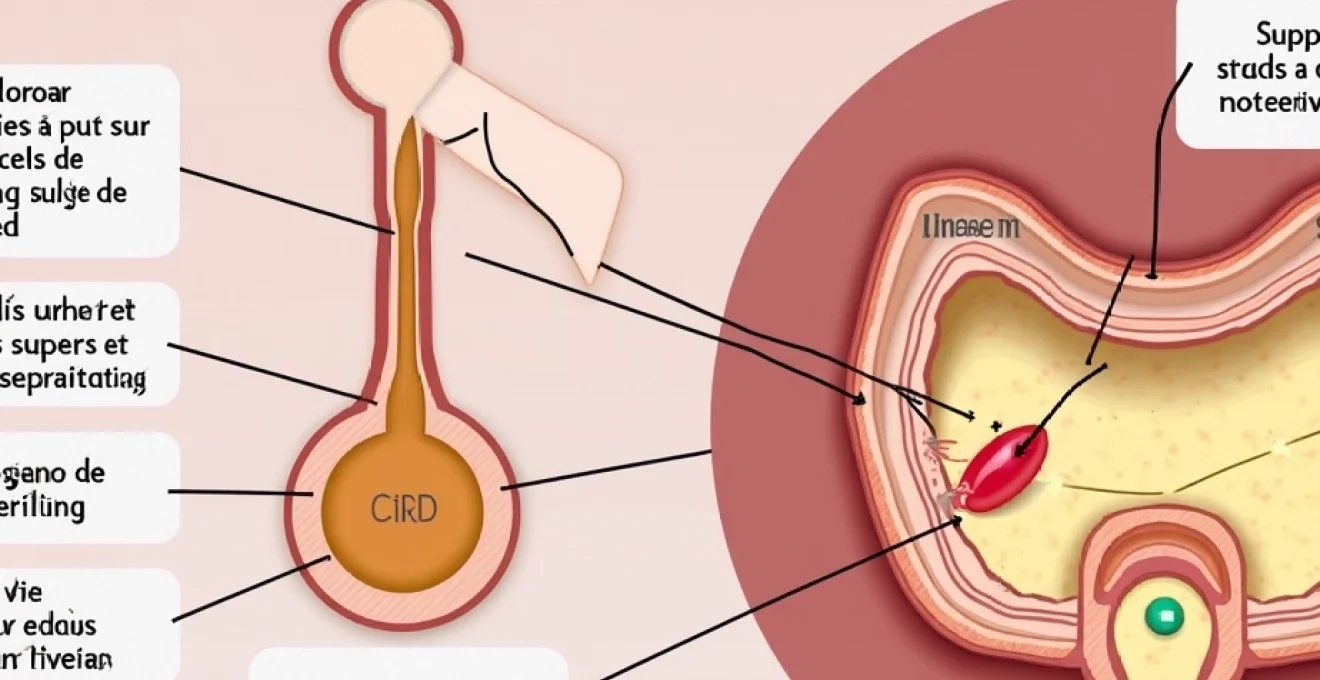
Anatomical structure and location of anal papillae in the anoderm
Anal papillae are naturally occurring structures that project upward from the dentate line, creating the essential anatomical boundary between the skin-lined anal canal and the mucosa of the rectum. These formations represent normal developmental features of the anorectal anatomy, serving as protective landmarks within the complex sphincteric mechanism. The papillae typically measure between 2-5 millimetres in height and possess a characteristic triangular or finger-like appearance when viewed during anoscopic examination.
Dentate line architecture and papillary formation mechanisms
The dentate line, also known as the pectinate line, serves as the critical anatomical demarcation where anal papillae originate. This zigzag structure derives its name from its tooth-like appearance, created by the natural indentations and projections of the papillae themselves. During embryological development, these formations arise from the interaction between endodermal and ectodermal tissues, creating the characteristic crenulated pattern that gives the dentate line its distinctive appearance under magnification.
The formation mechanisms involve complex cellular interactions between the stratified squamous epithelium and the underlying connective tissue matrix. These developmental processes ensure that each papilla maintains its structural integrity while providing the necessary flexibility for normal defecatory function. The papillae act as anatomical markers that help surgeons identify important structures during proctological procedures.
Normal anal papilla size parameters and baseline measurements
Standard anal papillae typically range from 1-3 millimetres in height, with a broad base that gradually tapers to a fibrous tip . The width at the base usually measures between 2-4 millimetres, creating a stable foundation that prevents excessive mobility during normal physiological activities. These measurements represent the normal anatomical variants found in healthy individuals without underlying inflammatory conditions.
When papillae exceed these dimensions, particularly reaching heights greater than 5 millimetres, they begin to classify as hypertrophied structures. The transformation from normal to hypertrophied involves gradual tissue proliferation, often triggered by chronic irritation or inflammatory processes. Understanding these baseline parameters helps clinicians distinguish between physiological variations and pathological enlargement requiring intervention.
Histological composition of squamous epithelium in papillary tissue
The microscopic architecture of anal papillae reveals a sophisticated arrangement of cellular components designed to withstand mechanical stress. The surface consists of keratinised stratified squamous epithelium , similar to the skin covering external surfaces. This protective layer provides resistance against chemical irritation from faecal matter and mechanical trauma during defecation.
Beneath the epithelial surface lies a supportive framework of fibrous connective tissue containing collagen fibres, elastin, and scattered inflammatory cells. This subepithelial layer houses blood vessels, nerve endings, and lymphatic channels that contribute to the papilla’s sensory function and inflammatory responses. The cellular composition can undergo significant changes during hypertrophic transformation, with increased fibroblast activity and collagen deposition becoming prominent features.
Vascular supply through the superior and inferior haemorrhoidal arteries
The blood supply to anal papillae derives from the rich vascular network formed by the superior, middle, and inferior haemorrhoidal arteries. This extensive circulation ensures adequate nutrition for tissue maintenance and repair processes. The superior haemorrhoidal artery, a terminal branch of the inferior mesenteric artery, provides the primary blood supply to the upper portions of the papillae.
The inferior haemorrhoidal arteries, branches of the internal pudendal artery, supply the lower aspects of the papillae and the surrounding anoderm. This dual vascular supply creates a robust circulation that supports rapid healing but also contributes to the development of inflammatory changes when papillae become irritated. Understanding the vascular anatomy is essential for surgical planning when excision becomes necessary.
Pathophysiology of anal papillae hypertrophy and inflammatory response
The transformation of normal anal papillae into hypertrophied structures involves complex pathophysiological mechanisms that centre around chronic inflammation and tissue remodelling. Multiple factors contribute to this process, including mechanical trauma, chemical irritation, and underlying disease states that affect the anorectal region. The inflammatory cascade begins with tissue injury, leading to the release of cytokines and growth factors that stimulate cellular proliferation and fibrotic changes.
Chronic irritation from haemorrhoidal disease and fissure formation
Haemorrhoidal disease represents one of the most significant contributors to anal papillae hypertrophy, creating a cycle of inflammation and tissue enlargement. When internal haemorrhoids prolapse, they cause mechanical trauma to the surrounding papillae during defecation. This repeated injury triggers an inflammatory response that leads to progressive tissue thickening and eventual hypertrophy.
Anal fissures compound this problem by creating additional sources of irritation and inflammation. The presence of fissures often results in sphincter spasm, which increases mechanical stress on the papillae during bowel movements. The combination of direct trauma and chemical irritation from inflamed tissues creates an environment conducive to papillary enlargement and symptom development.
Inflammatory bowel disease impact on papillary hyperplasia development
Inflammatory bowel diseases, particularly Crohn’s disease, significantly influence papillary hypertrophy through chronic mucosal inflammation and altered immune responses. The inflammatory mediators present in these conditions create a pro-growth environment that stimulates excessive tissue proliferation. Patients with Crohn’s disease often develop characteristic skin tags and papillary hyperplasia as part of their perianal manifestations.
The inflammatory process in IBD involves multiple cellular pathways that promote fibroblast activation and collagen synthesis. This leads to the formation of enlarged, fibrous papillae that may become symptomatic. The chronic nature of these inflammatory conditions means that papillary changes often persist despite medical treatment of the underlying disease.
Mechanical trauma from straining and defecation patterns
Excessive straining during defecation creates significant mechanical stress on anal papillae, leading to microtrauma and subsequent inflammatory responses. This process is particularly problematic in patients with chronic constipation who regularly experience prolonged straining efforts. The repeated mechanical forces cause tissue stretching and cellular damage that triggers reparative processes.
Hard stools compound the mechanical trauma by creating additional friction and pressure against the papillae during passage through the anal canal. The combination of straining and hard stool consistency creates optimal conditions for papillary injury and subsequent hypertrophy. Addressing these mechanical factors often forms a crucial component of conservative management strategies.
Fibrotic changes in subepithelial connective tissue matrix
The development of fibrotic changes represents the end stage of chronic inflammation in hypertrophied anal papillae. These changes involve excessive collagen deposition and tissue remodelling that creates the characteristic firm, fibrous texture of enlarged papillae. The fibrotic process results from prolonged activation of fibroblasts and myofibroblasts in response to chronic irritation.
Once established, fibrotic changes become largely irreversible through conservative measures alone. The altered tissue architecture loses its normal elasticity and becomes prone to further irritation and trauma. Understanding the fibrotic component of papillary hypertrophy helps explain why surgical intervention often becomes necessary for symptomatic cases.
Clinical presentation and symptomatology of hypertrophied anal papillae
The clinical presentation of hypertrophied anal papillae varies considerably depending on the degree of enlargement and associated inflammatory changes. Many patients initially notice small protrusions around the anal opening without experiencing significant symptoms. However, as papillae enlarge and become more prominent, they can produce a range of uncomfortable sensations that significantly impact daily activities and quality of life.
The most commonly reported symptoms include anal discomfort, itching, and a persistent burning sensation that often intensifies during and after defecation. Patients frequently describe a foreign body sensation , as though something is protruding from the anus, which can be particularly bothersome when sitting for extended periods. This sensation stems from the enlarged papillae extending beyond their normal anatomical position and creating mechanical irritation against clothing or seating surfaces.
Pain represents another significant symptom, particularly when the papillae become inflamed or traumatised. Unlike the sharp, intense pain associated with anal fissures, papillary pain tends to be more of a dull, aching sensation that persists for hours after bowel movements. The pain may worsen with prolonged sitting or physical activities that increase pressure in the anorectal region.
Tenesmus, the sensation of incomplete bowel evacuation, affects many patients with hypertrophied papillae. This symptom occurs because the enlarged tissue creates a sense of fullness or obstruction within the anal canal. Patients may feel compelled to strain or attempt additional bowel movements despite having completely emptied their rectum, leading to further irritation and potential complications.
Hygienic difficulties represent a practical concern that significantly affects patients’ daily lives. Enlarged papillae can trap faecal matter and moisture, making thorough cleaning challenging and potentially leading to bacterial overgrowth and odour problems. This situation often creates a cycle where increased cleaning efforts cause additional irritation, leading to further inflammation and symptom exacerbation.
Hypertrophied anal papillae create a persistent sense of anal fullness and discomfort that can significantly impact patients’ quality of life, particularly when conservative measures fail to provide adequate relief.
Differential diagnosis between papillary hypertrophy and anal neoplasms
Distinguishing between hypertrophied anal papillae and potentially malignant lesions requires careful clinical evaluation and, in some cases, histopathological examination. While anal papillae are invariably benign structures, their enlarged appearance can sometimes mimic other conditions that require different treatment approaches. Understanding the key differentiating features helps clinicians make accurate diagnoses and avoid unnecessary anxiety for patients.
Anal polyps represent the most common differential diagnosis, as they can appear similar to enlarged papillae during visual examination. However, several distinguishing features help differentiate these conditions. Polyps typically have a mucosa-covered surface that appears reddish or pink, while papillae maintain their characteristic pale, skin-like appearance. Polyps may bleed spontaneously or with minimal trauma, whereas papillae rarely bleed unless significantly traumatised.
The location and attachment patterns also differ significantly between these structures. Papillae arise specifically from the dentate line and maintain a broad-based attachment, while polyps can develop anywhere within the anal canal or rectum and often have a more pedunculated appearance. Palpation reveals that papillae feel firm and fibrous, while polyps tend to be softer and more mobile.
Condylomata acuminata, caused by human papillomavirus infection, can sometimes be confused with papillary hypertrophy, particularly when multiple small lesions are present. However, condylomata typically have a more cauliflower-like appearance with irregular surfaces, while papillae maintain a smoother, more uniform texture. The distribution pattern also differs, with condylomata often extending beyond the anal margin onto the perianal skin.
When clinical examination cannot definitively distinguish between papillary hypertrophy and other lesions, excisional biopsy provides the definitive diagnostic approach. This procedure not only removes the concerning tissue but also allows for complete histopathological evaluation to rule out malignancy. The microscopic examination of papillae reveals characteristic features of hyperplastic squamous epithelium without evidence of dysplasia or malignant transformation.
Skin tags represent another common finding that may be confused with hypertrophied papillae. These structures typically develop following resolution of external haemorrhoids and consist of redundant skin folds. Unlike papillae, skin tags are usually softer, more mobile, and located external to the anal verge rather than at the dentate line.
Conservative management protocols and pharmacological interventions
Conservative management represents the first-line approach for patients with symptomatic hypertrophied anal papillae, particularly when symptoms are mild to moderate in severity. The primary goals of conservative treatment include reducing inflammation, preventing further irritation, and promoting tissue healing to minimise symptoms. These approaches can provide significant relief for many patients while avoiding the risks and costs associated with surgical intervention.
Topical corticosteroid applications using hydrocortisone preparations
Topical corticosteroids form the cornerstone of anti-inflammatory treatment for hypertrophied anal papillae, with hydrocortisone preparations being the most commonly prescribed formulations. These medications work by suppressing local inflammatory responses and reducing tissue swelling that contributes to symptoms. Hydrocortisone 1% cream or ointment applied twice daily to the affected area can provide significant symptom relief within days of initiation.
The mechanism of action involves binding to glucocorticoid receptors within inflammatory cells, leading to decreased production of inflammatory mediators such as prostaglandins and leukotrienes. This anti-inflammatory effect helps reduce the erythema and oedema that often accompany papillary hypertrophy, providing relief from pain and discomfort.
Higher-potency corticosteroids may be considered for severe inflammatory reactions, but their use requires careful monitoring due to increased risk of skin atrophy and systemic absorption. Treatment duration should be limited to avoid potential complications, with most patients experiencing maximum benefit within 2-4 weeks of consistent application.
High-fibre dietary modifications and psyllium husk supplementation
Dietary modifications play a crucial role in conservative management by addressing the underlying mechanical factors that contribute to papillary irritation. Increasing dietary fibre intake to 25-35 grams daily helps create softer, more formed stools that reduce trauma during defecation. This approach addresses one of the primary mechanical causes of papillary inflammation and prevents further tissue damage.
Psyllium husk supplementation provides an effective means of achieving adequate fibre intake when dietary modifications alone prove insufficient. Starting with 5-10 grams daily and gradually increasing to 15-20 grams helps avoid gastrointestinal side effects while promoting optimal stool consistency. The mucilaginous properties of psyllium create a protective coating that can reduce friction during bowel movements.
Adequate hydration becomes essential when increasing fibre intake, with patients requiring at least 8-10 glasses of water daily to prevent paradoxical constipation. The combination of increased fibre and proper hydration creates ideal conditions for effortless defecation that minimises stress on hypertrophied papillae.
Sitz bath therapy with epsom salt solutions
Sitz bath therapy provides symptomatic relief while promoting tissue healing through improved local circulation and gentle cleansing effects. Warm water temperatures between 37-40°C create vasodilation that enhances blood flow to the affected tissues, supporting natural healing processes. The addition of Epsom salts (magnesium sulfate) provides mild anti-inflammatory benefits and helps maintain proper tissue hydration.
Treatment protocols typically recommend 10-15 minute sessions performed 2-3 times daily, particularly after bowel movements. This timing helps remove irritating residues while providing immediate symptom relief. The warm water also helps relax the anal sphincter, reducing spasm and associated discomfort that can exacerbate papillary inflammation.
Some patients benefit from the addition of other therapeutic agents to sitz bath solutions, such as povidone-iodine for antimicrobial effects or witch hazel for its astringent properties. However, these additions should be used cautiously to avoid potential sensitisation reactions in the already inflamed tissue.
Anti-inflammatory medications including mesalazine for IBD cases
Systemic anti-inflammatory medications may be necessary for patients with
underlying inflammatory bowel disease, where papillary hypertrophy represents part of a broader inflammatory process. Mesalazine (5-aminosalicylic acid) demonstrates particular efficacy in these cases, providing targeted anti-inflammatory effects within the intestinal mucosa. The medication works by inhibiting cyclooxygenase and lipoxygenase pathways, reducing local production of inflammatory mediators.
For IBD-related papillary hypertrophy, mesalazine can be administered topically as suppositories or foam preparations, delivering high local concentrations while minimising systemic exposure. Dosing typically ranges from 1-4 grams daily, depending on disease severity and patient response. The targeted delivery mechanism allows for sustained anti-inflammatory effects directly at the site of pathology.
Oral NSAIDs may provide symptomatic relief for acute inflammatory episodes, but their use requires caution due to potential gastrointestinal side effects. Short-term courses of ibuprofen or naproxen can help manage pain and inflammation, particularly when combined with topical treatments. However, prolonged use should be avoided due to risks of gastric irritation and cardiovascular complications.
Surgical excision techniques and proctological interventions
Surgical intervention becomes necessary when conservative management fails to provide adequate symptom relief or when papillae reach sizes that significantly impair anal function. The decision to proceed with surgery requires careful consideration of symptom severity, impact on quality of life, and patient preference for definitive treatment. Modern surgical techniques offer excellent outcomes with minimal complications when performed by experienced proctologists.
Simple excision represents the most straightforward surgical approach for isolated hypertrophied papillae. This procedure involves careful dissection at the base of the papilla, preserving surrounding healthy tissue while ensuring complete removal. Local anaesthesia with lignocaine and adrenaline provides adequate anaesthesia while minimising bleeding through vasoconstriction. The excision should extend to the level of the dentate line to prevent recurrence while avoiding damage to the underlying sphincter mechanism.
Electrocautery techniques offer advantages in terms of haemostasis and reduced operative time compared to traditional cold excision methods. The use of monopolar or bipolar diathermy allows for precise tissue removal while simultaneously sealing blood vessels, reducing postoperative bleeding risk. However, careful technique is essential to avoid excessive tissue destruction that could lead to delayed healing or anal stenosis.
When hypertrophied papillae are associated with internal haemorrhoids, combined procedures provide optimal outcomes by addressing all pathological elements simultaneously. Haemorrhoidectomy with papillary excision can be performed using various techniques, including the Milligan-Morgan open method or the Ferguson closed technique. This approach prevents the need for multiple procedures while ensuring comprehensive treatment of the underlying pathology.
Laser excision represents an advanced technique that offers precise tissue removal with excellent haemostatic control. CO2 laser systems provide the advantage of minimal thermal damage to surrounding tissues, potentially reducing postoperative pain and promoting faster healing. However, the technique requires specialised equipment and training, limiting its availability to specialised centres.
The radiofrequency ablation technique has gained popularity due to its ability to remove hypertrophied papillae with minimal tissue trauma. This method uses controlled thermal energy to achieve precise tissue removal while preserving surrounding structures. The procedure can be performed under local anaesthesia and typically results in rapid healing times with excellent patient satisfaction rates.
Postoperative care following papillary excision focuses on preventing complications and promoting optimal healing. Patients should maintain strict anal hygiene with gentle cleansing after each bowel movement. Sitz baths remain beneficial during the healing period, providing comfort and promoting tissue repair. Stool softeners help prevent trauma to the healing tissue during defecation.
Most patients experience resolution of symptoms within 2-4 weeks following surgical excision, though complete healing may take up to 6-8 weeks. Follow-up appointments allow monitoring of healing progress and early identification of potential complications such as infection or delayed wound healing. The vast majority of patients report significant improvement in their quality of life following successful surgical intervention.
Recurrence rates following complete excision remain low, typically less than 5% when the underlying inflammatory process has been adequately addressed. However, patients with ongoing predisposing factors such as chronic constipation or inflammatory bowel disease require long-term management to prevent redevelopment of papillary hypertrophy. Regular proctological follow-up ensures early detection and treatment of any recurrent symptoms.