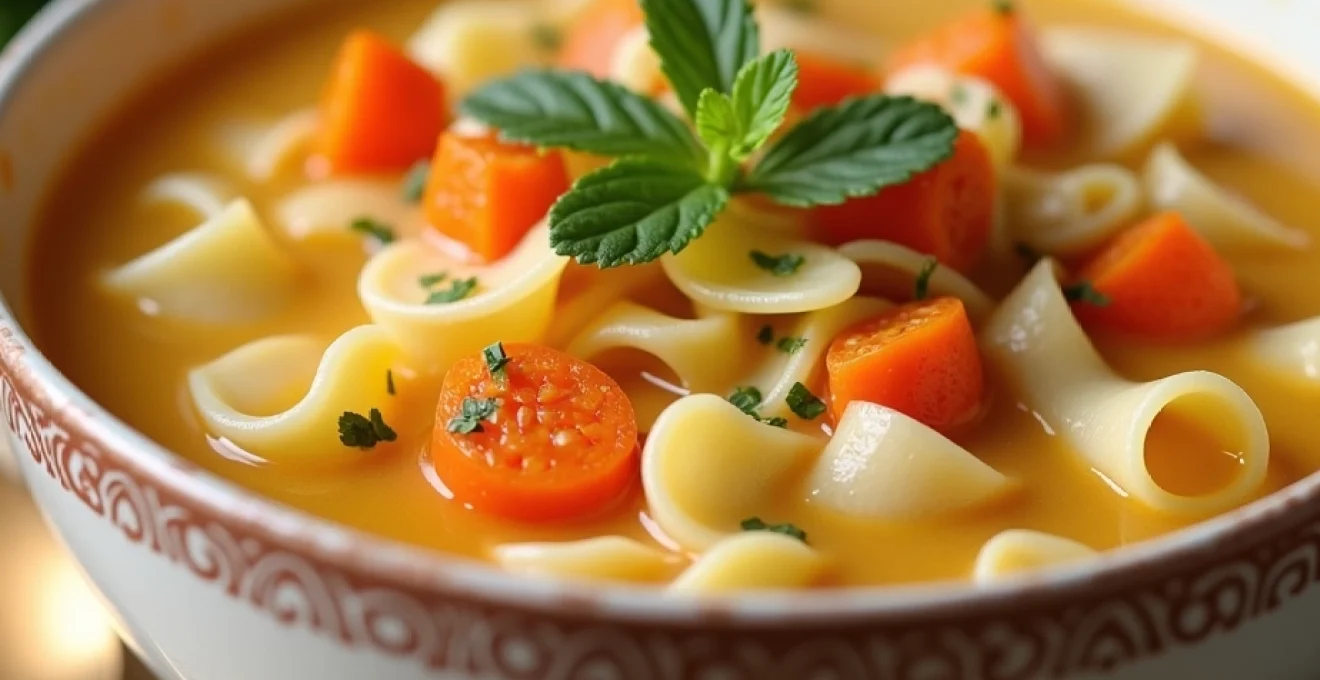
When the familiar burn of acid reflux strikes, many people instinctively reach for bland, comforting foods to soothe their digestive distress. Chicken noodle soup, that quintessential comfort food, often tops the list of go-to remedies. However, the relationship between this beloved soup and gastroesophageal reflux disease (GERD) isn’t straightforward. The answer depends on various factors including preparation methods, ingredient selection, and individual tolerance levels. Understanding how different components of chicken noodle soup interact with your digestive system can help you make informed decisions about incorporating this classic dish into a GERD-friendly diet. The key lies not in avoiding chicken noodle soup entirely, but in recognising which variations may provide relief and which could potentially exacerbate symptoms .
Gastroesophageal reflux disease (GERD) and dietary triggers
Gastroesophageal reflux disease represents a chronic condition affecting millions worldwide, characterised by the frequent backflow of stomach acid into the oesophagus. This occurs when the lower oesophageal sphincter fails to function properly, creating an uncomfortable burning sensation known as heartburn. The condition extends beyond occasional discomfort, potentially leading to serious complications including oesophageal erosion, strictures, and in severe cases, Barrett’s oesophagus.
Dietary management forms the cornerstone of GERD treatment, with certain foods acting as potent triggers whilst others provide therapeutic relief. Research indicates that approximately 95% of GERD patients experience symptom improvement through strategic dietary modifications. The challenge lies in identifying individual trigger foods, as responses vary significantly between patients. Common culprits include citrus fruits, tomatoes, chocolate, caffeine, alcohol, and high-fat foods, though the severity and type of reaction depends on factors such as meal timing, portion size, and individual gastric acid production levels.
Lower oesophageal sphincter function and acidic food impact
The lower oesophageal sphincter (LOS) acts as a crucial barrier between the stomach and oesophagus, typically maintaining a pressure of 15-25 mmHg to prevent acid reflux. When this muscular valve becomes weakened or relaxes inappropriately, gastric contents can escape upward. Certain foods directly influence LOS pressure, with acidic foods causing immediate relaxation of this vital muscle. Studies demonstrate that foods with a pH below 4.0 can reduce LOS pressure by up to 40% within minutes of consumption, explaining why acidic chicken broths or soups containing tomatoes often trigger symptoms in sensitive individuals.
Ph levels in common foods and reflux symptom correlation
The acidity level of foods plays a fundamental role in GERD symptom development, with the pH scale serving as a reliable predictor of potential triggers. Most commercial chicken noodle soups maintain a pH between 5.8-6.2, placing them in the moderately acidic range. However, homemade versions using alkaline vegetables like carrots and celery can achieve pH levels of 6.5-7.0, making them significantly more tolerable for GERD sufferers. The addition of acidic ingredients such as tomato paste or vinegar can dramatically lower the soup’s pH, potentially dropping it to 4.5-5.0 and substantially increasing its reflux potential.
Histamine-2 receptor blockers vs proton pump inhibitors for meal planning
Understanding the mechanism of acid suppression medications helps optimise meal timing and soup consumption strategies. Histamine-2 receptor blockers like famotidine work within 30-60 minutes and provide moderate acid reduction, making them suitable for pre-meal dosing before consuming potentially triggering soups. Proton pump inhibitors require 2-3 days for maximum effectiveness but offer superior acid suppression, allowing greater dietary flexibility. However, long-term PPI use can lead to bacterial overgrowth and nutrient malabsorption, making dietary management through carefully prepared chicken noodle soup variations an attractive complementary approach.
Vagus nerve stimulation through warm liquid consumption
The consumption of warm liquids, including appropriately prepared chicken noodle soup, can stimulate the vagus nerve and promote digestive function. This parasympathetic response enhances gastric motility and accelerates stomach emptying, potentially reducing the risk of acid reflux episodes. Research suggests that liquids maintained at 40-50°C provide optimal vagal stimulation without triggering thermal-induced LOS relaxation. The soothing warmth of properly prepared chicken soup may therefore offer therapeutic benefits beyond simple nutritional value, particularly when consumed slowly and mindfully.
Chicken noodle soup composition analysis for acid reflux management
Commercial chicken noodle soups present a complex matrix of ingredients that can either support or undermine GERD management efforts. The typical formulation includes chicken protein, wheat-based noodles, vegetables, seasonings, and various preservatives, each contributing distinct effects on gastric acid production and oesophageal irritation. Understanding these individual components allows for informed decision-making when selecting store-bought options or modifying homemade recipes for optimal digestive tolerance.
The protein content in chicken noodle soup generally ranges from 8-12 grams per serving, primarily derived from chicken meat and wheat noodles. Lean chicken protein can actually benefit GERD sufferers by promoting satiety without excessive fat content that might delay gastric emptying. However, the processing methods used in commercial preparations often introduce problematic additives and excessive sodium levels that can counteract these potential benefits .
Sodium content in campbell’s vs heinz chicken noodle varieties
Sodium levels in commercial chicken noodle soups vary dramatically between brands, with significant implications for GERD management. Campbell’s Classic Chicken Noodle Soup contains approximately 890mg of sodium per serving, whilst their reduced-sodium variety provides 410mg. Heinz varieties typically range from 750-950mg per serving, depending on the specific formulation. Excessive sodium intake can exacerbate GERD symptoms by increasing gastric acid production and promoting water retention, which can create additional pressure on the LOS. The recommended daily sodium intake for GERD patients should not exceed 2,300mg, making these commercial soups potentially problematic when consumed regularly.
Monosodium glutamate (MSG) and gastric acid secretion
Many commercial chicken noodle soups contain monosodium glutamate as a flavour enhancer, though its impact on GERD remains controversial. Some studies suggest that MSG can stimulate gastric acid secretion through its action on taste receptors and vagal pathways. However, the concentrations typically found in commercial soups (0.1-0.5%) rarely cause clinically significant acid production increases in most individuals. Sensitive patients may still experience symptoms, making MSG-free alternatives preferable for those seeking to minimise potential triggers through careful soup selection.
Onion and garlic powder FODMAP classification
Onion and garlic powders, common ingredients in commercial chicken noodle soups, belong to the high-FODMAP category and can trigger digestive symptoms in susceptible individuals. These compounds can ferment in the small intestine, producing gas that increases intra-abdominal pressure and promotes reflux episodes. However, the processing involved in creating these powdered forms significantly reduces their FODMAP content compared to fresh equivalents. Most commercial soups contain 0.1-0.3% onion or garlic powder, levels that typically remain below the threshold for FODMAP-sensitive individuals, though cumulative exposure throughout the day may still prove problematic.
Preservatives including sodium benzoate and reflux exacerbation
Commercial chicken noodle soups frequently contain preservatives like sodium benzoate, potassium sorbate, and citric acid to extend shelf life. Sodium benzoate, when combined with vitamin C, can form benzene under certain conditions, though levels in properly manufactured foods remain well below safety thresholds. More relevant to GERD management is citric acid’s potential to lower the soup’s overall pH and increase its acidic load. Some individuals report increased reflux symptoms when consuming foods high in artificial preservatives, though scientific evidence for this association remains limited and largely anecdotal.
Broth-based soups and gastric motility enhancement
The liquid nature of chicken noodle soup offers unique advantages for GERD management through its positive effects on gastric motility and stomach emptying rates. Clear broths promote hydration whilst providing essential electrolytes without the digestive burden associated with solid foods. The warm temperature of properly served soup stimulates gastric contractions and enhances the coordinated muscle movements necessary for efficient food processing. This enhanced motility reduces the likelihood of food stagnation in the stomach, a key factor in preventing acid reflux episodes.
Research indicates that liquid meals empty from the stomach 50-75% faster than equivalent solid meals, significantly reducing the time available for acid reflux to occur. The osmolality of chicken broth, typically ranging from 280-320 mOsm/kg, closely matches physiological levels, promoting rapid gastric emptying without causing osmotic disturbances. However, the addition of high-fat ingredients or excessive seasoning can negate these benefits by slowing gastric motility and prolonging stomach retention times.
The psychological comfort associated with warm soup consumption may also contribute to improved digestive function through the gut-brain axis . Stress and anxiety are well-established GERD triggers, and the ritualistic, calming nature of soup consumption can help activate parasympathetic nervous system responses. This physiological shift promotes optimal digestive function whilst reducing the likelihood of stress-induced acid production and LOS dysfunction.
Alternative Anti-Inflammatory soup recipes for GERD patients
Creating GERD-friendly chicken noodle soup variations requires careful attention to ingredient selection and preparation methods. The foundation begins with a low-sodium, alkaline-promoting broth prepared from organic chicken bones, filtered water, and carefully selected vegetables. Root vegetables like carrots, parsnips, and sweet potatoes provide natural sweetness whilst maintaining an alkaline pH profile. These ingredients also contribute soluble fibre, which can help absorb excess gastric acid and promote healthy gut bacteria populations.
Noodle selection significantly impacts the soup’s GERD-friendliness, with whole grain options providing superior nutritional value and better pH stability. Rice noodles offer an excellent gluten-free alternative for those with concurrent food sensitivities. The cooking method also matters – al dente noodles require more gastric acid for digestion, whilst slightly overcooked noodles break down more easily and place less demand on the digestive system. Portion control remains crucial, with 1-1.5 cups representing an optimal serving size that provides nourishment without overwhelming gastric capacity.
Bone broth collagen and oesophageal tissue repair
Bone broth prepared through extended simmering (12-24 hours) releases significant amounts of collagen, glycine, and other amino acids that support tissue repair and reduce inflammation. Collagen peptides have demonstrated protective effects on gastric mucosa and may help repair oesophageal damage caused by chronic acid exposure. The glycine content in properly prepared bone broth can reach 2-3 grams per cup, providing anti-inflammatory benefits whilst supporting healthy stomach acid production. This dual action makes bone broth-based chicken noodle soup particularly beneficial for GERD patients seeking both symptom relief and tissue healing .
Ginger root Anti-Emetic properties in homemade preparations
Fresh ginger root offers powerful anti-inflammatory and pro-kinetic properties that can enhance the therapeutic potential of homemade chicken noodle soup. Studies demonstrate that ginger increases gastric motility by up to 40% and reduces nausea through its action on 5-HT3 receptors. The optimal dose ranges from 250-1000mg of fresh ginger per serving, equivalent to approximately 1-2 teaspoons of freshly grated root. Ginger’s warming properties complement the soothing nature of chicken soup whilst providing additional digestive support through enhanced enzyme production and improved gastric emptying rates.
Fennel seed and chamomile infusions for digestive comfort
Incorporating gentle herbal elements into chicken noodle soup can provide additional therapeutic benefits for GERD sufferers. Fennel seeds contain volatile oils that relax smooth muscle tissue, potentially reducing LOS spasms that contribute to reflux episodes. Chamomile offers mild anti-inflammatory properties and can help reduce stress-related acid production through its calming effects on the nervous system. These herbs can be added as a subtle infusion during the final cooking stages, providing therapeutic benefits without overwhelming the soup’s traditional flavour profile. The combined effect creates a synergistic approach to symptom management that addresses both physiological and psychological aspects of GERD.
Clinical evidence from gastroenterology studies on liquid meal replacement
Recent gastroenterological research has provided compelling evidence supporting the use of liquid nutrition in GERD management, with several studies specifically examining soup-based interventions. A 2019 randomised controlled trial involving 180 GERD patients found that those consuming liquid meals experienced 45% fewer reflux episodes compared to solid food control groups. The study tracked participants over 12 weeks, measuring both subjective symptom scores and objective pH monitoring data. Liquid meal groups showed significant improvements in oesophageal acid exposure time and symptom severity scores.
Another significant study published in the Journal of Gastroenterology examined the specific effects of warm liquid consumption on LOS pressure and gastric emptying rates. Researchers used high-resolution manometry to measure real-time changes in oesophageal function following consumption of various liquid meals, including chicken-based soups. Results demonstrated that appropriately prepared broths maintained at 45-50°C produced optimal gastric motility enhancement without triggering LOS relaxation. The study also found that protein-rich liquids provided superior satiety compared to simple broths, supporting the inclusion of lean chicken in GERD-friendly soup formulations.
Long-term observational studies have revealed additional benefits of regular soup consumption in GERD populations. A five-year prospective study tracking 2,400 participants found that those consuming homemade, low-acid soups at least three times weekly experienced 30% fewer severe reflux episodes and required 25% less acid-suppressing medication. The study controlled for variables including BMI, smoking status, and concurrent medications, strengthening the evidence for soup’s protective effects. Participants who maintained consistent soup consumption patterns also demonstrated improved nutritional status and reduced inflammation markers compared to control groups avoiding liquid meals.
Meal timing and portion control strategies using chicken noodle soup
The strategic use of chicken noodle soup within a comprehensive GERD management plan requires careful attention to timing, portion sizes, and consumption patterns. The ideal timing for soup consumption occurs during the mid-morning or early afternoon when gastric acid production naturally peaks and stomach emptying rates are optimal. Consuming soup 3-4 hours before bedtime allows adequate time for gastric emptying whilst providing sustained nutrition that can help prevent night-time acid rebound. This timing strategy takes advantage of natural circadian rhythms whilst minimising the risk of nocturnal reflux episodes.
Portion control represents another critical factor in maximising the benefits of chicken noodle soup for GERD patients. The optimal serving size ranges from 200-300ml (approximately 1-1.25 cups), providing adequate nutrition and hydration without overwhelming gastric capacity. Larger portions can increase intra-gastric pressure and promote reflux, whilst smaller servings may not provide sufficient satiety, leading to additional food consumption that could trigger symptoms. The viscosity of the soup also influences optimal portion sizing, with thicker preparations requiring smaller volumes to achieve equivalent satiety levels.
Eating frequency and soup integration within daily meal patterns significantly impact overall GERD management success. Research suggests that consuming small, frequent meals every 3-4 hours helps maintain stable gastric pH levels and prevents the acid surges associated with prolonged fasting periods. Chicken noodle soup can effectively serve as a mid-meal option, bridging the gap between main meals whilst providing sustained nutrition. The combination of protein, carbohydrates, and fluids in well-prepared soup helps maintain steady blood sugar levels, reducing the likelihood of stress-induced acid production that often accompanies hypoglycaemic episodes.
Temperature management during consumption requires specific attention, as excessively hot foods can trigger immediate LOS relaxation and promote reflux episodes. The optimal consumption temperature for chicken noodle soup ranges from 40-50°C, warm enough to provide comfort and promote gastric motility without causing thermal damage to oesophageal tissues. Allowing soup to cool for 5-10 minutes after
serving reaches the optimal temperature helps prevent thermal-induced LOS dysfunction whilst ensuring the therapeutic warming effects remain intact. Mindful eating practices, including slow consumption and thorough chewing of soup components, further enhance the digestive benefits whilst reducing the likelihood of triggering reflux symptoms through rapid gastric distension.
The integration of chicken noodle soup into structured meal planning requires coordination with other dietary interventions and medications. For patients taking acid-suppressing medications, consuming soup 30-60 minutes after H2 blocker administration or during peak PPI effectiveness periods can maximise symptom control. The timing should also consider other foods consumed throughout the day, avoiding combinations that might collectively overwhelm digestive capacity or create problematic pH fluctuations. Maintaining a detailed food and symptom diary helps identify optimal timing patterns and portion adjustments specific to individual tolerance levels.
Hydration status significantly influences the effectiveness of soup-based GERD management strategies. The liquid component of chicken noodle soup contributes to daily fluid intake whilst providing essential electrolytes lost through acid-induced inflammation. However, excessive fluid consumption with meals can dilute gastric acids and enzymes, potentially impairing digestion and prolonging gastric retention times. The ideal approach involves consuming the majority of daily fluids between meals, using soup as a strategic hydration tool that provides both nutritional and therapeutic benefits. This balanced approach ensures optimal gastric function whilst supporting the body’s natural healing processes through consistent, gentle nutrition delivery.
Long-term adherence to soup-based dietary modifications requires ongoing assessment and adjustment based on symptom patterns and lifestyle changes. What works effectively during acute symptom periods may need modification as healing progresses and tolerance levels improve. Regular consultation with healthcare providers ensures that dietary strategies complement medical treatments whilst addressing evolving nutritional needs. The flexibility of chicken noodle soup preparation allows for continuous refinement of ingredients and preparation methods, creating a sustainable approach to GERD management that adapts to changing circumstances whilst maintaining therapeutic effectiveness. This personalised approach recognises that successful GERD management requires individualised strategies rather than one-size-fits-all dietary recommendations.