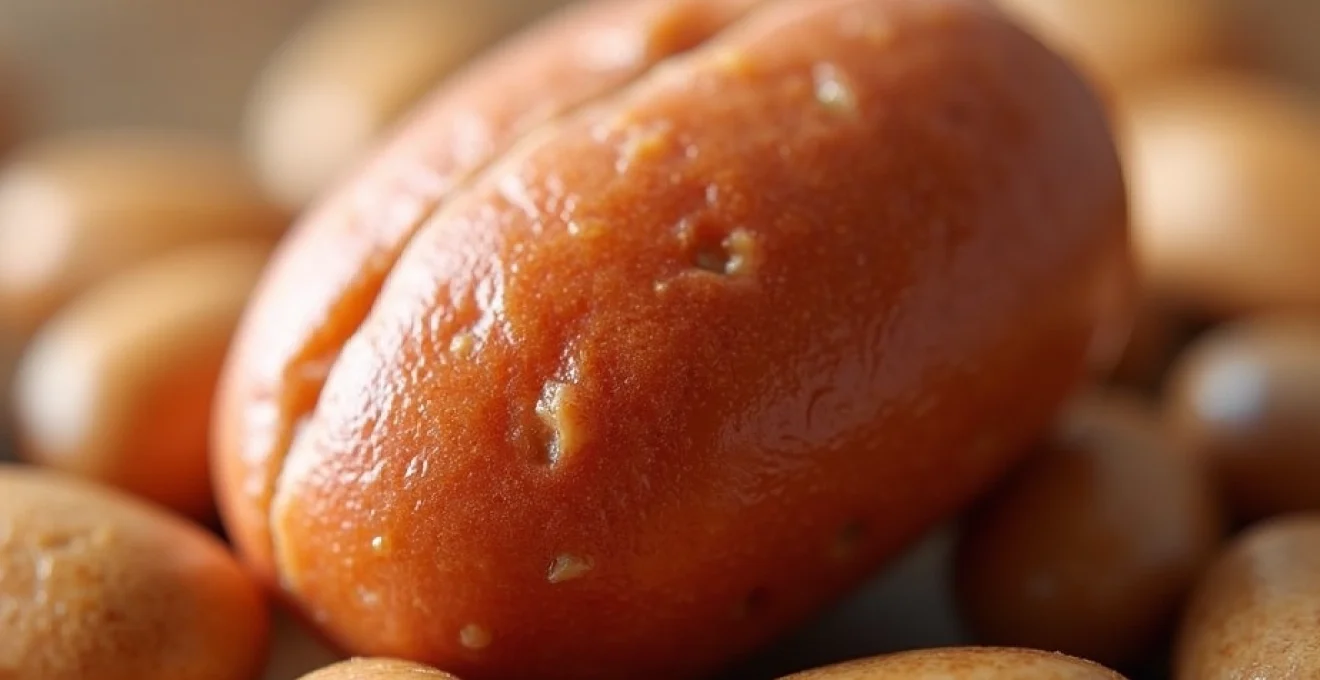
Discovering kidney bean-shaped objects in your stool can be both alarming and puzzling. While the appearance of undigested food particles in faecal matter is often harmless, certain presentations may indicate underlying digestive disorders that require medical attention. The human digestive system typically breaks down most food components efficiently, but various factors can interfere with this process, leading to intact or partially digested food remnants appearing in bowel movements.
Understanding the potential causes behind these kidney bean-like formations helps distinguish between normal digestive variations and conditions requiring intervention. From simple dietary factors to complex pancreatic disorders, the presence of legume-shaped objects in stool encompasses a spectrum of possibilities that merit careful consideration and appropriate medical evaluation when necessary.
Undigested food particles: legume fragments in faecal matter
The most common explanation for kidney bean-shaped objects in stool involves actual legume fragments that have passed through the digestive tract without complete breakdown. Beans, particularly kidney beans, possess robust cellular structures and protective seed coats that can resist digestive processes under certain circumstances. These hardy plant materials often maintain their distinctive shape even after exposure to gastric acid and intestinal enzymes.
Phaseolus vulgaris seed coat remnants after insufficient mastication
Inadequate chewing represents a primary factor in the appearance of intact bean particles in stool. When you consume kidney beans without thorough mastication, the tough outer seed coat remains largely intact, protecting the inner cotyledons from digestive enzymes. This protective barrier consists of cellulose and other complex carbohydrates that human digestive systems cannot effectively break down. The result is the passage of recognisable bean-shaped fragments through the entire gastrointestinal tract.
Proper chewing typically breaks down the seed coat sufficiently to allow digestive enzymes access to the softer interior components. However, hurried eating habits or dental problems can compromise this mechanical breakdown process. The importance of thorough mastication extends beyond mere courtesy – it serves as the crucial first step in the digestive cascade that determines how effectively your body processes complex plant materials.
Partially digested kidney bean hulls following rapid transit time
Accelerated intestinal transit can prevent complete digestion of kidney beans, even when properly chewed. Normal digestion requires sufficient contact time between food particles and digestive enzymes. When intestinal contents move too quickly through the small intestine, enzyme activity becomes inadequate for complete protein and carbohydrate breakdown. This phenomenon particularly affects fibrous foods like legumes, which require extended enzyme exposure for thorough digestion.
Rapid transit times often result from dietary factors, stress, or underlying gastrointestinal conditions. The typical small intestinal transit time ranges from three to five hours , providing adequate opportunity for enzyme action under normal circumstances. However, when this timeline is compressed, even well-masticated kidney beans may appear as recognisable fragments in stool.
Intact legume cotyledons in patients with pancreatic enzyme deficiency
Pancreatic enzyme insufficiency can result in the appearance of intact kidney bean components in faecal matter. The pancreas produces essential digestive enzymes including amylase for carbohydrate breakdown, lipase for fat digestion, and various proteases for protein hydrolysis. When pancreatic function is compromised, these enzymes become insufficient for complete food breakdown, particularly affecting protein-rich foods like legumes.
Patients with pancreatic enzyme deficiency often pass undigested food particles regularly, not just occasionally. The kidney bean-shaped objects in their stool typically represent cotyledons – the protein-rich storage tissues within the bean seed. These structures require robust protease activity for proper digestion, making them reliable indicators of pancreatic enzyme adequacy.
Fibre-rich bean components resistant to small intestinal digestion
Kidney beans contain significant amounts of insoluble fibre that naturally resists human digestive enzymes. This fibre primarily consists of cellulose, hemicellulose, and lignin – complex carbohydrates that require bacterial fermentation for breakdown. While most of this fermentation occurs in the large intestine, some fibrous fragments may maintain their structural integrity throughout the entire digestive process.
The appearance of fibrous bean components in stool often reflects normal digestive function rather than pathology. However, when accompanied by other symptoms such as abdominal pain, bloating, or changes in bowel habits, these findings may warrant further investigation. Dietary fibre serves crucial roles in maintaining digestive health , making its presence in stool generally beneficial rather than concerning.
Gastrointestinal motility disorders affecting bean digestion
Disruptions in normal gastrointestinal motility can significantly impact the digestion of kidney beans and other complex foods. These disorders affect the coordinated muscular contractions that propel food through the digestive tract, potentially leading to either delayed gastric emptying or accelerated intestinal transit. Understanding these conditions helps explain why kidney bean-shaped objects might appear in stool even when pancreatic enzyme function remains normal.
Gastroparesis-related delayed gastric emptying of solid food particles
Gastroparesis involves delayed gastric emptying that can result in inadequate mechanical and chemical breakdown of kidney beans before they enter the small intestine. This condition affects the stomach’s ability to contract normally, causing food to remain in the gastric environment for extended periods. While prolonged gastric residence might seem beneficial for digestion, it often leads to food degradation without proper breakdown, as gastric acid alone cannot effectively process complex plant materials.
Patients with gastroparesis frequently experience the passage of undigested food particles, including recognisable bean fragments. The delayed gastric emptying means that kidney beans may undergo partial fermentation in the stomach, creating an acidic environment that preserves their structural integrity while preventing normal enzymatic digestion. This paradoxical preservation effect explains why gastroparesis patients often see intact food particles despite prolonged gastric exposure.
Small intestinal bacterial overgrowth (SIBO) impact on legume processing
SIBO can interfere with normal kidney bean digestion through multiple mechanisms. The abnormal bacterial populations in the small intestine compete with normal digestive processes, potentially consuming nutrients before human enzymes can act effectively. Additionally, these bacteria produce gases and metabolic byproducts that can alter the local pH and enzyme activity, further compromising food breakdown.
The bacterial overgrowth particularly affects the digestion of complex carbohydrates found in kidney beans. While some bacterial species may actually enhance certain aspects of legume processing, the overall disruption to normal digestive physiology often results in malabsorption and the passage of undigested food particles. Patients with SIBO frequently report seeing various undigested foods in their stool, with kidney beans being particularly noticeable due to their distinctive shape and colour.
Irritable bowel syndrome with diarrhoea: accelerated colonic transit
IBS-D patients often experience rapid colonic transit that can result in the passage of incompletely processed kidney beans. The accelerated movement through the colon reduces the time available for bacterial fermentation, which normally breaks down residual plant fibres that escape small intestinal digestion. This shortened colonic transit time means that kidney bean fragments may retain their recognisable appearance even after passing through the entire gastrointestinal tract.
The visceral hypersensitivity characteristic of IBS can also affect digestive enzyme secretion and intestinal motility patterns. Stress and dietary triggers commonly exacerbate IBS symptoms , potentially leading to episodes where kidney bean digestion becomes particularly inefficient. Patients often notice correlations between symptom flares and the appearance of undigested food particles in their stool.
Post-surgical dumping syndrome following gastric bypass procedures
Dumping syndrome after bariatric surgery can cause kidney beans to pass through the digestive system too rapidly for complete breakdown. The altered anatomy following gastric bypass procedures means that food moves directly from the small gastric pouch to the jejunum, bypassing normal gastric processing and the duodenal mixing zone. This anatomical change significantly reduces the time available for mechanical breakdown and enzyme action.
Patients with dumping syndrome often experience rapid gastric emptying of solid foods, including kidney beans, leading to inadequate preparation for small intestinal digestion. The combination of reduced gastric capacity and accelerated transit creates an environment where complex foods cannot be properly processed.
Post-surgical patients frequently require enzyme supplementation and dietary modifications to optimise nutrient absorption and reduce symptoms.
Pancreatic exocrine insufficiency and enzyme malfunction
Pancreatic exocrine insufficiency represents one of the most significant causes of undigested kidney bean-shaped objects appearing in stool. The pancreas produces numerous digestive enzymes essential for breaking down the complex proteins, carbohydrates, and fats found in legumes. When pancreatic function becomes compromised through various pathological processes, the resulting enzyme deficiency can lead to maldigestion and the passage of recognisable food particles.
Chronic Pancreatitis-Induced lipase and amylase deficiencies
Chronic pancreatitis progressively destroys pancreatic acinar cells responsible for enzyme production, leading to significant deficiencies in lipase, amylase, and various proteases. This enzymatic insufficiency particularly affects the digestion of kidney beans, which contain substantial amounts of protein and complex carbohydrates requiring these specific enzymes for breakdown. The gradual nature of chronic pancreatitis means that symptoms often develop slowly, with steatorrhoea and undigested food particles appearing as the condition progresses.
Patients with chronic pancreatitis typically require pancreatic enzyme replacement therapy to achieve adequate digestion. However, even with supplementation, some individuals continue to pass partially digested kidney bean fragments, particularly when enzyme dosing is insufficient or timing is suboptimal. The appearance of undigested legumes often serves as a clinical indicator of inadequate enzyme replacement or disease progression requiring therapeutic adjustment.
Cystic Fibrosis-Related pancreatic duct obstruction effects
Cystic fibrosis affects pancreatic function through the production of thick, viscous secretions that obstruct pancreatic ducts and prevent normal enzyme delivery to the duodenum. This genetic condition results in pancreatic insufficiency in approximately 85% of patients, leading to significant maldigestion of all macronutrients. Kidney beans present particular challenges for CF patients due to their complex structure and high protein content.
The pancreatic duct obstruction in cystic fibrosis creates a unique pathophysiology where enzyme production may be adequate, but delivery to the site of digestion is impaired. This mechanism explains why some CF patients experience variable symptoms and may occasionally digest kidney beans normally while passing intact fragments at other times. The sticky pancreatic secretions can create intermittent blockages that affect enzyme flow unpredictably.
Zollinger-ellison syndrome: acid inactivation of digestive enzymes
Zollinger-Ellison syndrome causes excessive gastric acid production that can inactivate pancreatic enzymes before they can effectively digest kidney beans and other foods. The gastrinoma-induced hyperacidity creates an environment where even normal pancreatic enzyme secretion becomes insufficient for proper digestion. This condition represents a functional rather than anatomical cause of pancreatic insufficiency.
The excessive acid production affects kidney bean digestion through multiple mechanisms. First, the low pH environment denatures pancreatic enzymes, reducing their catalytic activity. Second, the acid can alter the physical structure of food proteins, making them more resistant to enzymatic breakdown. Patients with Zollinger-Ellison syndrome often benefit from proton pump inhibitor therapy to normalise gastric pH and restore effective enzyme function.
Pancreatic Cancer-Associated exocrine function deterioration
Pancreatic adenocarcinoma can cause exocrine insufficiency through direct tissue destruction, ductal obstruction, or treatment-related damage. The appearance of undigested kidney bean fragments in stool may represent an early sign of pancreatic dysfunction in some patients, particularly when accompanied by unexplained weight loss or abdominal pain. Early detection of pancreatic insufficiency can guide supportive care measures even when curative treatment options are limited.
The impact of pancreatic cancer on enzyme production varies depending on tumour location, size, and growth pattern. Head of pancreas tumours often cause ductal obstruction early in their course, while body and tail lesions may progress to advanced stages before significantly affecting exocrine function.
Regular monitoring of digestive function in pancreatic cancer patients helps optimise nutritional support and quality of life throughout treatment.
Intestinal parasitic infections mimicking food remnants
Certain intestinal parasites can create kidney bean-shaped objects in stool that may be mistaken for undigested food particles. This diagnostic confusion occurs because some parasitic segments, eggs, or cysts possess similar size, shape, and colour characteristics to partially digested legume fragments. Understanding these parasitic mimics is essential for proper differential diagnosis and appropriate treatment selection.
Tapeworm segments, particularly those from Taenia species , can appear as small, kidney-shaped objects in fresh stool samples. These proglottids may measure 10-15 millimetres in length and possess a characteristic segmented appearance that differs from true food particles under close examination. The segments often show slight movement when fresh, distinguishing them from static plant material. However, dried or partially decomposed segments may lose this mobility, making differentiation more challenging.
Certain intestinal flukes and their eggs can also create kidney-shaped formations in stool. Fasciolopsis buski eggs, for example, possess an oval to kidney-shaped morphology that might be confused with small legume fragments by untrained observers. These parasitic elements typically display more uniform size and shape compared to the variable appearance of partially digested food particles, providing a useful distinguishing feature for laboratory identification.
Ascaris lumbricoides infections can occasionally produce kidney-shaped debris through the passage of partially digested worm segments or concentrated egg masses. The protein-rich nature of these parasitic elements means they may resist normal digestive processes similarly to tough plant materials. Parasitic infections often accompany other gastrointestinal symptoms including abdominal pain, changes in bowel habits, or systemic signs that can help differentiate them from simple dietary factors.
Geographic location, travel history, and dietary habits provide important contextual clues for distinguishing parasitic causes from food-related explanations. Patients with recent travel to endemic areas or consumption of potentially contaminated water or food sources require careful parasitological examination.
Proper stool sample collection and processing techniques are essential for accurate parasitic identification and differentiation from food remnants.
Diagnostic approaches for kidney Bean-Shaped stool abnormalities
Accurate diagnosis of kidney bean-shaped objects in stool requires systematic evaluation combining clinical assessment, laboratory testing, and appropriate imaging studies. The diagnostic approach should consider both benign dietary explanations and pathological conditions requiring specific treatment. Initial evaluation focuses on distinguishing true undigested food particles from parasitic elements, followed by assessment for underlying digestive disorders when indicated by accompanying symptoms.
Comprehensive stool analysis represents the cornerstone of diagnostic evaluation. Fresh stool samples should undergo both macroscopic and microscopic examination to characterise the suspected kidney bean-shaped objects. Direct visualisation can often differentiate plant material from parasitic elements through assessment of cellular structure, uniformity, and response to various staining techniques. Proper sample handling and timely analysis are crucial for maintaining specimen integrity and diagnostic accuracy.
Pancreatic function testing becomes essential when clinical presentation suggests exocrine insufficiency. Faecal elastase measurement provides a non-invasive screening tool for pancreatic enzyme adequacy, with levels below 200 micrograms per gram indicating significant insufficiency. More detailed assessment may include secretin stimulation testing or direct enzyme measurements, particularly in patients with strong clinical suspicion despite normal elastase levels.
Additional laboratory investigations should include comprehensive metabolic panels to assess nutritional status and identify deficiencies consistent with malabsorption. Fat-soluble vitamin levels, particularly vitamins A, D, E, and K, often become depleted in pancreatic insufficiency. Serum albumin, prealbumin, and other protein markers help evaluate the severity of maldigestion and guide nutritional intervention strategies.
Imaging studies may be warranted based on clinical presentation and initial laboratory findings. Abdominal CT or MRI can evaluate pancreatic morphology, identify structural abnormalities
, and detect complications such as ductal dilation or pancreatic calcifications. Endoscopic procedures including ERCP may be necessary for patients with suspected pancreatic duct abnormalities or when tissue sampling is required for definitive diagnosis.
Hydrogen breath testing can identify small intestinal bacterial overgrowth when clinical presentation suggests SIBO as a contributing factor. This non-invasive test measures hydrogen production following lactulose administration, providing insight into abnormal bacterial fermentation patterns that may interfere with normal digestion. Positive results warrant antibiotic therapy and further investigation of underlying predisposing conditions.
Gastric emptying studies become relevant when gastroparesis is suspected based on symptoms of early satiety, nausea, or postprandial discomfort accompanying the passage of undigested food particles. Delayed gastric emptying significantly impacts the initial phases of digestion, potentially explaining the appearance of intact kidney bean fragments even in patients with normal pancreatic function.
Parasitological examination requires specialised techniques including concentration methods, specific staining procedures, and potentially molecular testing for definitive species identification. Multiple stool samples collected on different days increase diagnostic yield, as parasitic shedding may be intermittent. Fresh samples examined within hours of collection provide optimal conditions for identifying motile parasitic elements that might otherwise be missed.
Treatment protocols for underlying digestive dysfunction
Treatment strategies for kidney bean-shaped objects in stool must address the underlying cause while providing symptomatic relief and nutritional support. The therapeutic approach varies significantly depending on whether the findings represent benign dietary factors, motility disorders, pancreatic insufficiency, or parasitic infections. Successful treatment often requires combining medical interventions with dietary modifications and lifestyle adjustments to optimise digestive function.
Pancreatic enzyme replacement therapy forms the foundation of treatment for patients with confirmed exocrine insufficiency. Modern enzyme preparations contain lipase, protease, and amylase in appropriate ratios to support complete macronutrient digestion. Dosing typically begins with 25,000 to 50,000 units of lipase per meal, with adjustments based on symptom response and stool characteristics. Proper enzyme timing and acid suppression therapy often determine treatment success, as gastric acid can inactivate pancreatic enzymes before they reach the duodenum.
Patients with cystic fibrosis require higher enzyme doses, often exceeding 100,000 units of lipase per meal, due to the severity of pancreatic insufficiency and altered intestinal pH. Regular monitoring of nutritional status and growth parameters guides dose optimization, while fat-soluble vitamin supplementation addresses common deficiencies. The appearance of undigested food particles, including kidney bean fragments, often serves as a clinical indicator for dose adjustment.
Proton pump inhibitor therapy plays a crucial role in patients with Zollinger-Ellison syndrome or other conditions causing gastric hyperacidity. By normalising gastric pH, these medications preserve pancreatic enzyme activity and improve overall digestive efficiency. High-dose PPI therapy may be required initially, with subsequent dose reduction based on symptom control and laboratory markers of absorption.
Motility disorders require targeted interventions based on the specific underlying pathophysiology. Gastroparesis management includes dietary modifications such as smaller, more frequent meals and avoiding high-fibre foods like kidney beans during symptom flares. Prokinetic medications including metoclopramide or domperidone can improve gastric emptying, though long-term use requires careful monitoring for side effects.
SIBO treatment typically involves antibiotic therapy with rifaximin or combination antibiotics, followed by dietary modifications and probiotic supplementation to restore normal intestinal flora.
IBS-D management focuses on symptom control through dietary interventions, including temporary restriction of high-FODMAP foods like kidney beans, and medications to regulate bowel motility. Antispasmodic agents and targeted dietary modifications can reduce the rapid transit times that prevent complete food digestion. Stress management techniques and regular exercise often provide additional benefits for motility regulation.
Parasitic infections require specific antiparasitic therapy based on the identified organism. Albendazole, mebendazole, or praziquantel may be appropriate depending on the causative species. Complete treatment courses and follow-up stool examinations ensure eradication, while family members may require screening and treatment to prevent reinfection.
Dietary modifications play a supporting role across all treatment protocols. Thorough chewing and slower eating habits improve mechanical breakdown of foods like kidney beans, reducing the likelihood of intact particle passage. Cooking methods that soften legumes, such as pressure cooking or prolonged boiling, can enhance digestibility for patients with compromised digestive function.
Nutritional counselling addresses potential deficiencies and optimises meal planning for individuals with chronic digestive disorders. Working with experienced dietitians helps patients maintain adequate protein intake while managing symptoms that may be triggered by legume consumption. Gradual reintroduction of problematic foods often becomes possible once underlying conditions are properly managed.
Regular monitoring and follow-up assessments ensure treatment effectiveness and allow for adjustments based on changing symptoms or disease progression. Patients should maintain symptom diaries documenting dietary intake, bowel movements, and the appearance of undigested food particles. This information guides ongoing therapeutic decisions and helps identify patterns that may inform treatment modifications.
Long-term management strategies emphasise patient education about their specific condition and recognition of warning signs requiring medical attention. Understanding when undigested food particles represent normal variation versus pathological findings empowers patients to participate actively in their care while reducing unnecessary anxiety about benign dietary phenomena.