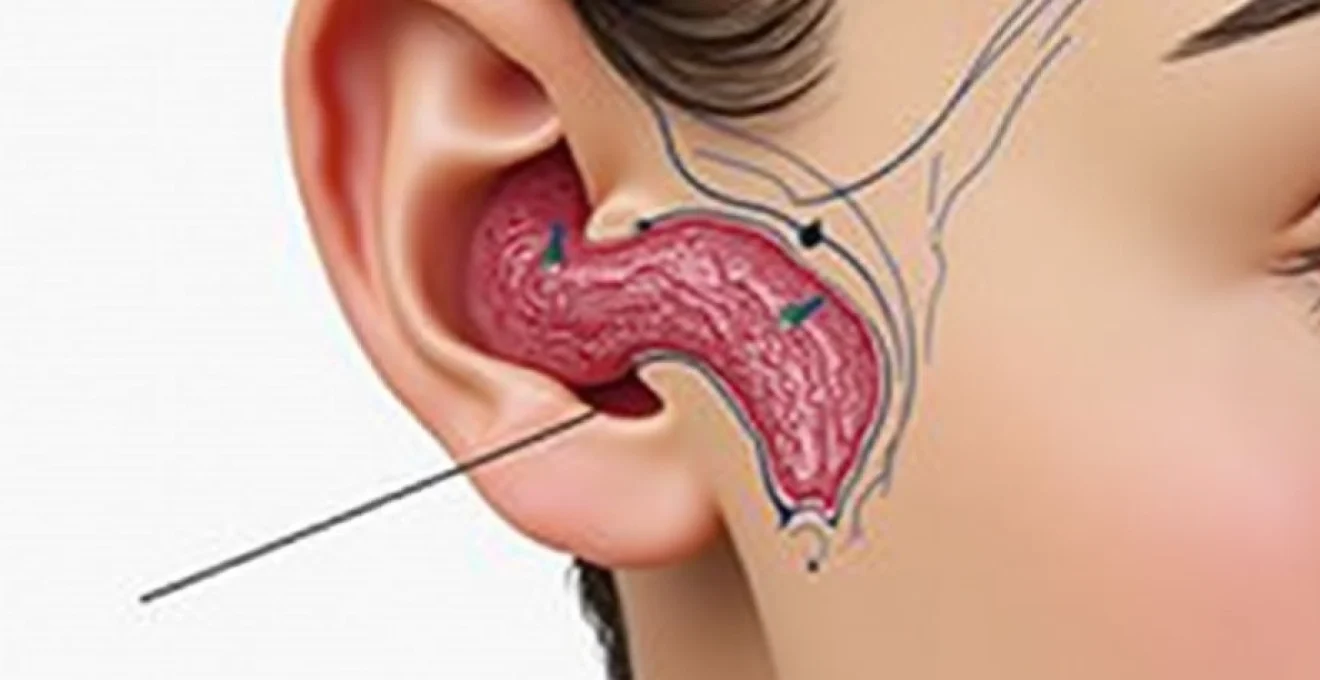
Discovering a large knot or lump behind the ear can be an unsettling experience that prompts immediate concern about its origin and potential implications. These palpable masses, medically termed post-auricular masses, represent a diverse spectrum of conditions ranging from benign inflammatory responses to more serious pathological processes. The posterior auricular region contains numerous anatomical structures including lymph nodes, sebaceous glands, hair follicles, and the temporal bone, each capable of producing distinctive types of lumps when affected by disease or dysfunction.
The complexity of differential diagnosis for post-auricular masses requires careful consideration of multiple factors including the patient’s age, medical history, associated symptoms, and physical characteristics of the mass itself. Understanding the various causes of these lumps enables both healthcare providers and patients to approach the condition with appropriate urgency and treatment strategies. From reactive lymphadenopathy triggered by common infections to rare congenital anomalies, the spectrum of possibilities demands thorough evaluation and expert assessment.
Lymphatic system disorders causing Post-Auricular masses
The lymphatic system serves as the body’s primary defence mechanism against infections and foreign substances, with strategically positioned lymph nodes acting as filtering stations throughout the network. Behind each ear lies a cluster of posterior auricular lymph nodes that drain lymphatic fluid from the scalp, external auditory canal, and surrounding facial structures. When these nodes encounter pathogens or inflammatory mediators, they undergo enlargement as part of the normal immune response, often creating palpable masses that can cause significant patient anxiety.
Reactive lymphadenopathy from upper respiratory tract infections
Upper respiratory tract infections represent one of the most common triggers for posterior auricular lymph node enlargement, with viral and bacterial pathogens stimulating intense immune responses. The proximity of these lymph nodes to the ear canal and throat makes them particularly susceptible to drainage from infected tissues in these regions. Common cold viruses, influenza strains, and respiratory syncytial virus frequently cause bilateral lymph node swelling that resolves spontaneously once the underlying infection clears.
Bacterial infections such as streptococcal pharyngitis or acute otitis media create more pronounced lymphatic responses, often accompanied by tenderness, warmth, and rapid enlargement of the affected nodes. The inflammatory cascade triggered by bacterial toxins and cellular debris results in increased vascular permeability and cellular infiltration within the lymph node architecture. Patients may notice the development of firm, mobile masses that move freely beneath the skin and exhibit characteristic rubbery consistency.
Posterior auricular lymph node enlargement mechanisms
The mechanism underlying lymph node enlargement involves complex interactions between antigenic stimulation and cellular proliferation within the node’s microenvironment. When foreign antigens enter the lymphatic circulation, they encounter antigen-presenting cells that initiate cascade reactions leading to B-cell and T-cell activation. This process results in germinal centre formation and follicular hyperplasia, causing the node to increase substantially in size and become palpable through overlying tissues.
Lymphoid hyperplasia occurs through both cellular multiplication and increased vascular supply to the affected node, creating the characteristic swelling associated with reactive lymphadenopathy. The enlargement typically develops over several days to weeks, depending on the intensity and duration of the antigenic stimulus. Most reactive nodes return to normal size within four to six weeks after resolution of the underlying cause, though some may remain slightly enlarged for several months.
Epstein-barr virus and Cytomegalovirus-Induced lymph node swelling
Herpesvirus infections, particularly those caused by Epstein-Barr virus (EBV) and cytomegalovirus (CMV), produce distinctive patterns of lymphadenopathy that often involve posterior auricular nodes. These viral infections trigger profound immune responses characterised by massive lymphocyte proliferation and prolonged inflammatory processes. EBV-induced infectious mononucleosis commonly presents with widespread lymphadenopathy affecting multiple node groups simultaneously, including those behind the ears.
The pathophysiology of herpesvirus-induced lymph node enlargement involves viral replication within B-lymphocytes and subsequent T-cell activation responses. This creates a self-perpetuating cycle of cellular activation and proliferation that can persist for weeks or months. CMV infections may produce similar lymphatic responses, particularly in immunocompromised individuals or those experiencing primary infection during adulthood.
Bacterial cervical lymphadenitis secondary to scalp infections
Bacterial infections of the scalp, including folliculitis, impetigo, or infected sebaceous cysts, frequently drain into posterior auricular lymph nodes, causing secondary bacterial lymphadenitis. Staphylococcus aureus and Streptococcus pyogenes represent the most common causative organisms, producing acute inflammatory responses within the lymphatic vessels and nodes. These infections may progress from simple reactive lymphadenopathy to suppurative lymphadenitis with abscess formation.
The clinical presentation typically includes rapid onset of painful, tender lymph node enlargement accompanied by overlying skin erythema and warmth. Patients may develop systemic symptoms including fever, malaise, and leukocytosis as the infection overwhelms local immune defences. Without appropriate antibiotic therapy, bacterial lymphadenitis can progress to node necrosis and formation of fluctuant abscesses requiring surgical drainage.
Sebaceous and epidermal cyst formation behind the ear
The post-auricular region contains numerous sebaceous glands and hair follicles that can become obstructed or infected, leading to various types of cystic lesions. These benign growths represent some of the most frequently encountered masses behind the ear, often developing slowly over months or years before becoming clinically apparent. The rich concentration of sebaceous structures in this area, combined with frequent mechanical irritation from eyeglasses, hearing aids, or hair accessories, creates an environment conducive to cyst formation.
Epidermoid cyst development in the Post-Auricular region
Epidermoid cysts arise from proliferation of epidermal cells within a confined space, typically following trauma, surgical procedures, or congenital developmental abnormalities. These cysts contain accumulated keratin and cellular debris surrounded by a true epithelial lining, distinguishing them from other types of cystic lesions. The post-auricular location frequently develops epidermoid cysts due to repeated minor trauma from scratching, pressure from headphones, or previous surgical procedures.
The hallmark characteristic of epidermoid cysts involves their attachment to overlying skin, which moves synchronously with the cyst during palpation, unlike freely mobile lymph nodes or lipomas.
These cysts typically present as slowly growing, painless masses that may occasionally become inflamed or infected, leading to rapid enlargement and tenderness. The characteristic punctum or central pore may be visible on careful examination, representing the original site of epidermal invagination. Complications can include bacterial superinfection, rupture with subsequent inflammatory response, and rarely, malignant transformation to squamous cell carcinoma in long-standing lesions.
Pilomatricoma and calcifying epithelioma characteristics
Pilomatricomas represent benign tumours arising from hair follicle matrix cells, most commonly occurring in children and young adults. These lesions typically develop in hair-bearing areas including the post-auricular region, where they present as firm, slowly growing nodules that may exhibit characteristic calcification over time. The tumour originates from primitive hair matrix cells that undergo abnormal keratinisation and calcium deposition, creating distinctive histological appearances.
Clinical examination reveals hard, irregularly shaped masses that may feel gritty due to internal calcification. The overlying skin often appears normal, though larger lesions may cause visible distortion of surface contours. Pilomatricomas demonstrate the unique “tent sign” when pinched, creating a characteristic angular deformation that helps distinguish them from other cystic lesions. Complete surgical excision represents the definitive treatment, with recurrence rates remaining low when adequate margins are achieved.
Sebaceous cyst rupture and secondary inflammatory response
Spontaneous rupture of sebaceous cysts creates intense inflammatory responses that can significantly complicate the clinical presentation and treatment approach. When cyst contents escape into surrounding tissues, the immune system recognises the keratin and sebaceous material as foreign substances, triggering acute inflammatory cascades. This process can transform a previously asymptomatic cyst into a painful, rapidly enlarging mass that mimics infectious processes or malignant tumours.
The inflammatory response following cyst rupture involves recruitment of neutrophils, macrophages, and lymphocytes that attempt to clear the extruded cyst contents. This cellular infiltration causes significant tissue oedema, erythema, and tenderness that may persist for several weeks. Bacterial superinfection commonly complicates ruptured cysts, as the disrupted epithelial barrier allows entry of skin commensals and environmental pathogens.
Trichilemmal cyst formation from hair follicle obstruction
Trichilemmal cysts, also known as pilar cysts, develop from obstruction and subsequent dilatation of hair follicle structures, particularly the outer root sheath. These cysts predominantly affect individuals with thick, coarse hair and show familial clustering patterns suggesting genetic predisposition. The post-auricular region represents a common site for trichilemmal cyst development due to the density of terminal hair follicles and frequent mechanical stress from hair manipulation.
Unlike epidermoid cysts, trichilemmal cysts lack a granular cell layer in their epithelial lining and contain different biochemical compositions of keratin. The cyst contents appear more homogeneous and less malodorous compared to epidermoid cysts when ruptured or excised. Multiple trichilemmal cysts may develop simultaneously in genetically predisposed individuals, creating clusters of firm nodules that can be cosmetically concerning.
Mastoiditis and temporal bone inflammatory conditions
Mastoiditis represents a serious bacterial infection affecting the mastoid air cells within the temporal bone, often developing as a complication of inadequately treated acute otitis media. This condition creates inflammatory swelling that extends beyond the confines of the middle ear space, frequently presenting as a tender, erythematous mass behind the affected ear. The infection typically involves Streptococcus pneumoniae , Haemophilus influenzae , or Staphylococcus aureus organisms that breach the barriers between the middle ear and mastoid air cell system.
The clinical presentation of mastoiditis includes severe otalgia, purulent otorrhoea, fever, and the characteristic post-auricular swelling that may cause the external ear to protrude forward and downward. Acute mastoiditis requires immediate medical attention due to the risk of serious complications including intracranial extension, facial nerve paralysis, and sigmoid sinus thrombosis. The inflammation causes destruction of the thin bony septa separating mastoid air cells, leading to the formation of irregular cavities filled with infected debris and pus.
Mastoiditis complications can include meningitis, brain abscess formation, and permanent hearing loss, making early recognition and aggressive treatment absolutely critical for optimal patient outcomes.
Chronic mastoiditis develops when acute infections fail to resolve completely, leading to persistent inflammation and progressive bone destruction within the temporal bone. This condition creates recurrent episodes of pain and swelling behind the ear, often accompanied by intermittent purulent drainage through perforated tympanic membranes. Cholesteatoma formation commonly complicates chronic mastoiditis, as trapped epithelial debris continues to accumulate and expand within the infected mastoid spaces. Surgical intervention through mastoidectomy procedures may become necessary to eradicate persistent infection and prevent further complications.
The diagnosis of mastoiditis relies heavily on clinical presentation combined with appropriate imaging studies, particularly high-resolution computed tomography of the temporal bones. These scans reveal characteristic findings including air cell opacification, bone erosion, and soft tissue swelling within the post-auricular region. Laboratory studies typically demonstrate leukocytosis with neutrophilic predominance, elevated inflammatory markers, and positive bacterial cultures from ear drainage samples when present.
Neoplastic growths and malignant transformations
While benign conditions account for the majority of post-auricular masses, neoplastic growths including both benign and malignant tumours can occasionally present in this anatomical location. The complex anatomy of the temporal region contains multiple tissue types including skin, subcutaneous fat, muscle, bone, and neural structures, each capable of developing characteristic tumour types. Understanding the clinical features that suggest malignant potential helps guide appropriate diagnostic workup and treatment planning for patients presenting with concerning post-auricular masses.
Benign neoplasms in the post-auricular region include lipomas, which present as soft, mobile masses composed of mature adipose tissue surrounded by thin fibrous capsules. These tumours typically grow slowly over years and rarely cause symptoms unless they achieve significant size or compress adjacent structures. Lipomas demonstrate characteristic features including soft consistency, smooth borders, and complete mobility beneath the overlying skin, helping distinguish them from more concerning lesions.
Malignant tumours affecting the post-auricular region may arise primarily from local structures or represent metastatic deposits from distant primary sites. Cutaneous malignancies including basal cell carcinoma, squamous cell carcinoma, and melanoma can develop in the post-auricular skin, particularly in individuals with significant sun exposure history or previous radiation therapy. These lesions often present as irregular, firm masses with adherence to overlying skin and may exhibit surface ulceration, bleeding, or pigment changes.
The fixed, hard consistency of malignant masses, combined with rapid growth patterns and adherence to surrounding structures, should prompt immediate specialist evaluation and tissue diagnosis through appropriate biopsy techniques.
Parotid gland tumours occasionally extend posteriorly to involve the post-auricular region, particularly when they arise from the deep lobe or achieve substantial size. Pleomorphic adenomas represent the most common benign parotid tumour, typically presenting as slowly growing, painless masses with smooth contours and mobile consistency. However, malignant parotid tumours including adenoid cystic carcinoma and mucoepidermoid carcinoma can demonstrate aggressive growth patterns with invasion of adjacent structures including the facial nerve, temporal bone, and surrounding soft tissues.
Lymphomas, both Hodgkin and non-Hodgkin subtypes, may present as enlarged posterior auricular lymph nodes that exhibit concerning features including rapid growth, firm consistency, and resistance to antibiotic therapy. These malignant lymphoid proliferations require comprehensive staging evaluation including additional imaging studies, bone marrow examination, and detailed histopathological analysis to determine appropriate treatment strategies. Early-stage lymphomas affecting cervical lymph node groups often demonstrate excellent treatment responses with current therapeutic protocols.
Congenital anomalies and developmental masses
Congenital anomalies affecting the post-auricular region represent developmental aberrations that occur during embryological formation of the head and neck structures. These anomalies may present at birth or become apparent during childhood growth periods, often creating diagnostic challenges due to their uncommon nature and variable clinical presentations. Understanding the embryological basis for these conditions helps explain their characteristic features and guides appropriate management strategies.
Preauricular sinuses and cysts arise from incomplete fusion of the six hillocks of His during external ear development, creating epithelium-lined tracts that may extend from the external ear toward the middle ear space. While most preauricular anomalies occur anterior to the ear, variant anatomy can produce similar structures in the post-auricular region. These sinuses may remain asymptomatic throughout life or become infected when bacteria enter through the external opening, leading to abscess formation and recurrent inflammatory episodes.
Branchial cleft cysts represent another category of congenital anomaly that can affect the post-auricular region, particularly second branchial cleft remnants that fail to involute during normal development. These cysts typically present as smooth, fluctuant masses that may grow slowly over time and occasionally become infected. The epithelial lining of branchial cleft cysts contains respiratory or squamous epithelium, and the cyst contents may include clear fluid, debris, or even cartilaginous elements depending on the specific developmental origin.
Dermoid cysts represent complex developmental anomalies containing multiple embryological tissue types including hair follicles, sebaceous glands, and occasionally teeth or bone fragments. These lesions typically present during childhood as gradually enlarging masses that may demonstrate heterogeneous consistency on palpation. The presence of hair or other dermal appendages within the cyst creates characteristic imaging findings and helps distinguish dermoids from simpler cystic lesions.
Accessory parotid tissue occasionally develops in ect
opic locations, typically behind or below the main parotid gland, creating masses that may be mistaken for lymph nodes or cysts. These ectopic collections of salivary tissue maintain their functional capacity and may undergo the same pathological processes as the main gland, including inflammatory conditions, benign tumours, or rarely, malignant transformation. The diagnosis of accessory parotid tissue requires careful clinical evaluation and often imaging studies to distinguish it from other post-auricular masses.
Vascular anomalies including arteriovenous malformations and venous malformations can occasionally present as pulsatile masses behind the ear, particularly when they involve branches of the external carotid artery or superficial temporal vessels. These lesions may demonstrate characteristic features including warmth, thrill on palpation, and audible bruits that help distinguish them from solid tumours or cysts. Complex vascular anomalies require specialized imaging evaluation and multidisciplinary management approaches to prevent complications during treatment.
First branchial cleft anomalies and their clinical presentation
First branchial cleft anomalies represent rare developmental malformations that specifically affect the post-auricular and external auditory canal regions, arising from incomplete obliteration of the first branchial groove during embryogenesis. These anomalies may present as sinuses, cysts, or fistulous tracts that communicate between the external auditory canal and the post-auricular skin surface. The clinical presentation often includes recurrent drainage from small openings behind the ear, particularly following upper respiratory infections or swimming activities.
The complex anatomy of first branchial cleft anomalies frequently involves intimate relationships with the facial nerve, external auditory canal, and middle ear structures, creating significant surgical challenges during definitive treatment. Type I anomalies typically remain lateral to the facial nerve and involve only ectoderm-derived tissues, while Type II anomalies may extend medially and involve both ectodermal and mesodermal elements. Complete surgical excision requires careful identification and preservation of the facial nerve while ensuring adequate removal of all abnormal tissue to prevent recurrence.
Diagnostic evaluation of suspected first branchial cleft anomalies often requires specialized imaging including magnetic resonance imaging or computed tomography with contrast enhancement to delineate the exact anatomical relationships. Surgical planning must account for the variable course of these anomalies and their potential proximity to critical neurovascular structures. Incomplete excision commonly results in recurrent infection and drainage, necessitating revision procedures that carry increased risks of facial nerve injury.
Thyroglossal duct cyst ectopic presentations
While thyroglossal duct cysts typically develop along the midline path of thyroid descent, ectopic presentations can occasionally occur in lateral neck locations including the post-auricular region. These developmental anomalies arise from persistence of portions of the thyroglossal duct that normally involutes during fetal development, leaving behind epithelium-lined cysts that may contain thyroid tissue elements. The unusual lateral location of these cysts often creates diagnostic confusion and requires careful evaluation to distinguish them from other congenital masses.
Ectopic thyroglossal duct cysts may contain functioning thyroid tissue, and surgical removal requires preoperative imaging to ensure adequate thyroid hormone production from the normally positioned gland.
The clinical presentation of ectopic thyroglossal duct cysts includes slowly growing, painless masses that may demonstrate characteristic movement with swallowing or tongue protrusion due to their developmental relationship with the hyoid bone and tongue musculature. These cysts may become infected, leading to rapid enlargement, tenderness, and overlying skin inflammation that can mimic bacterial lymphadenitis or abscess formation. Definitive treatment requires complete surgical excision, often including portions of the hyoid bone to prevent recurrence, following the principles of the Sistrunk procedure even in ectopic locations.
Inclusion cysts from previous surgical procedures
Previous surgical procedures in the post-auricular region, including otologic surgeries, parotidectomy, or excision of other masses, can result in implantation of epithelial elements that subsequently develop into inclusion cysts. These iatrogenic lesions typically develop months to years following the initial surgical procedure, presenting as gradually enlarging masses along previous incision lines or in areas of tissue manipulation. The pathogenesis involves inadvertent implantation of surface epithelium into deeper tissue planes during surgery, where it continues to proliferate and accumulate keratin debris.
Surgical inclusion cysts demonstrate similar characteristics to primary epidermoid cysts but often exhibit more irregular shapes and may show adherence to underlying scar tissue from the previous procedure. The diagnostic history of prior surgery in the same anatomical location provides important clues to the likely etiology, though other causes of recurrent masses must be considered including tumour recurrence or infection. Treatment typically involves complete surgical excision with careful attention to removing all epithelial elements and any associated scar tissue that might harbour residual abnormal cells.
Prevention of inclusion cyst formation requires meticulous surgical technique during primary procedures, including careful handling of epithelial surfaces, thorough irrigation of surgical sites, and complete closure of tissue planes without dead space formation. Understanding this potential complication helps surgeons counsel patients appropriately regarding long-term follow-up requirements and the possibility of secondary procedures for management of iatrogenic masses.