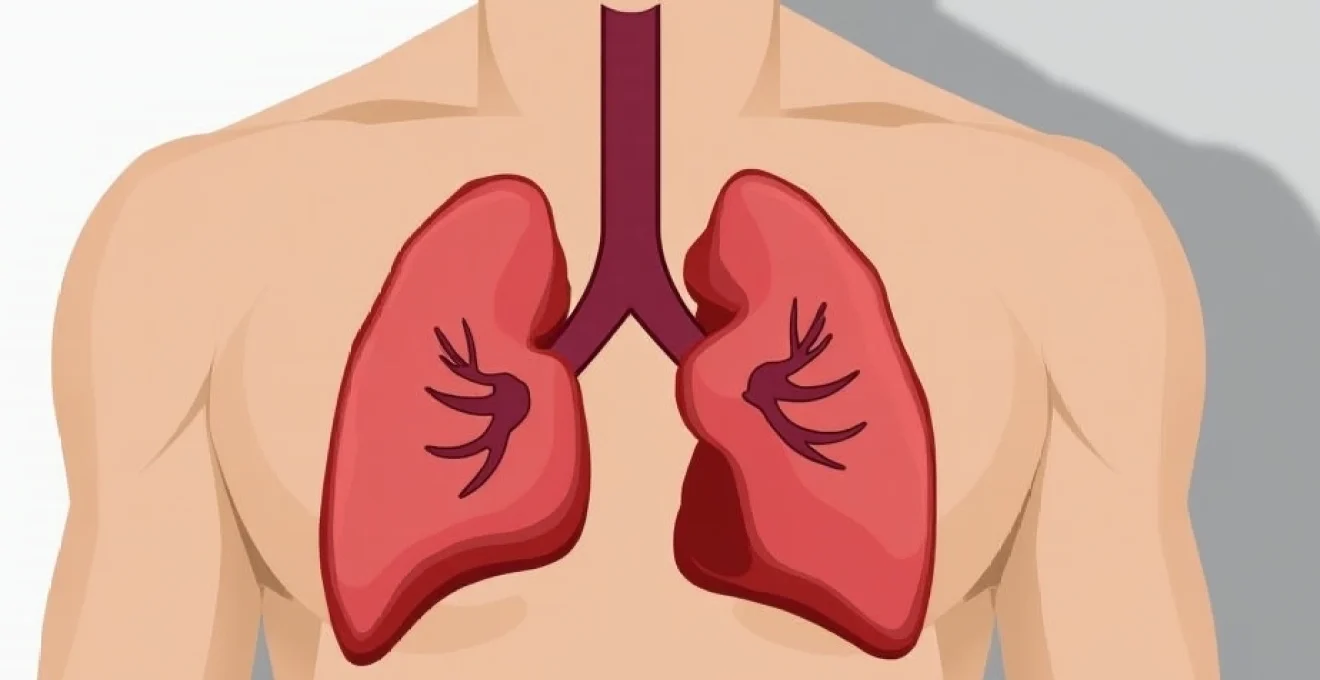
Waking up with left-sided chest pain can be an alarming experience that triggers immediate concern about potential cardiac complications. While the left side of the chest is anatomically associated with the heart, numerous conditions beyond cardiovascular disease can manifest as morning chest discomfort. Understanding the diverse range of potential causes—from benign musculoskeletal strain to life-threatening cardiac events—enables individuals to make informed decisions about seeking appropriate medical attention.
Left-sided chest pain upon awakening represents a complex symptom that requires careful evaluation, as it can originate from cardiac, pulmonary, gastrointestinal, musculoskeletal, or psychological sources. The timing of pain onset during sleep or upon waking may provide valuable diagnostic clues, particularly when considering factors such as sleep position, nocturnal physiological changes, and the body’s circadian rhythm fluctuations. Morning chest pain patterns often reflect specific underlying pathophysiological processes that warrant systematic assessment by healthcare professionals.
Cardiac-related causes of Left-Sided chest pain upon awakening
Cardiovascular conditions represent the most concerning potential causes of left-sided chest pain, particularly when symptoms occur during the vulnerable morning hours. The early morning period, specifically between 6 AM and 10 AM, corresponds to increased cardiovascular risk due to circadian variations in blood pressure, heart rate, and platelet aggregation. During this time, the body experiences natural surges in catecholamines and cortisol, which can precipitate cardiac events in susceptible individuals.
Myocardial infarction and acute coronary syndrome manifestations
Acute myocardial infarction occurring during sleep or upon awakening presents unique clinical challenges, as symptoms may be subtly different from classic daytime presentations. Morning heart attacks often manifest as crushing chest pressure, radiating pain to the left arm, jaw, or back, accompanied by diaphoresis, nausea, and shortness of breath. The circadian increase in platelet aggregability and decreased fibrinolytic activity during early morning hours contributes to heightened thrombotic risk.
Sleep-related myocardial infarction may present with atypical symptoms, particularly in women, elderly patients, and individuals with diabetes. These populations frequently experience silent or minimally symptomatic events, making recognition more challenging. The absence of classic chest pain doesn’t exclude the possibility of acute coronary syndrome, emphasising the importance of considering associated symptoms such as unexplained fatigue, shortness of breath, or epigastric discomfort.
Angina pectoris and coronary artery disease complications
Stable angina rarely occurs at rest but may manifest upon awakening due to increased oxygen demand during the transition from sleep to wakefulness. Unstable angina , however, can develop during rest periods and represents a medical emergency requiring immediate evaluation. The pain typically presents as pressure-like discomfort in the left chest, often described as a heavy weight or squeezing sensation that may radiate to typical anginal distribution patterns.
Prinzmetal angina or vasospastic angina demonstrates a predilection for nocturnal or early morning occurrence due to increased coronary artery reactivity during these periods. This condition involves transient coronary artery spasm, causing temporary reduction in myocardial blood flow. The pain is characteristically severe and may wake individuals from sleep, typically lasting several minutes before spontaneously resolving.
Pericarditis and inflammatory cardiac conditions
Acute pericarditis commonly presents with sharp, pleuritic chest pain that may worsen upon lying flat and improve when sitting upright or leaning forward. The inflammatory nature of this condition can cause significant discomfort that disrupts sleep patterns, leading to awakening with persistent left-sided chest pain. Pericardial inflammation often follows viral infections, autoimmune disorders, or cardiac procedures, making history-taking crucial for diagnostic accuracy.
The pain associated with pericarditis is characteristically positional, intensifying with deep inspiration, coughing, or swallowing. Unlike ischaemic cardiac pain, pericarditic discomfort tends to be sharp and stabbing rather than pressure-like. The presence of a pericardial friction rub on cardiac auscultation provides valuable diagnostic information, though this finding may be intermittent and position-dependent.
Mitral valve prolapse and valvular heart disease symptoms
Mitral valve prolapse can cause atypical chest pain that may be more prominent upon awakening due to positional changes and altered venous return during sleep. The chest discomfort associated with this condition is often described as sharp or stabbing, typically lasting seconds to minutes rather than the prolonged duration characteristic of ischaemic pain. Valvular abnormalities may also cause referred pain patterns that mimic other cardiac conditions.
Musculoskeletal origins of morning left chest discomfort
Musculoskeletal causes represent the most common source of chest wall pain, particularly when symptoms coincide with awakening after maintaining fixed sleep positions for extended periods. The thoracic cage, comprising ribs, sternum, thoracic vertebrae, and associated musculature, can develop inflammatory or mechanical dysfunction that produces localised or referred pain patterns. Understanding these mechanisms helps differentiate benign musculoskeletal conditions from more serious cardiac or pulmonary pathology.
Costochondritis and tietze syndrome inflammatory responses
Costochondritis involves inflammation of the cartilaginous junctions between ribs and sternum, creating sharp, localised chest pain that often intensifies with movement, deep breathing, or palpation. Morning stiffness associated with inflammatory conditions can cause increased discomfort upon awakening, particularly after prolonged periods of immobility during sleep. The pain is typically reproducible with chest wall palpation and may persist for hours or days following onset.
Tietze syndrome represents a distinct entity characterised by localised swelling and inflammation of costochondral junctions, most commonly affecting the second and third ribs. Unlike simple costochondritis, Tietze syndrome presents with visible and palpable swelling at the affected costochondral junction. The inflammatory nature of this condition may cause morning pain exacerbation due to overnight accumulation of inflammatory mediators and reduced anti-inflammatory cortisol levels during early sleep phases.
Intercostal muscle strain and thoracic wall injuries
Intercostal muscle strain can develop from repetitive movements, sudden twisting motions, or maintained awkward positions during sleep. The intercostal muscles, located between adjacent ribs, facilitate respiratory mechanics and thoracic stability. Muscle strain in these structures produces sharp, localised pain that worsens with respiratory movements, coughing, or thoracic rotation. Sleep positions that maintain intercostal muscle tension for prolonged periods may result in morning pain and stiffness.
Previous thoracic trauma, even minor injuries that occurred days or weeks earlier, can manifest as delayed-onset muscle soreness or myofascial dysfunction. The healing process involves inflammatory responses that may be more pronounced during morning hours due to circadian variations in anti-inflammatory hormone levels. Individuals may not immediately connect current symptoms with previous minor trauma, necessitating careful history-taking regarding recent physical activities or accidents.
Fibromyalgia and myofascial pain syndrome presentations
Fibromyalgia frequently involves tender points in the chest wall region, including areas over the second costochondral junctions and upper thoracic musculature. Morning pain amplification is characteristic of fibromyalgia, as the condition involves central pain processing abnormalities that may be influenced by sleep quality and circadian rhythm disturbances. The chest pain associated with fibromyalgia is typically described as aching or burning rather than sharp or stabbing.
Myofascial pain syndrome affects specific muscle groups and associated fascial structures, creating trigger points that can refer pain to distant locations. Trigger points in the pectoralis major, serratus anterior, or intercostal muscles can produce chest pain patterns that mimic cardiac conditions. The pain is often described as deep, aching discomfort that may be accompanied by muscle stiffness and reduced range of motion upon awakening.
Cervical radiculopathy and referred pain patterns
Cervical spine dysfunction, particularly involving C6-T1 nerve roots, can produce referred pain patterns that manifest as left-sided chest discomfort. Nerve root irritation may result from disc herniation, spinal stenosis, or facet joint dysfunction, creating pain that radiates along dermatomal distributions. Sleep positions that maintain cervical spine in suboptimal alignment for extended periods may exacerbate nerve root compression and associated referred pain patterns.
The relationship between cervical spine positioning during sleep and morning chest pain requires consideration of pillow height, mattress support, and preferred sleep positions. Individuals who sleep on their side with inadequate pillow support may develop cervical rotation or lateral flexion that compromises neural structures. The resulting nerve root irritation can produce pain patterns that extend from the neck through the shoulder and into the anterior chest wall, mimicking cardiac pain distributions.
Pulmonary conditions triggering Left-Sided chest pain
Respiratory system pathology can manifest as left-sided chest pain, particularly when conditions affect the left lung, pleural space, or associated structures. The anatomical proximity of pulmonary structures to the heart can create diagnostic challenges, as both systems may produce similar pain characteristics and distribution patterns. Understanding specific features of pulmonary-related chest pain helps distinguish these conditions from cardiac causes and guides appropriate diagnostic evaluation.
Pulmonary embolism and thromboembolic complications
Pulmonary embolism represents a potentially life-threatening condition that can present with acute chest pain, often accompanied by dyspnoea, tachycardia, and anxiety. Morning pulmonary embolism risk may be elevated in individuals with predisposing factors such as prolonged immobility during sleep, dehydration, or underlying hypercoagulable states. The pain is typically pleuritic in nature, worsening with deep inspiration and often accompanied by a sense of impending doom.
The clinical presentation of pulmonary embolism varies significantly based on the size and location of the embolic burden. Massive pulmonary embolism may present with severe chest pain, haemodynamic instability, and acute right heart strain. Smaller, peripheral emboli may cause more subtle symptoms, including mild chest discomfort and shortness of breath that may be attributed to other conditions. The morning occurrence of symptoms may reflect overnight development of thrombotic complications in high-risk individuals.
Pleuritis and pleural effusion inflammatory processes
Pleural inflammation, whether infectious or non-infectious in origin, characteristically produces sharp, stabbing chest pain that intensifies with respiratory movements. Pleuritic chest pain is typically well-localised and may be accompanied by a pleural friction rub audible on auscultation. Morning symptom onset may reflect overnight accumulation of inflammatory mediators or position-dependent changes in pleural mechanics during sleep.
Pleural effusion can cause chest pain through several mechanisms, including pleural surface irritation, lung compression, and altered respiratory mechanics. Large effusions may produce a sensation of heaviness or pressure in the affected hemithorax, potentially causing discomfort that awakens individuals from sleep. The gradual accumulation of pleural fluid may initially present as subtle morning chest discomfort before progressing to more obvious dyspnoea and exercise intolerance.
Pneumothorax and spontaneous lung collapse events
Spontaneous pneumothorax can occur during sleep or upon awakening, particularly in tall, thin individuals or those with underlying lung disease. Primary spontaneous pneumothorax typically affects young, healthy individuals and may present as sudden-onset chest pain accompanied by shortness of breath. The pain is usually sharp and localised to the affected side, often described as tearing or ripping in quality.
Secondary spontaneous pneumothorax occurs in individuals with pre-existing lung pathology such as chronic obstructive pulmonary disease, asthma, or interstitial lung disease. The morning occurrence of pneumothorax may be related to changes in intrathoracic pressure during sleep-wake transitions or coughing episodes upon awakening. The chest pain is typically severe and may be accompanied by significant respiratory distress, necessitating immediate medical evaluation.
Gastrointestinal disorders manifesting as left chest pain
Gastrointestinal conditions frequently masquerade as cardiac chest pain due to shared neural pathways and the anatomical proximity of oesophageal and gastric structures to the heart. The overnight accumulation of gastric acid, prolonged periods without food intake, and positional changes during sleep can exacerbate various digestive conditions, leading to morning chest pain presentations. Visceral pain referral patterns from gastrointestinal organs can create chest discomfort that closely mimics cardiac pain, requiring careful differentiation through clinical assessment and diagnostic testing.
Gastroesophageal reflux disease represents one of the most common causes of non-cardiac chest pain, particularly during morning hours when overnight acid accumulation and supine positioning facilitate gastric content reflux into the oesophagus. The resulting oesophageal irritation produces burning chest pain that may radiate to the left side and can be accompanied by regurgitation, bitter taste, or throat irritation. Morning symptoms often improve after assuming upright posture and may respond to antacid medications, helping distinguish reflux-related pain from cardiac causes.
Oesophageal spasm can produce severe chest pain that closely resembles angina, creating significant diagnostic challenges. Diffuse oesophageal spasm may be triggered by gastroesophageal reflux, stress, or certain foods consumed the previous evening. The pain is typically described as crushing or squeezing, similar to cardiac pain, but may be accompanied by dysphagia or regurgitation. The temporal relationship to meals and response to smooth muscle relaxants can help identify oesophageal origin of chest pain.
Peptic ulcer disease and gastritis can produce epigastric pain that radiates to the chest, particularly when inflammatory processes affect the gastric fundus or when complications such as perforation develop. Morning pain may result from overnight gastric acid production and the absence of food buffering during sleep periods. The pain is typically described as burning or gnawing and may be accompanied by nausea, bloating, or early satiety. Helicobacter pylori infection and non-steroidal anti-inflammatory drug use represent common risk factors for peptic ulcer development.
Gallbladder disease, including cholecystitis and cholelithiasis, can produce right upper quadrant pain that radiates to the left chest through neural referral patterns. Biliary colic may worsen during overnight hours due to gallbladder contraction in response to hormonal fluctuations or residual food stimulation from evening meals. The pain is typically described as severe, cramping discomfort that may be accompanied by nausea, vomiting, and intolerance to fatty foods. The relationship between symptoms and dietary intake patterns can help identify biliary causes of chest pain.
Anxiety-related and psychosomatic chest pain presentations
Psychological factors play a significant role in chest pain presentations, with anxiety disorders, panic attacks, and stress-related conditions commonly producing symptoms that mimic serious cardiac pathology. The bidirectional relationship between chest pain and anxiety creates a complex clinical scenario where physical symptoms may trigger psychological distress, which in turn can amplify perceived pain intensity and duration. Morning anxiety symptoms may be particularly pronounced due to anticipatory worry about daily activities, work stress, or underlying health concerns that intensify upon awakening.
Panic disorder frequently manifests with chest pain as a predominant symptom, often accompanied by palpitations, shortness of breath, diaphoresis, and an overwhelming sense of impending doom. Nocturnal panic attacks can awaken individuals from sleep with intense chest discomfort that may persist for several minutes after awakening. The chest pain associated with panic attacks is typically described as sharp, stabbing, or pressure-like and may be accompanied by derealisation or depersonalisation symptoms that create additional distress.
Generalised anxiety disorder can produce chronic muscle tension in the thoracic region, leading to morning chest pain and stiffness upon awakening. Anxiety-induced hyperventilation can cause chest tightness and discomfort through altered carbon dioxide levels and associated physiological changes. The chronic nature of anxiety-related chest pain often creates a cycle where fear of serious medical conditions perpetuates anxiety symptoms and maintains pain perception.
Somatisation disorders involve the physical expression of psychological distress, with chest
pain manifestations being a common symptom complex. The psychological origins of chest pain may be less obvious to patients who focus primarily on physical symptoms, leading to extensive medical evaluations before psychosomatic causes are considered. Stress-related chest pain often demonstrates patterns related to life events, work pressures, or relationship difficulties that may be more apparent upon awakening when daily stressors begin to surface in conscious awareness.
Post-traumatic stress disorder can manifest with physical symptoms including chest pain, particularly in individuals with trauma histories involving cardiac events or medical emergencies. The hypervigilance associated with PTSD may cause heightened awareness of normal cardiac sensations, leading to misinterpretation of benign palpitations or chest sensations as indicators of serious pathology. Morning symptoms may be triggered by dreams or nightmares related to traumatic experiences, creating a conditioned response that associates awakening with physical distress.
Sleep Position-Induced mechanical chest pain mechanisms
Sleep positioning plays a crucial role in morning chest pain development through various mechanical mechanisms affecting musculoskeletal structures, respiratory function, and cardiovascular dynamics. The prolonged maintenance of fixed positions during sleep can create tissue compression, altered blood flow patterns, and mechanical stress on thoracic structures that manifest as pain upon awakening. Position-dependent chest pain often resolves gradually after normal movement patterns resume, helping distinguish mechanical causes from more serious pathological conditions.
Side sleeping, particularly on the left side, can create several scenarios that lead to morning chest pain. Prolonged left lateral positioning may compress intercostal muscles, create uneven pressure distribution across the chest wall, and potentially affect venous return patterns. The weight of the body pressing against the mattress can cause localised tissue compression that results in ischaemic pain upon awakening. Additionally, arm positioning during side sleeping can create tension in pectoral muscles and anterior chest wall structures.
Prone sleeping positions can significantly impact thoracic mechanics by requiring neck rotation and creating spinal misalignment that affects intercostal muscle function. The compression of chest wall structures against the mattress surface can impair normal respiratory excursion and create pressure points that develop into painful areas during overnight periods. Chest wall compression from prone positioning may also affect lymphatic drainage and local circulation, contributing to morning stiffness and discomfort in thoracic structures.
Mattress quality and support characteristics significantly influence sleep position-related chest pain development. Inadequate mattress support can create pressure points and maintain suboptimal spinal alignment throughout sleep periods, leading to compensatory muscle tension and morning pain. Memory foam mattresses that contour to body shape may initially provide comfort but can create sustained pressure on specific anatomical areas when individuals remain in fixed positions for extended periods. The relationship between mattress firmness and individual body habitus requires consideration when evaluating position-related chest pain patterns.
Pillow configuration affects cervical spine alignment and associated muscle groups that can refer pain to the chest region. Inadequate pillow support may create cervical extension or rotation that places tension on scalene muscles, upper trapezius, and levator scapulae, potentially creating referred pain patterns that manifest in the anterior chest wall. Cervical spine positioning during sleep directly influences nerve root function and can contribute to morning chest pain through radiculopathy mechanisms affecting C6-T1 distributions.
Sleep movement disorders, including restless leg syndrome and periodic limb movement disorder, can indirectly contribute to chest pain through disrupted sleep patterns and compensatory positioning. The frequent position changes associated with these conditions may lead to muscle strain and fatigue that becomes apparent upon awakening. Additionally, the sleep fragmentation caused by movement disorders can affect pain perception and inflammatory responses, potentially amplifying morning discomfort from various sources.
Environmental factors such as room temperature and humidity can influence sleep positioning choices and associated chest pain development. Excessive warmth may lead individuals to sleep without adequate covering or in positions that expose the chest to cooling drafts, potentially creating muscle tension and morning stiffness. Conversely, cold environments may cause individuals to sleep in hunched or protective positions that create sustained muscle contraction and morning pain upon awakening.
The evaluation of sleep position-related chest pain requires careful history-taking regarding sleep habits, mattress and pillow characteristics, and the temporal relationship between position changes and symptom relief. Patients may benefit from sleep hygiene modifications, ergonomic assessments, and positioning strategies that minimise mechanical stress on thoracic structures. Understanding these relationships helps healthcare providers distinguish benign mechanical causes from more serious pathological conditions requiring immediate medical intervention.