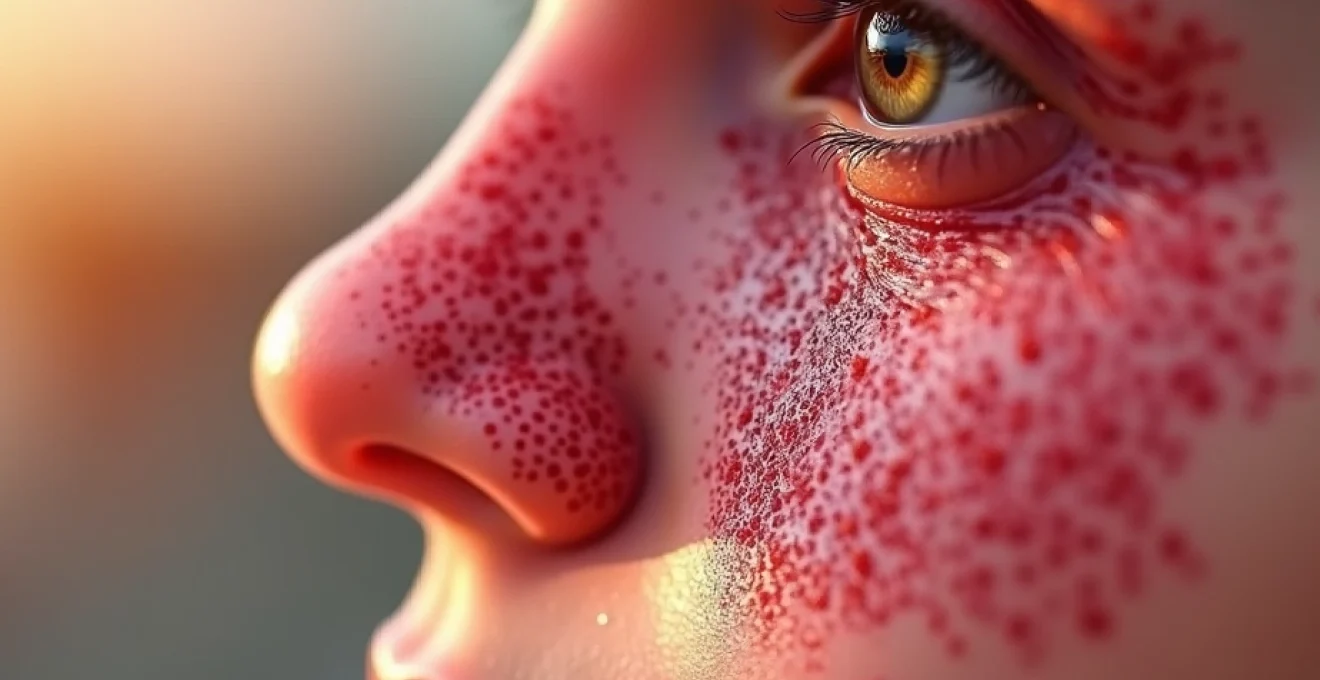
The formation of hard, crusty deposits within the nasal passages represents a complex interplay of physiological, environmental, and pathological factors that affect millions of individuals worldwide. These scab-like formations, characterised by their tough, dried consistency and often uncomfortable presence, can significantly impact respiratory comfort and overall quality of life. Understanding the underlying mechanisms responsible for these formations requires examining the delicate balance of nasal mucosa function, environmental influences, and various disease processes that can disrupt normal nasal physiology.
Recent clinical studies indicate that approximately 15-20% of the population experiences chronic nasal crusting at some point in their lives, with certain occupational groups showing significantly higher prevalence rates. The nasal cavity’s sophisticated humidification system, designed to process over 10,000 litres of air daily, can become compromised through various mechanisms, leading to the development of these troublesome formations. Modern industrial environments, changing climate patterns, and increased exposure to airborne contaminants have contributed to rising incidence rates across diverse demographic groups.
Rhinitis sicca and chronic nasal dryness mechanisms
Rhinitis sicca represents one of the most prevalent underlying conditions contributing to scab-like nasal formations. This condition involves chronic inflammation and subsequent atrophy of the nasal mucosa, resulting in decreased mucus production and impaired ciliary function. The pathophysiology centres on disruption of the normal mucociliary escalator, a sophisticated defence mechanism that typically maintains optimal nasal moisture levels and removes particulate matter through coordinated ciliary beating and mucus flow.
The development of rhinitis sicca follows a progressive pattern, beginning with initial inflammatory changes that gradually compromise the structural integrity of nasal tissues. Environmental factors, including prolonged exposure to low humidity environments, chemical irritants, and temperature extremes, can initiate and perpetuate this inflammatory cascade. Chronic exposure to humidity levels below 30% significantly increases the risk of developing persistent nasal crusting , according to recent environmental health research.
Atrophic rhinitis pathophysiology and mucopolysaccharide depletion
Atrophic rhinitis represents an advanced form of nasal mucosal degeneration characterised by progressive loss of mucosal volume and secretory capacity. The condition involves depletion of essential mucopolysaccharides, particularly hyaluronic acid and chondroitin sulphate, which normally maintain tissue hydration and elasticity. This biochemical disruption leads to formation of thick, adherent crusts that can become deeply embedded within nasal structures.
The pathological process begins with inflammatory mediator release, including interleukin-1β and tumour necrosis factor-α, which trigger degradation of extracellular matrix components. Progressive loss of goblet cells and serous glands further compromises the nasal cavity’s ability to produce adequate moisture, creating an environment conducive to crust formation. Research indicates that mucopolysaccharide concentrations can decrease by up to 70% in severe atrophic rhinitis cases .
Sjögren’s syndrome impact on nasal goblet cell function
Sjögren’s syndrome, an autoimmune condition affecting exocrine glands, significantly impacts nasal goblet cell populations responsible for mucus production. The syndrome’s characteristic lymphocytic infiltration destroys secretory cells throughout the nasal mucosa, leading to profound xerosis and subsequent crust formation. Patients typically experience a dramatic reduction in nasal secretions, with some studies documenting secretion decreases of up to 85% compared to healthy controls .
The autoimmune process specifically targets muscarinic-3 receptors on goblet cells, disrupting normal cholinergic stimulation of mucus production. This targeted destruction creates localised areas of extreme dryness where atmospheric particles and cellular debris accumulate, forming hard, scab-like deposits. Advanced cases may develop secondary bacterial colonisation, further complicating the clinical picture and treatment approach.
Anticholinergic medication effects on mucus viscosity
Anticholinergic medications, including antihistamines, antispasmodics, and certain antidepressants, can significantly alter nasal mucus composition and viscosity. These pharmaceutical agents block muscarinic receptors responsible for stimulating glandular secretions, leading to reduced mucus volume and increased viscosity. The resulting thick, tenacious secretions are prone to dehydration and crust formation within the nasal passages.
Common anticholinergic medications such as diphenhydramine, scopolamine, and tricyclic antidepressants can reduce nasal secretions by 40-60% within hours of administration. This pharmacological effect becomes particularly problematic with chronic use, as the nasal mucosa adapts to reduced moisture levels, making spontaneous recovery more difficult even after medication discontinuation.
Environmental xerosis from low humidity exposure
Environmental xerosis occurs when ambient humidity levels fall below the nasal cavity’s adaptive capacity, typically below 20-25% relative humidity. Prolonged exposure to such conditions overwhelms the nasal mucosa’s natural humidification mechanisms, leading to progressive dehydration of surface secretions. This process is particularly pronounced in modern climate-controlled environments where humidity levels are often maintained well below optimal physiological ranges.
The nasal passages require humidity levels between 80-90% for optimal function, achieved through sophisticated heat and moisture exchange mechanisms. When environmental conditions cannot support adequate humidification, the mucosa compensates by increasing secretion viscosity, which paradoxically worsens the situation by creating more tenacious, crust-prone deposits. Studies indicate that humidity levels below 15% can trigger crust formation within 2-4 hours of exposure .
Bacterial and fungal colonisation patterns in nasal cavities
Microbial colonisation plays a crucial role in the development and persistence of nasal crusting, with certain bacterial and fungal species demonstrating particular affinity for dried nasal secretions. The nasal cavity’s unique microenvironment, characterised by varying oxygen tensions, pH levels, and nutrient availability, creates distinct ecological niches that support specific microbial populations. Understanding these colonisation patterns is essential for developing targeted therapeutic approaches and preventing recurrent crust formation.
The transition from healthy nasal flora to pathogenic colonisation often occurs gradually, with initial disruption of normal protective mechanisms allowing opportunistic organisms to establish persistent biofilms. These microbial communities demonstrate remarkable resilience, developing sophisticated defence mechanisms against host immune responses and antimicrobial treatments. Recent molecular studies have identified over 200 distinct bacterial species in chronically crusted nasal cavities , highlighting the complexity of these microbial ecosystems.
Staphylococcus aureus biofilm formation on turbinate surfaces
Staphylococcus aureus represents one of the most significant bacterial pathogens associated with chronic nasal crusting, demonstrating exceptional ability to form resilient biofilms on turbinate surfaces. These biofilm communities produce extensive extracellular matrices composed of polysaccharides, proteins, and nucleic acids that effectively shield bacterial populations from host immune responses and antimicrobial agents. The biofilm structure creates an ideal environment for crust formation by trapping cellular debris and environmental particles.
Methicillin-resistant Staphylococcus aureus (MRSA) strains show particularly aggressive colonisation patterns, with some studies documenting biofilm formation within 6-8 hours of initial inoculation. These organisms produce specific virulence factors, including protein A and alpha-toxin, which directly damage nasal epithelium and compromise normal clearance mechanisms. The resulting tissue damage creates additional sites for bacterial adherence and biofilm expansion.
Aspergillus niger crustation in immunocompromised patients
Aspergillus niger, a ubiquitous environmental fungus, demonstrates increased pathogenicity in immunocompromised individuals, leading to characteristic black crustation within nasal passages. This organism’s ability to produce melanin and various mycotoxins creates distinctive dark-coloured deposits that can be mistaken for dried blood or other pathological processes. The fungus shows particular affinity for areas of previous tissue damage or chronic inflammation.
Immunocompromised patients, including those receiving chemotherapy, organ transplant recipients, and individuals with advanced HIV disease, face significantly elevated risks of Aspergillus colonisation. Studies indicate that up to 25% of severely immunocompromised patients develop some form of fungal nasal colonisation , with Aspergillus niger accounting for approximately 15% of these cases. The organism’s rapid growth rate and resistance to standard antifungal treatments make early recognition and intervention crucial.
Pseudomonas aeruginosa chronic sinusitis complications
Pseudomonas aeruginosa colonisation frequently complicates chronic sinusitis cases, producing characteristic blue-green crustation due to pyocyanin pigment production. This gram-negative organism demonstrates remarkable adaptability to the nasal environment, developing complex biofilm structures that can persist despite aggressive antimicrobial therapy. The bacterium’s ability to produce multiple virulence factors, including elastase and phospholipase C, contributes to ongoing tissue damage and crust formation.
Chronic Pseudomonas colonisation often develops following prolonged antibiotic courses or invasive nasal procedures, with the organism exploiting disrupted normal flora to establish persistent infection. The bacterium’s sophisticated quorum sensing mechanisms allow coordinated virulence factor production and biofilm maturation, creating self-perpetuating cycles of inflammation and crustation that can be extremely challenging to eradicate.
Candida albicans overgrowth following antibiotic therapy
Candida albicans overgrowth commonly occurs following broad-spectrum antibiotic therapy, as disruption of normal bacterial flora creates favourable conditions for fungal proliferation. This opportunistic yeast produces characteristic white to cream-coloured crusts that may be accompanied by intense pruritis and burning sensations. The organism’s ability to form both yeast and hyphal morphologies enhances its pathogenic potential and resistance to treatment.
Antibiotic-associated candidiasis typically develops within 5-7 days of starting broad-spectrum antimicrobial therapy, with risk factors including diabetes mellitus, immunosuppression, and prolonged antibiotic exposure. The fungus produces various enzymes, including phospholipase and protease, which facilitate tissue invasion and contribute to persistent inflammation. Research indicates that up to 30% of patients receiving prolonged antibiotic therapy develop some degree of nasal candidiasis .
Autoimmune and inflammatory conditions affecting nasal mucosa
Autoimmune and inflammatory conditions represent a significant category of underlying disorders that can predispose individuals to chronic nasal crusting. These conditions involve complex immune system dysfunction that directly impacts nasal mucosal integrity and function. The inflammatory cascade associated with autoimmune diseases creates a hostile environment within the nasal passages, disrupting normal physiological processes and promoting the formation of persistent, troublesome crusts.
Systemic lupus erythematosus affects nasal mucosa in approximately 20-30% of patients, causing chronic inflammation that compromises normal secretory function. The condition’s characteristic immune complex deposition triggers complement activation and inflammatory mediator release, leading to progressive mucosal damage. Similarly, rheumatoid arthritis can affect nasal tissues through systemic inflammatory mediator circulation, with some patients developing secondary Sjögren’s syndrome manifestations.
Granulomatosis with polyangiitis, formerly known as Wegener’s granulomatosis, represents one of the most severe autoimmune conditions affecting nasal structures. This necrotising vasculitis can cause extensive tissue destruction, leading to formation of thick, often bloody crusts that may herald serious complications including septal perforation. Early recognition and aggressive treatment are crucial, as untreated cases can progress to life-threatening systemic involvement .
Behçet’s disease, though primarily affecting oral and genital mucosa, can also involve nasal tissues in approximately 10-15% of patients. The condition’s characteristic recurrent ulceration creates cycles of tissue damage and healing that often result in scar formation and altered mucus production patterns. These structural changes predispose affected individuals to chronic crusting and secondary bacterial colonisation.
The key to managing autoimmune-related nasal crusting lies in addressing the underlying inflammatory process while simultaneously providing supportive care to maintain nasal mucosal health and function.
Occupational and environmental toxin exposure consequences
Occupational and environmental toxin exposure represents an increasingly recognised cause of chronic nasal crusting, with certain industries and geographic regions showing notably higher incidence rates. The nasal cavity serves as the primary portal for airborne contaminant exposure, making it particularly vulnerable to toxic injury from inhaled substances. Understanding the specific mechanisms by which various toxins affect nasal physiology is crucial for developing appropriate prevention and treatment strategies.
Modern industrial processes have introduced numerous novel compounds into workplace environments, many of which lack comprehensive safety data regarding their effects on nasal health. The cumulative impact of chronic low-level exposure to multiple toxins can be particularly insidious, with symptoms developing gradually over months or years of exposure. Recent epidemiological studies suggest that workers in certain high-risk industries face up to 300% increased risk of developing chronic nasal symptoms compared to general population controls .
Chromium hexavalent exposure in metalworking industries
Hexavalent chromium exposure, common in metalworking, electroplating, and welding operations, causes severe nasal mucosal irritation and subsequent crusting through direct cytotoxic effects. This highly oxidising compound readily penetrates nasal epithelium, causing DNA damage and triggering inflammatory cascades that can lead to ulceration and perforation. Workers in chromium-exposed industries demonstrate significantly higher rates of nasal crusting, with some studies documenting prevalence rates exceeding 40% among long-term workers.
The carcinogenic potential of hexavalent chromium adds urgency to recognition and management of exposure-related nasal symptoms. Chronic exposure can lead to progressive septal thinning and eventual perforation, creating permanent structural abnormalities that predispose to ongoing crusting problems. Regular industrial hygiene monitoring and appropriate personal protective equipment use are essential for preventing these serious complications.
Coal dust pneumoconiosis associated nasal symptoms
Coal dust exposure, while primarily associated with pulmonary disease, also significantly impacts nasal health through direct mucosal contact and systemic inflammatory effects. The silica content in coal dust causes particularly severe tissue damage, triggering fibrotic responses that can permanently alter nasal structure and function. Miners and coal industry workers frequently develop characteristic black crusting that reflects the deposited particulate matter within nasal tissues.
The pathophysiology involves both direct mechanical irritation from inhaled particles and chemical toxicity from various coal-associated compounds. Polycyclic aromatic hydrocarbons and heavy metals present in coal dust contribute to ongoing mucosal inflammation and impaired clearance mechanisms. Studies of retired coal workers indicate that nasal symptoms can persist for decades after exposure cessation , highlighting the long-term nature of these occupational health effects.
Formaldehyde vapour chronic exposure effects
Formaldehyde exposure, common in healthcare, laboratory, and manufacturing settings, causes dose-dependent nasal irritation ranging from mild discomfort to severe ulcerative changes. This aldehyde compound readily reacts with nasal proteins and nucleic acids, triggering inflammatory responses and compromising normal epithelial barrier function. Chronic exposure leads to progressive mucosal atrophy and altered secretory patterns that predispose to persistent crusting.
Healthcare workers, pathologists, and laboratory technicians face particular risk due to regular formaldehyde exposure during specimen processing and sterilisation procedures. The compound’s high water solubility means that the nasal cavity bears the brunt of exposure, with concentrations in nasal tissues often exceeding those in other body compartments. Proper ventilation systems and respiratory protection are crucial for preventing formaldehyde-induced nasal complications.
Silica particle inhalation in construction workers
Crystalline silica exposure in construction, sandblasting, and quarrying operations causes severe nasal mucosal damage through direct mechanical trauma and inflammatory responses. Silica particles demonstrate particular persistence within nasal tissues, triggering chronic inflammatory reactions that can lead to progressive scarring and functional impairment. Construction workers show notably higher rates of nasal crusting, particularly those involved in concrete cutting, demolition, and masonry work.
The pathological response to silica involves macrophage activation and subsequent release of inflammatory mediators including interleukin-1, tumour necrosis factor-α, and various chemokines. These mediators create a self-perpetuating cycle of inflammation and tissue
damage that ultimately compromises the nasal cavity’s self-cleaning mechanisms. Workers exposed to respirable crystalline silica face significantly elevated risks of developing silicosis, with nasal manifestations often serving as early indicators of more serious pulmonary involvement.
The persistence of silica particles within nasal tissues creates focal points of ongoing irritation, leading to formation of characteristic gritty, sand-like crusts that can be extremely difficult to remove. Advanced cases may develop progressive scarring that permanently alters nasal airflow patterns and predisposes to secondary bacterial infections. Studies indicate that silica-exposed workers demonstrate 5-7 fold increased risk of developing chronic nasal crusting compared to unexposed controls.
Nutritional deficiencies and metabolic disorders
Nutritional deficiencies and metabolic disorders can significantly impact nasal mucosal health through complex mechanisms involving cellular energy production, tissue repair processes, and immune system function. The nasal mucosa’s high metabolic activity and constant exposure to environmental challenges make it particularly vulnerable to nutritional inadequacies. Understanding these relationships is crucial for identifying potentially reversible causes of chronic nasal crusting in certain patient populations.
Vitamin A deficiency represents one of the most significant nutritional factors affecting nasal health, as this essential nutrient plays crucial roles in epithelial cell differentiation and mucus production. Severe deficiency can lead to squamous metaplasia of respiratory epithelium, fundamentally altering the nasal cavity’s protective mechanisms. Similarly, zinc deficiency impairs wound healing and immune function, prolonging recovery from nasal injuries and increasing susceptibility to secondary infections.
Iron deficiency anaemia affects nasal tissues through reduced oxygen-carrying capacity and impaired cellular metabolism. Patients with chronic iron deficiency often develop characteristic pale, atrophic nasal mucosa that produces scanty secretions prone to desiccation and crust formation. Research indicates that correction of iron deficiency can lead to significant improvement in nasal symptoms within 6-8 weeks of adequate supplementation.
Diabetes mellitus creates multiple pathophysiological changes that predispose to nasal crusting, including impaired wound healing, altered immune responses, and changes in mucus composition. Diabetic patients demonstrate significantly higher rates of nasal colonisation with pathogenic organisms, partly due to elevated glucose concentrations in nasal secretions that provide enhanced nutrients for bacterial growth. The condition’s characteristic microvascular complications also affect nasal blood flow, further compromising tissue health.
Thyroid disorders, particularly hypothyroidism, can significantly impact nasal function through effects on cellular metabolism and mucus production. Hypothyroid patients often develop thick, tenacious secretions that are prone to crusting, while hyperthyroid individuals may experience excessive dryness due to increased metabolic demands. The hormonal imbalances associated with these conditions can take months to correct, even with appropriate therapy.
Addressing underlying nutritional and metabolic disorders often provides the foundation for successful treatment of chronic nasal crusting, as these systemic factors can undermine even the most sophisticated local therapies.
Therapeutic interventions and clinical management protocols
Effective management of scab-like nasal crusting requires a comprehensive, individualised approach that addresses both underlying causes and symptomatic relief. Treatment protocols must consider the specific aetiology, severity of symptoms, patient comorbidities, and potential complications when developing therapeutic strategies. Modern management approaches emphasise early intervention to prevent progressive tissue damage and the development of secondary complications that can significantly complicate treatment outcomes.
Conservative management forms the foundation of most treatment protocols, focusing on restoration of normal nasal physiology through humidity optimisation, gentle mechanical debridement, and topical moisturising agents. Saline irrigation systems, including neti pots and pressurised delivery devices, provide effective mechanical cleansing while maintaining physiological pH and osmolality. These interventions can reduce bacterial load by up to 75% while promoting natural healing processes through improved tissue hydration.
Topical therapies play a central role in managing chronic nasal crusting, with treatment selection based on underlying pathophysiology and microbial culture results. Mupirocin ointment demonstrates excellent efficacy against staphylococcal organisms while providing protective barrier effects that prevent further desiccation. For fungal colonisation, topical antifungal preparations such as amphotericin B or nystatin may be required, though systemic therapy is sometimes necessary for resistant cases.
Systemic interventions become necessary when local treatments prove inadequate or when underlying systemic diseases require management. Antibiotic therapy selection should be guided by culture and sensitivity testing, with consideration given to biofilm-disrupting agents such as N-acetylcysteine that can enhance antimicrobial penetration. Immunosuppressive therapy may be required for autoimmune conditions, though careful monitoring is essential to prevent opportunistic infections.
Advanced therapeutic options include surgical interventions for cases with significant structural abnormalities or complications such as septal perforation. Endoscopic debridement can remove persistent crusts and infected tissue while preserving normal anatomical structures. In severe cases, reconstructive procedures may be necessary to restore normal nasal function and prevent recurrent problems.
Patient education represents a crucial component of successful management, focusing on environmental modifications, proper nasal hygiene techniques, and recognition of warning signs requiring medical attention. Occupational health considerations may necessitate workplace modifications or alternative employment arrangements for workers with persistent exposure-related symptoms. Studies demonstrate that comprehensive patient education programmes can reduce symptom recurrence rates by up to 60% compared to medication-only approaches.
Long-term monitoring protocols should include regular assessment of symptom severity, nasal endoscopy to evaluate tissue health, and periodic microbial cultures to detect emerging resistance patterns. Treatment adjustments may be necessary based on seasonal variations, changes in underlying health status, or development of medication tolerance. The goal of therapy extends beyond symptom relief to include restoration of normal nasal function and prevention of progressive tissue damage that could result in permanent complications.