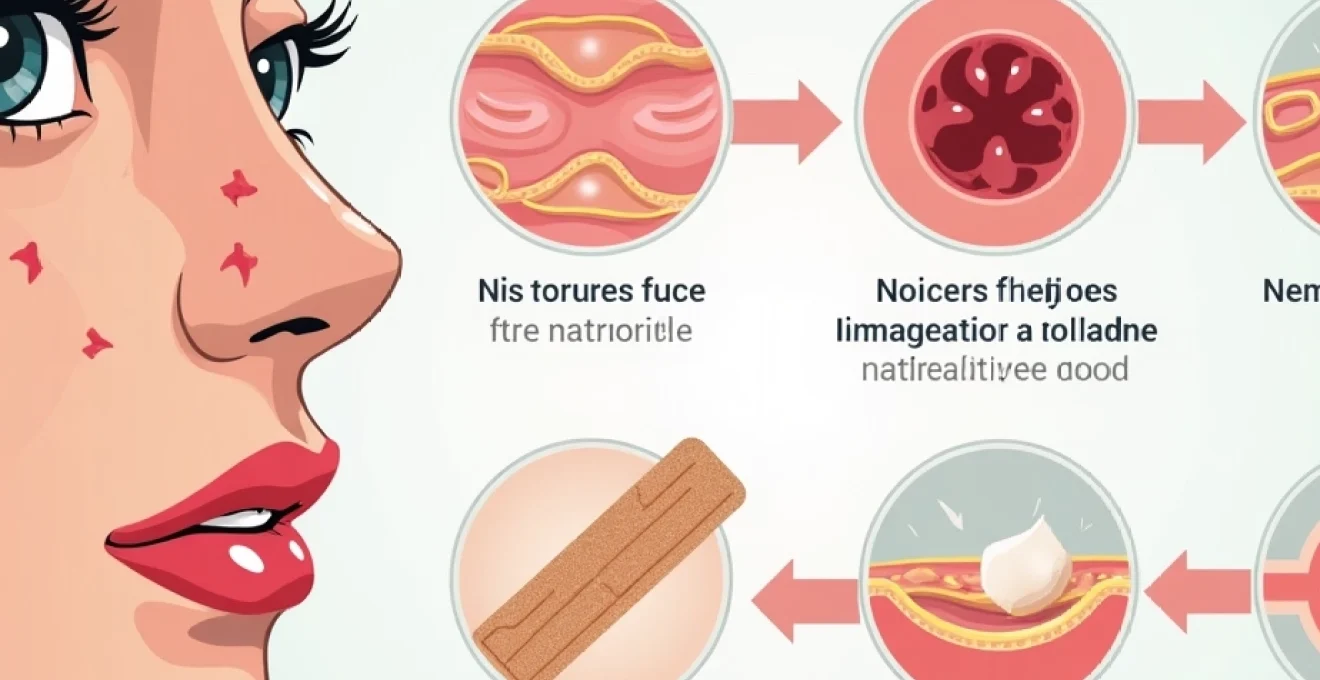
The appearance of a cold sore can be both physically uncomfortable and emotionally distressing, prompting many individuals to seek immediate relief through various coverage methods. Cold sores, caused by the herpes simplex virus type 1 (HSV-1), affect millions of people worldwide and present unique challenges in terms of treatment and management. The question of whether to apply a conventional band-aid to these viral lesions represents a common dilemma that requires careful consideration of multiple factors, including healing dynamics, infection prevention, and social comfort. Understanding the complex interplay between occlusive dressings and viral pathophysiology becomes crucial when making informed decisions about cold sore management strategies.
Understanding cold sore pathophysiology and herpes simplex virus transmission mechanisms
HSV-1 viral replication cycle and epithelial cell invasion patterns
The herpes simplex virus type 1 demonstrates remarkable efficiency in its ability to infiltrate and replicate within epithelial cells of the oral and perioral regions. Upon initial contact with susceptible tissue, the virus attaches to specific cellular receptors through glycoprotein interactions, facilitating viral entry into the host cell. Once inside, HSV-1 hijacks the cellular machinery to produce viral proteins and genetic material, leading to rapid viral replication that typically occurs within 6-8 hours of initial infection. This aggressive replication cycle results in cell lysis and the characteristic vesicular lesions that define cold sore outbreaks.
The virus exhibits a preference for sensory nerve endings, particularly those innervating the trigeminal ganglia, where it establishes latency following the initial outbreak. During active replication phases, viral particles concentrate in the superficial layers of the epidermis, creating the fluid-filled blisters characteristic of herpes labialis. Understanding this cellular invasion pattern becomes essential when considering the appropriateness of occlusive dressings, as the viral load and tissue damage vary significantly throughout the outbreak progression.
Vesicular lesion formation and Fluid-Filled blister development timeline
Cold sore development follows a predictable timeline that spans approximately 7-10 days, beginning with the prodromal phase characterised by tingling, burning, or itching sensations. Within 24-48 hours, small vesicles appear on the affected area, typically measuring 2-4 millimetres in diameter and containing clear to slightly cloudy fluid rich in viral particles. These vesicles often cluster together, creating the distinctive appearance that distinguishes cold sores from other oral lesions.
The vesicular stage represents the period of highest viral concentration and infectivity, with fluid containing millions of viral particles per millilitre. During this phase, the surrounding tissue exhibits significant inflammation, resulting in erythema, swelling, and localised warmth. The delicate nature of these fluid-filled structures makes them particularly vulnerable to mechanical trauma, which can occur during the application or removal of conventional adhesive bandages.
Viral shedding phases and peak contagiosity windows during outbreak progression
Viral shedding patterns during cold sore outbreaks demonstrate significant variation in both intensity and duration, with peak shedding typically occurring during the vesicular stage. Research indicates that viral loads can reach concentrations of 10^6 to 10^8 plaque-forming units per swab during this critical period, making transmission risk exceptionally high. The shedding phase begins approximately 24 hours before visible lesions appear and continues throughout the active outbreak period.
Asymptomatic viral shedding also occurs in individuals with established HSV-1 infection, though at significantly lower concentrations than during active outbreaks. Studies suggest that asymptomatic shedding occurs on approximately 6-33% of days in infected individuals, emphasising the importance of consistent protective measures. The unpredictable nature of viral shedding complicates decisions about when and how to implement barrier protection methods such as band-aids or specialised patches.
Immune response activation and natural healing cascade processes
The body’s immune response to HSV-1 reactivation involves both innate and adaptive immunity mechanisms that work in concert to limit viral replication and promote tissue healing. Initial immune recognition triggers the release of interferons and other cytokines that help contain viral spread whilst activating local immune cells. Natural killer cells and cytotoxic T lymphocytes play crucial roles in eliminating infected cells and reducing viral burden.
The natural healing process involves several overlapping phases, including inflammatory response, proliferation, and tissue remodelling. During the inflammatory phase, increased vascular permeability allows immune cells and healing factors to reach the affected area, whilst the proliferation phase involves new tissue formation and re-epithelialisation.
The healing cascade requires optimal moisture balance and oxygen delivery to proceed efficiently, factors that can be significantly altered by occlusive dressings.
Occlusive dressing effects on cold sore healing dynamics
Moisture retention impact on wound healing versus viral proliferation
The application of occlusive dressings such as conventional band-aids creates a moist wound environment that can have both beneficial and detrimental effects on cold sore healing. Moist wound healing principles suggest that maintaining optimal hydration levels promotes cellular migration, reduces inflammation, and accelerates re-epithelialisation compared to dry healing conditions. However, the unique characteristics of viral lesions present additional considerations that complicate this traditional wound care approach.
Excessive moisture retention can potentially create favourable conditions for continued viral replication, as HSV-1 demonstrates enhanced survival in humid environments. The virus can remain viable for extended periods in moist conditions, potentially prolonging the infectious period and increasing transmission risk. The challenge lies in achieving optimal moisture balance that supports natural healing processes whilst minimising conditions conducive to viral proliferation and secondary bacterial infection.
Adhesive Band-Aid removal trauma and secondary tissue damage risks
Conventional adhesive bandages present significant risks of mechanical trauma during removal, particularly when applied to delicate vesicular lesions. The adhesive components can bond strongly to the moist surface of cold sores, and removal often results in the premature rupture of vesicles or disruption of newly formed tissue. This mechanical trauma can extend the healing time, increase pain and discomfort, and potentially lead to secondary bacterial infection through the creation of additional tissue damage.
The timing of bandage removal becomes critical, as adhesive bonds tend to strengthen over time, increasing the likelihood of tissue damage with prolonged application. Studies examining adhesive-related skin trauma indicate that repeated application and removal cycles can result in cumulative tissue damage that significantly impairs the natural healing process. The risk-benefit analysis must carefully weigh the protective benefits of coverage against the potential for adhesive-related complications.
Bacterial superinfection prevention through sterile barrier protection
Cold sores create open wounds that remain vulnerable to bacterial superinfection throughout the healing process, with Staphylococcus aureus and Streptococcus pyogenes representing the most common opportunistic pathogens. The application of sterile barrier protection can effectively reduce bacterial contamination risk, particularly in environments with high pathogen exposure or in individuals with compromised immune function.
However, the effectiveness of bacterial protection depends heavily on proper application technique, dressing selection, and change frequency. Conventional band-aids may create sealed environments that promote anaerobic bacterial growth if moisture accumulates beneath the adhesive. The development of biofilm formation under occlusive dressings represents a particular concern, as these bacterial communities demonstrate enhanced resistance to antimicrobial treatments and can significantly complicate the healing process.
Temperature and humidity microenvironment changes under occlusive coverage
Occlusive dressings create distinct microenvironmental changes that can significantly impact both viral behaviour and tissue healing dynamics. Temperature elevation beneath band-aids typically ranges from 1-3°C above ambient skin temperature, whilst relative humidity often approaches 100% within the covered area. These conditions can enhance enzymatic activity involved in healing processes but may also create favourable conditions for pathogen proliferation.
The altered microenvironment affects local blood flow patterns, immune cell function, and tissue oxygenation levels. Reduced oxygen tension beneath occlusive dressings can impair certain aspects of wound healing whilst potentially creating conditions that favour anaerobic bacterial growth.
The microenvironmental changes must be carefully balanced to optimise healing outcomes whilst minimising complications associated with excessive moisture and temperature elevation.
Evidence-based treatment protocols and clinical management guidelines
Topical antiviral medications: aciclovir and penciclovir application techniques
Topical antiviral medications represent the first-line treatment approach for cold sore management, with aciclovir and penciclovir demonstrating proven efficacy in reducing outbreak duration and symptom severity. Aciclovir cream applied five times daily beginning at the first sign of symptoms can reduce healing time by approximately 0.5-1 day compared to placebo treatment. The medication works by interfering with viral DNA replication, effectively limiting viral proliferation during active outbreaks.
Penciclovir cream offers extended intracellular activity with twice-daily application requirements, making it more convenient for many patients whilst maintaining comparable efficacy to aciclovir. Proper application technique involves gentle dabbing rather than rubbing, which minimises mechanical trauma to delicate vesicular tissue. The timing of antiviral initiation proves critical, with maximum benefit achieved when treatment begins during the prodromal phase before visible lesions develop.
Oral antiviral therapy: valaciclovir and famciclovir dosing regimens
Oral antiviral medications provide systemic treatment that can be particularly beneficial for individuals experiencing frequent recurrences or severe outbreaks. Valaciclovir, administered as 2 grams twice daily for one day, offers convenient episodic treatment that can significantly reduce outbreak duration and severity when initiated early. Famciclovir provides similar benefits with dosing regimens of 1500mg as a single dose or 750mg twice daily for one day.
Suppressive therapy using daily oral antivirals may be recommended for individuals experiencing six or more outbreaks per year, with valaciclovir 500mg daily or famciclovir 250mg twice daily showing effectiveness in reducing recurrence frequency. The decision to implement suppressive therapy requires careful consideration of individual risk factors, outbreak frequency, and potential side effects. Patient education regarding proper timing and dosing remains essential for optimal treatment outcomes with oral antiviral therapy.
Cold compress therapy and ice application for pain management
Cold therapy represents a simple yet effective approach for managing pain and inflammation associated with cold sore outbreaks. Application of ice packs or cold compresses for 10-15 minutes several times daily can provide significant symptomatic relief whilst potentially slowing viral replication through temperature reduction. The vasoconstrictor effects of cold therapy help reduce local swelling and can minimise the appearance of inflammatory changes surrounding active lesions.
Proper cold therapy technique involves wrapping ice or cold packs in thin cloth to prevent direct contact with skin, which could result in tissue damage or frostbite. The timing of cold application proves important, with maximum benefit achieved during the early stages of outbreak development. Alternating cold therapy with periods of normal temperature prevents tissue damage whilst maintaining therapeutic benefits throughout the treatment period.
Lysine supplementation and dietary intervention strategies
Lysine supplementation has gained attention as a potential adjunctive treatment for cold sore prevention and management, though scientific evidence remains mixed regarding its efficacy. Some studies suggest that lysine may interfere with viral replication by competing with arginine, an amino acid required for HSV-1 replication. Typical supplementation regimens involve 1000-3000mg of lysine daily during active outbreaks, with some individuals using lower doses for prevention.
Dietary modifications focusing on increasing lysine intake whilst reducing arginine consumption may provide additional benefits for some individuals. Foods high in lysine include dairy products, fish, and lean meats, whilst arginine-rich foods such as nuts, chocolate, and seeds may be temporarily reduced during active outbreaks. The individual response to dietary interventions varies significantly, and these approaches should complement rather than replace proven antiviral treatments.
Transmission prevention strategies and contamination control measures
Preventing HSV-1 transmission during active cold sore outbreaks requires comprehensive contamination control measures that extend beyond simple lesion coverage. The virus can survive on surfaces for several hours to days, depending on environmental conditions, making indirect transmission a significant concern. Rigorous hand hygiene represents the cornerstone of transmission prevention, with thorough handwashing required before and after any contact with the affected area.
Personal item contamination presents particular challenges, as the virus can persist on items such as lip balm, toothbrushes, eating utensils, and towels. Replacement or thorough disinfection of these items becomes necessary to prevent reinfection or transmission to household members. The implementation of barrier precautions during intimate contact remains essential, with avoiding kissing and oral contact representing primary prevention strategies during active outbreaks.
Educational initiatives play crucial roles in transmission prevention, particularly regarding the concept of asymptomatic viral shedding and the potential for transmission even in the absence of visible lesions. Healthcare providers emphasise the importance of disclosure to intimate partners and the consistent use of barrier methods during oral contact. The social stigma associated with herpes infections often complicates transmission prevention efforts, highlighting the need for sensitive and comprehensive patient education approaches.
Environmental control measures in healthcare settings require particular attention, with standard precautions including glove use during patient contact and proper disposal of contaminated materials. The virus demonstrates sensitivity to standard disinfection procedures, making routine cleaning protocols effective for environmental contamination control.
Comprehensive transmission prevention strategies must address both direct and indirect transmission routes whilst providing practical guidance for daily life activities.
Alternative wound care approaches and specialised cold sore patches
Specialised hydrocolloid patches designed specifically for cold sore management offer significant advantages over conventional band-aids in terms of both effectiveness and safety. These advanced dressing technologies utilise hydrocolloid gel matrices that create optimal healing environments whilst providing discrete coverage for social comfort. Unlike traditional adhesives, hydrocolloid patches form gentle bonds with surrounding healthy skin whilst avoiding adherence to the moist lesion surface, significantly reducing trauma during removal.
The hydrocolloid technology creates a moist healing environment that promotes natural tissue repair whilst absorbing excess exudate and maintaining cleanliness. Many specialised patches incorporate additional therapeutic agents such as tea tree oil, aloe vera, or zinc oxide that may provide antimicrobial or anti-inflammatory benefits. The discrete nature of these patches addresses the psychological and social aspects of cold sore management, allowing individuals to maintain confidence during outbreak periods.
Clinical studies comparing specialised cold sore patches to conventional treatments demonstrate comparable or superior healing outcomes with improved patient satisfaction scores. The patches typically remain in place for 8-12 hours, providing continuous protection and treatment whilst allowing normal daily activities. The cost-effectiveness of specialised patches varies depending on outbreak frequency and individual response patterns, but many patients find the convenience and discretion worth the additional expense compared to traditional band-aids.
Alternative topical approaches include the use of natural healing agents such as petroleum jelly, honey, or specialised lip balms that provide moisture retention without occlusive effects. These approaches offer gentler alternatives for individuals with sensitive skin or concerns about adhesive reactions. The selection of appropriate wound care approaches depends on individual factors including lesion characteristics, lifestyle requirements, and personal preferences regarding visibility and comfort.
When to seek professional medical intervention and complications assessment
Professional medical consultation becomes necessary when cold sore outbreaks demonstrate unusual characteristics, prolonged duration, or signs of complications that extend beyond typical healing patterns. Lesions that fail to heal within 10-14 days, show signs of bacterial superinfection, or demonstrate unusual size or distribution require immediate medical evaluation. Immunocompromised individuals face particular risks for severe or atypical presentations that may require specialised treatment approaches.
Complications requiring urgent medical attention include the development of widespread vesicular lesions, eye involvement, or signs of systemic illness such as fever and malaise in association with oral lesions. Eczema herpeticum represents a potentially serious complication that can occur in individuals with atopic dermatitis, requiring prompt antiviral therapy to prevent progression. The recognition of complicated presentations requires understanding of typical outbreak patterns and awareness of warning signs that indicate more serious conditions.
Recurrent outbreaks occurring more frequently than six times per year may warrant evaluation for suppressive antiviral
therapy or evaluation for underlying immune dysfunction. Patients experiencing severe pain that interferes with daily activities, unusual lesion characteristics, or frequent complications may benefit from specialist dermatological or infectious disease consultation.
The decision to implement suppressive therapy requires comprehensive evaluation of individual risk factors, including immune status, stress levels, and lifestyle factors that may contribute to outbreak frequency. Healthcare providers assess the impact of recurrent outbreaks on quality of life, work productivity, and social relationships when determining appropriate treatment strategies. Early intervention with professional guidance can prevent progression to more severe complications whilst optimising long-term management approaches.
Emergency medical attention becomes necessary if cold sores are accompanied by high fever, difficulty swallowing, or signs of dehydration, particularly in children or elderly individuals. Pregnant women experiencing primary HSV-1 infection require immediate medical evaluation due to potential risks to both maternal and foetal health. The development of neurological symptoms such as severe headache, neck stiffness, or altered mental status in association with oral herpes requires urgent evaluation to exclude rare but serious complications such as herpes simplex encephalitis.
Documentation of outbreak patterns, triggers, and treatment responses provides valuable information for healthcare providers when developing personalised management strategies. Patients should maintain records of outbreak frequency, duration, severity, and response to various treatments to facilitate optimal care planning. Collaborative care approaches involving patients as active participants in their treatment decisions often yield superior outcomes compared to passive treatment compliance alone.
Professional medical guidance becomes essential when standard treatment approaches fail to provide adequate symptom control or when complications arise that extend beyond typical cold sore presentations.
The integration of professional medical care with appropriate self-management strategies, including the judicious use of protective coverings such as specialised patches rather than conventional band-aids, offers the best approach for optimal cold sore management. Healthcare providers can provide personalised recommendations regarding the appropriateness of occlusive dressings based on individual lesion characteristics, healing patterns, and lifestyle requirements. Regular follow-up appointments allow for treatment plan adjustments and early identification of potential complications that may require intervention.
Understanding when conventional band-aids may be inappropriate for cold sore coverage requires consideration of multiple factors including lesion stage, individual healing patterns, and risk of complications. While the desire to cover unsightly lesions remains understandable from both aesthetic and social perspectives, the potential for adhesive trauma, delayed healing, and increased infection risk often outweighs the perceived benefits of conventional bandage application. Specialised hydrocolloid patches designed specifically for cold sore management provide superior alternatives that address coverage needs whilst supporting optimal healing outcomes.
The decision-making process regarding cold sore coverage should involve careful evaluation of individual circumstances, treatment goals, and available alternatives. Healthcare providers can offer evidence-based guidance regarding the most appropriate coverage options based on current research and clinical experience. Patient education regarding proper wound care principles and realistic expectations for healing timelines helps ensure informed decision-making that optimises both clinical outcomes and patient satisfaction with treatment approaches.