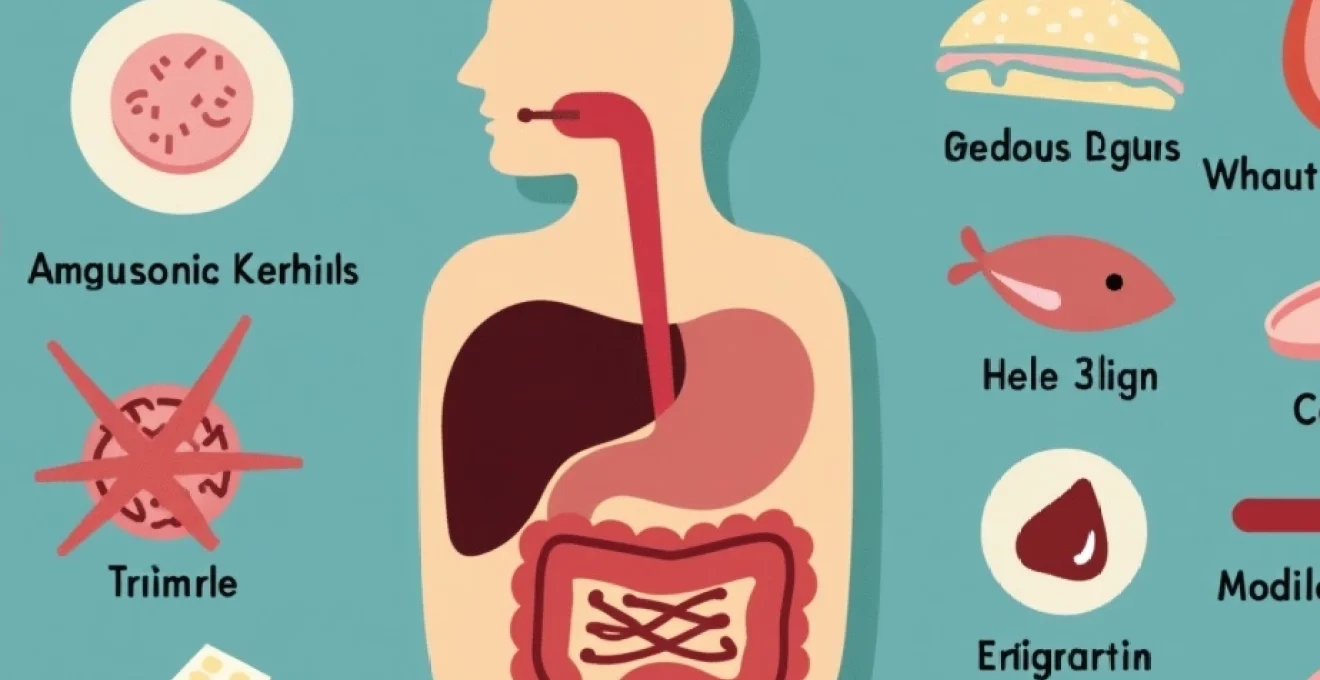
Armour Thyroid, a natural desiccated thyroid medication derived from porcine thyroid glands, has been prescribed for decades to treat hypothyroidism and other thyroid disorders. While this medication can effectively restore thyroid hormone levels, understanding its potential side effects is crucial for both healthcare providers and patients. The unique composition of Armour Thyroid, containing both T3 and T4 hormones in their natural ratios, can produce distinct adverse reactions that differ from synthetic thyroid medications. Most side effects occur when thyroid hormone levels become elevated beyond therapeutic ranges, a condition known as thyrotoxicosis. Recognising these effects early allows for appropriate dosage adjustments and improved treatment outcomes.
Common gastrointestinal side effects of armour thyroid treatment
The gastrointestinal system frequently responds to elevated thyroid hormone levels with various symptoms that can significantly impact quality of life. These digestive disturbances typically emerge when Armour Thyroid dosing exceeds optimal therapeutic levels, creating a state of medication-induced hyperthyroidism.
Nausea and vomiting mechanisms in desiccated thyroid therapy
Nausea represents one of the most commonly reported gastrointestinal side effects of Armour Thyroid therapy. The mechanism involves thyroid hormones’ effects on gastric motility and the central nervous system’s nausea centres. When T3 and T4 levels become excessive, they accelerate metabolic processes throughout the digestive tract, potentially leading to gastric irritation and delayed emptying. This physiological disruption can manifest as persistent nausea, particularly during the first few hours after medication administration.
Vomiting may occur as a progression of severe nausea, especially when thyroid hormone levels reach dangerously high concentrations. The timing of these symptoms often correlates with peak hormone absorption, typically occurring 2-4 hours after taking Armour Thyroid. Patients experiencing recurrent nausea should monitor their symptoms carefully, as this may indicate the need for dosage reduction or alternative treatment approaches.
Diarrhoea and stool consistency changes with T3/T4 combination
Diarrhoea represents another significant gastrointestinal manifestation of excessive thyroid hormone exposure. The combination of T3 and T4 in Armour Thyroid can accelerate intestinal transit time, reducing water absorption and leading to loose, frequent bowel movements. This effect stems from thyroid hormones’ ability to stimulate beta-adrenergic receptors in the intestinal smooth muscle, increasing peristaltic activity.
Patients may notice changes in stool consistency ranging from soft-formed stools to watery diarrhoea, depending on the degree of hormonal excess. The frequency of bowel movements often increases substantially, with some individuals experiencing 6-10 movements daily during periods of thyrotoxicosis. These changes can lead to dehydration and electrolyte imbalances if left unaddressed, emphasising the importance of prompt medical attention when persistent diarrhoea occurs.
Abdominal cramping and digestive motility alterations
Abdominal cramping frequently accompanies other gastrointestinal side effects of Armour Thyroid therapy. These cramps result from increased intestinal motility and irregular peristaltic patterns caused by excessive thyroid hormone stimulation. The cramping typically presents as intermittent, sharp pains throughout the abdomen, often preceding bowel movements or occurring in waves throughout the day.
Digestive motility alterations extend beyond cramping to include changes in gastric emptying rates and overall digestive efficiency. Some patients report feelings of abdominal fullness or bloating, while others experience rapid gastric emptying that contributes to malabsorption of nutrients. These motility changes can create a cyclical pattern where digestive symptoms worsen with continued excessive dosing, highlighting the importance of careful dose titration.
Appetite fluctuations during thyroid hormone titration
Appetite changes represent a complex side effect of Armour Thyroid therapy, with patients experiencing either increased or decreased food intake depending on individual responses and hormone levels. Many individuals initially notice increased appetite as their metabolism accelerates, yet this may be accompanied by difficulty maintaining weight due to enhanced caloric expenditure. Conversely, some patients develop reduced appetite associated with gastrointestinal symptoms or anxiety-related side effects.
During dose titration periods, appetite fluctuations can be particularly pronounced as the body adjusts to changing hormone levels. These variations often correlate with other systemic symptoms, creating challenges for maintaining proper nutrition. Understanding these patterns helps healthcare providers guide patients through the adjustment period while monitoring for signs of over-treatment that require dose modifications.
Cardiovascular complications associated with armour thyroid dosing
The cardiovascular system demonstrates particular sensitivity to thyroid hormone excess, with potentially serious complications arising from inappropriate Armour Thyroid dosing. These effects stem from thyroid hormones’ profound influence on cardiac function, vascular resistance, and overall circulation.
Tachycardia and heart rate variability in hyperthyroid states
Tachycardia represents one of the most concerning cardiovascular side effects of excessive Armour Thyroid dosing. Thyroid hormones directly affect cardiac pacemaker cells, increasing both heart rate and contractility. Patients may experience resting heart rates exceeding 100 beats per minute, with some individuals developing rates above 140 beats per minute during severe thyrotoxicosis. This sustained elevation places significant stress on the cardiovascular system and can precipitate more serious complications.
Heart rate variability also becomes altered during states of medication-induced hyperthyroidism. Normal circadian rhythm patterns may be disrupted, with patients experiencing persistently elevated heart rates even during rest periods. The inability to achieve normal heart rate recovery after physical activity can indicate dangerous levels of thyroid hormone excess requiring immediate medical intervention.
Hypertension development from excessive T3 conversion
Hypertension frequently develops as a consequence of excessive thyroid hormone levels, particularly when T3 concentrations become markedly elevated. Armour Thyroid’s natural T3 content can lead to rapid increases in circulating active hormone, affecting both systolic and diastolic blood pressure. The mechanism involves increased cardiac output combined with altered peripheral vascular resistance, creating a complex hypertensive pattern.
Systolic blood pressure often shows the most dramatic increases, sometimes exceeding 180 mmHg in severely affected patients. This elevation reflects enhanced cardiac contractility and increased stroke volume mediated by thyroid hormone effects on myocardial cells. Diastolic pressure may remain relatively stable or show modest increases, creating a widened pulse pressure that characterises hyperthyroid-induced hypertension. Monitoring blood pressure regularly becomes essential for patients receiving Armour Thyroid, particularly during dose adjustments.
Arrhythmia risk factors in elderly patients on NDT
Elderly patients face increased susceptibility to cardiac arrhythmias when receiving natural desiccated thyroid therapy. Age-related changes in cardiac conduction systems, combined with potential pre-existing heart disease, create heightened vulnerability to rhythm disturbances. Atrial fibrillation represents the most common serious arrhythmia, occurring in approximately 15-20% of elderly patients with thyrotoxicosis.
The risk factors for arrhythmia development include advanced age, underlying coronary artery disease, and rapid dose escalation of Armour Thyroid. Elderly patients often require lower starting doses and more gradual titration to minimise cardiovascular risks. Regular electrocardiographic monitoring becomes particularly important in this population, especially when symptoms suggest possible rhythm disturbances.
Chest pain and palpitation patterns with thyroid overdose
Chest pain associated with Armour Thyroid overdose can manifest in several distinct patterns, ranging from mild discomfort to severe angina-like symptoms. The pain often results from increased myocardial oxygen demand exceeding supply, particularly in patients with underlying coronary artery disease. Some individuals experience sharp, stabbing pains that correlate with palpitations, while others report dull, pressure-like sensations across the chest.
Palpitations represent subjective awareness of abnormal heart rhythms or forceful cardiac contractions. Patients frequently describe these as “heart racing,” “skipping beats,” or “pounding sensations” that can be particularly distressing during nighttime hours. The pattern of palpitations often provides clues about the degree of thyroid hormone excess, with constant awareness suggesting more severe overdosing compared to intermittent episodes.
Central nervous system reactions to natural desiccated thyroid
The central nervous system exhibits remarkable sensitivity to thyroid hormone fluctuations, producing a spectrum of neurological and psychiatric symptoms when Armour Thyroid levels become excessive. These effects can significantly impair daily functioning and quality of life.
Anxiety and panic disorder exacerbation with rapid T3 absorption
Anxiety represents one of the most distressing neurological side effects of Armour Thyroid therapy, particularly affecting individuals with pre-existing anxiety disorders. The rapid absorption of T3 from desiccated thyroid preparations can trigger acute anxiety episodes within hours of medication administration. This anxiety often manifests as generalised worry, restlessness, and heightened stress responses that interfere with normal daily activities.
Panic attacks can occur in susceptible individuals, especially during initial treatment phases or following dose increases. These episodes typically include physical symptoms such as rapid heartbeat, sweating, and shortness of breath, which can be mistaken for cardiac complications. The combination of cardiovascular and neurological symptoms creates a particularly challenging clinical picture requiring careful evaluation to distinguish between anxiety-related and cardiac-related manifestations.
Insomnia patterns and sleep architecture disruption
Sleep disturbances represent common and troublesome side effects of Armour Thyroid therapy when hormone levels become elevated. Patients frequently report difficulty falling asleep, frequent awakening throughout the night, and early morning arousal with inability to return to sleep. These patterns reflect thyroid hormones’ effects on sleep architecture and circadian rhythm regulation.
The disruption extends beyond simple insomnia to include changes in REM sleep patterns and deep sleep stages. Many patients report feeling unrefreshed upon waking despite spending adequate time in bed. This sleep fragmentation can perpetuate other side effects, including anxiety, irritability, and cognitive difficulties, creating a cycle of symptoms that compounds the challenges of thyroid hormone optimisation.
Tremor development and motor control issues
Fine tremors affecting the hands and fingers represent characteristic neurological manifestations of thyroid hormone excess. These tremors typically present as rapid, low-amplitude movements that become particularly noticeable during fine motor tasks such as writing or holding objects. The tremor often worsens with emotional stress or caffeine consumption, potentially interfering with occupational and daily activities.
Motor control issues can extend beyond tremor to include muscle weakness and coordination difficulties. Some patients report feeling “shaky” or unsteady, particularly when standing or walking. These symptoms reflect thyroid hormones’ effects on neuromuscular function and can be particularly concerning for elderly patients who may already have balance or mobility challenges.
Cognitive function changes during armour thyroid adjustment
Cognitive function can be significantly affected during Armour Thyroid dose adjustments, with patients experiencing various mental symptoms ranging from improved clarity to severe concentration difficulties. During periods of over-treatment, many individuals report feeling “wired” or hyperalert, with racing thoughts that make it difficult to focus on specific tasks. This mental overstimulation can paradoxically impair cognitive performance despite subjective feelings of increased mental energy.
Memory issues may also emerge, particularly affecting short-term recall and information processing. Some patients describe feeling mentally “scattered” or unable to complete complex tasks that were previously manageable. These cognitive changes often fluctuate with hormone levels, improving as dosing is optimised but potentially recurring if over-treatment develops again.
Headache frequency and migraine precipitation mechanisms
Headaches frequently accompany thyroid hormone excess, affecting a significant proportion of patients receiving Armour Thyroid therapy. These headaches can range from mild tension-type symptoms to severe, debilitating episodes that interfere with daily functioning. The mechanism involves thyroid hormones’ effects on cerebral blood flow and neurotransmitter systems, creating vascular and neurochemical changes that trigger pain pathways.
Migraine precipitation represents a particularly challenging aspect of Armour Thyroid therapy for susceptible individuals. The combination of T3 and T4 can lower migraine thresholds, making previously well-controlled patients more vulnerable to severe headache episodes. These migraines often display typical features including throbbing pain, light sensitivity, and nausea, but may be more frequent and intense than baseline patterns.
Metabolic and endocrine adverse reactions to porcine thyroid extract
The metabolic and endocrine systems respond dramatically to thyroid hormone excess from Armour Thyroid therapy, producing complex physiological changes that can affect multiple organ systems simultaneously. These reactions often develop gradually and may not be immediately apparent to patients or healthcare providers, making regular monitoring essential for safe treatment.
Weight loss represents one of the most noticeable metabolic effects of excessive Armour Thyroid dosing. Unlike the gradual weight normalisation expected with appropriate treatment, excessive hormone levels can cause rapid, uncontrolled weight loss that may be accompanied by muscle wasting and nutritional deficiencies. Patients may lose several pounds per week during periods of over-treatment, despite maintaining normal or increased caloric intake. This weight loss can be particularly concerning in elderly patients or those already at low body weights.
Heat intolerance develops as thyroid hormones increase metabolic rate and thermogenesis throughout the body. Patients frequently report excessive sweating, inability to tolerate warm environments, and preference for cooler temperatures. This thermal dysregulation can affect sleep quality and daily comfort, with some individuals requiring air conditioning even during cooler weather. The sweating can be particularly problematic at night, leading to sleep disruption and clothing changes that further compromise rest quality.
Blood sugar regulation can be significantly affected by excessive thyroid hormone levels, particularly in diabetic patients. Thyroid hormones increase glucose absorption from the intestine and enhance glycogenolysis, potentially leading to elevated blood glucose levels. Diabetic patients may notice increased insulin requirements or loss of glycaemic control during periods of thyroid hormone excess. Conversely, some patients experience reactive hypoglycaemia as enhanced metabolism rapidly depletes glucose stores.
The metabolic acceleration caused by excessive Armour Thyroid can increase caloric requirements by 20-30% above normal levels, creating significant nutritional challenges for affected patients.
Bone metabolism can be adversely affected by prolonged thyroid hormone excess, with increased bone turnover leading to potential osteoporosis risk. This effect is particularly concerning for postmenopausal women and elderly patients who may already have compromised bone density. The mechanism involves thyroid hormones’ stimulation of osteoclast activity, leading to increased bone resorption that can outpace bone formation.
Dermatological manifestations of armour thyroid intolerance
Skin and hair changes represent visible manifestations of thyroid hormone excess that can cause significant cosmetic and psychological distress for patients receiving Armour Thyroid therapy. These dermatological effects often serve as early warning signs of over-treatment and can provide valuable clinical information for dosage adjustments.
Hair loss represents one of the most distressing dermatological side effects, affecting both adults and children receiving thyroid hormone therapy. The pattern typically involves diffuse thinning rather than localised baldness, with increased hair shedding becoming noticeable during washing or brushing. In children, this effect usually occurs within the first few months of treatment and is generally temporary, with hair growth resuming as hormone levels stabilise. However, adult patients may experience more persistent hair loss that can take several months to reverse even after dosage correction.
Skin changes can include increased warmth, moisture, and flushing as peripheral blood flow increases in response to elevated thyroid hormone levels. Many patients notice their skin becoming noticeably warmer to touch and may develop persistent facial flushing or redness. The skin may also become more sensitive to sun exposure, with some individuals developing increased susceptibility to sunburn or photosensitivity reactions.
Nail changes can occur with prolonged thyroid hormone excess, including increased growth rate, brittleness, and separation from the nail bed. Some patients notice their nails becoming softer or more prone to breaking, while others may develop ridging or other textural changes. These nail alterations often lag behind other symptoms and may persist for several months after hormone levels are corrected due to the slow growth rate of nail tissue.
Dermatological changes from Armour Thyroid often provide the first visible
evidence of excessive thyroid hormone levels, often appearing before more serious systemic complications develop.
Sweating patterns can become dramatically altered with thyroid hormone excess, with many patients experiencing profuse sweating even during minimal physical activity or in cool environments. This excessive perspiration often has a distinct quality, being more profuse and persistent than normal stress-related sweating. The sweating can be particularly problematic during sleep, leading to frequent clothing and bedding changes that disrupt rest quality.
Drug interaction profiles and contraindications with armour thyroid therapy
Understanding drug interactions and contraindications is essential for safe Armour Thyroid therapy, as numerous medications and medical conditions can significantly affect thyroid hormone absorption, metabolism, or clinical effects. These interactions can lead to either inadequate treatment response or dangerous thyroid hormone excess, making careful medication review crucial for optimal outcomes.
Calcium and iron supplements represent some of the most clinically significant interactions with Armour Thyroid therapy. These minerals can bind to thyroid hormones in the gastrointestinal tract, forming insoluble complexes that prevent proper absorption. Patients taking calcium carbonate, iron supplements, or multivitamins containing these minerals should separate their administration from Armour Thyroid by at least four hours to minimise this interaction. Coffee and soy products can similarly affect absorption, requiring careful timing considerations.
Cholesterol-lowering medications, particularly bile acid sequestrants like cholestyramine and colesevelam, can significantly reduce Armour Thyroid absorption. These medications work by binding bile acids in the intestine, but they can also bind thyroid hormones, preventing their absorption into the systemic circulation. Patients requiring both medications need careful monitoring and potentially higher thyroid hormone doses to achieve therapeutic effects.
Cardiac medications require special consideration when prescribing Armour Thyroid, as thyroid hormones can potentiate the effects of certain drugs while interfering with others. Beta-blockers may mask some symptoms of thyroid hormone excess, making it more difficult to recognise over-treatment. Conversely, thyroid hormones can increase the effects of warfarin and other anticoagulants, requiring more frequent monitoring of blood clotting parameters and potential dose adjustments.
Diabetes medications present another important interaction category, as thyroid hormones can affect glucose metabolism and insulin sensitivity. Diabetic patients may require adjustments to their antidiabetic medications when starting or changing Armour Thyroid doses. Blood glucose monitoring becomes particularly important during thyroid hormone titration periods, as both hyperglycaemia and hypoglycaemia can occur depending on individual patient responses.
Patients taking multiple medications should always inform their healthcare providers about all supplements and over-the-counter products, as even seemingly harmless substances can significantly affect Armour Thyroid therapy.
Certain medical conditions represent absolute or relative contraindications to Armour Thyroid therapy. Untreated adrenal insufficiency can be life-threatening when combined with thyroid hormone therapy, as thyroid hormones can precipitate adrenal crisis in patients with compromised adrenal function. Similarly, patients with severe cardiovascular disease, particularly those with recent myocardial infarction or unstable angina, may not be suitable candidates for standard thyroid hormone replacement due to increased cardiac risks.
Pregnancy considerations require special attention, as thyroid hormone requirements typically increase during pregnancy while the consequences of both under-treatment and over-treatment can affect both mother and baby. While Armour Thyroid can be used during pregnancy, many healthcare providers prefer synthetic preparations due to more predictable hormone content and easier dose adjustments. Breastfeeding women can generally continue Armour Thyroid therapy, but monitoring remains important to ensure adequate treatment without excess.
Age-related considerations become particularly important for elderly patients, who may have increased sensitivity to thyroid hormone effects and higher rates of cardiovascular disease. Starting doses should typically be lower in older adults, with more gradual titration to minimise the risk of cardiac complications. Regular monitoring becomes even more critical in this population, as symptoms of over-treatment may be subtle or attributed to other age-related conditions.
The complexity of Armour Thyroid interactions and contraindications underscores the importance of comprehensive medical evaluation before starting therapy and ongoing monitoring throughout treatment. Patients should maintain open communication with their healthcare providers about any new medications, supplements, or health conditions that might affect their thyroid hormone therapy. This collaborative approach helps ensure safe and effective treatment while minimising the risk of adverse reactions or drug interactions that could compromise health outcomes.