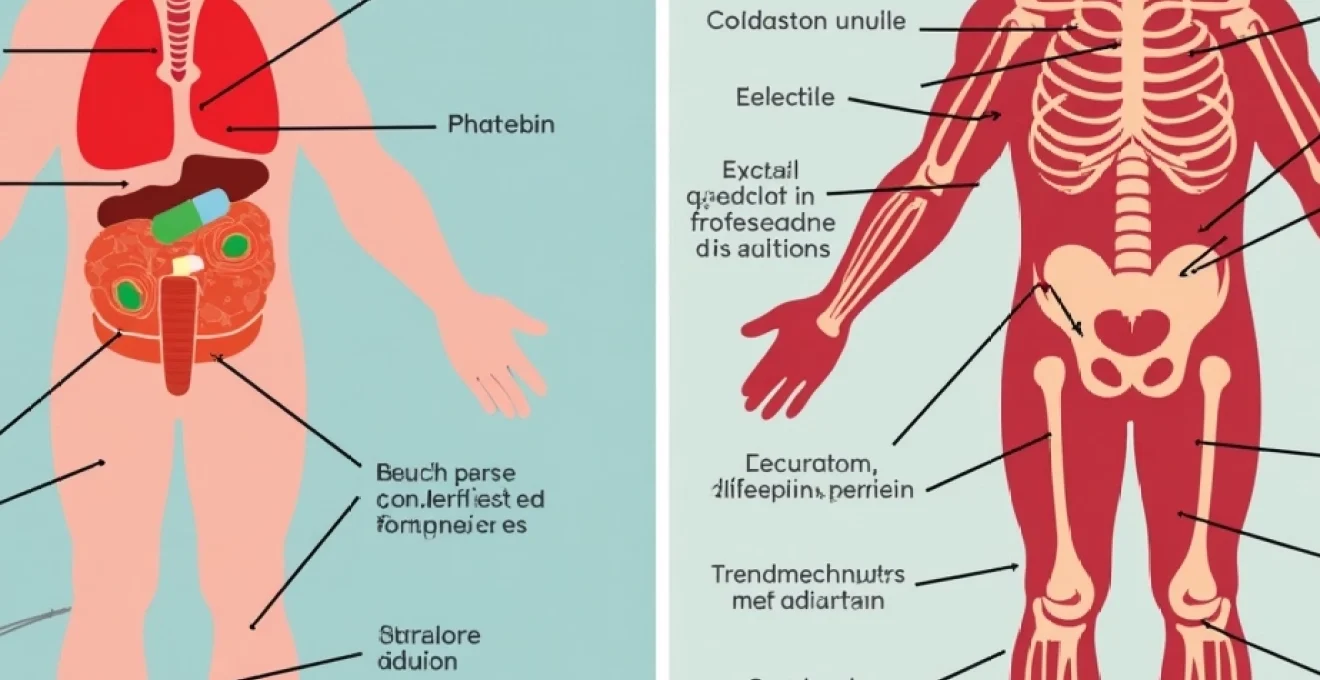
The concurrent administration of hydrocodone and alprazolam (Xanax) represents one of the most dangerous drug combinations encountered in modern clinical practice. This pairing of an opioid analgesic with a benzodiazepine anxiolytic creates a synergistic effect that dramatically increases the risk of respiratory depression, oversedation, and potentially fatal overdose. Research indicates that approximately 30% of opioid-related overdoses involve benzodiazepines, highlighting the critical importance of understanding these drug interactions. Healthcare professionals and patients must recognise that even when both medications are prescribed legitimately and taken as directed, the combination can result in life-threatening complications that demand immediate medical attention.
Pharmacological mechanisms of hydrocodone and alprazolam interaction
Opioid receptor binding and CNS depression synergy
Hydrocodone exerts its analgesic effects primarily through binding to mu-opioid receptors located throughout the central nervous system, particularly in the brainstem respiratory centres. This interaction triggers a cascade of intracellular events that ultimately suppress neuronal excitability and reduce pain perception. However, the same mechanism that provides pain relief also depresses vital respiratory functions. When hydrocodone binds to these receptors, it reduces the brain’s sensitivity to carbon dioxide levels, effectively diminishing the natural drive to breathe.
The addition of alprazolam to this already compromised system creates a multiplicative rather than additive effect . Whilst hydrocodone directly suppresses respiratory drive through opioid receptor activation, alprazolam enhances this suppression through an entirely different pathway. This dual mechanism of action means that the combined respiratory depression exceeds what would be expected from simply adding the individual effects of each drug together.
GABA-A receptor modulation and respiratory centre suppression
Alprazolam functions as a positive allosteric modulator of gamma-aminobutyric acid (GABA) receptors, specifically the GABA-A subtype. GABA serves as the brain’s primary inhibitory neurotransmitter, and when alprazolam enhances its activity, the result is widespread neuronal inhibition throughout the central nervous system. This mechanism underlies alprazolam’s effectiveness in treating anxiety and panic disorders, but it also significantly impacts the respiratory control centres in the medulla oblongata.
The respiratory centres rely on precise neural signalling to maintain appropriate breathing patterns. When alprazolam enhances GABA activity in these regions, it reduces the frequency and depth of respiratory signals. Combined with hydrocodone’s direct suppression of respiratory drive, this creates a dangerous convergence of mechanisms that can rapidly lead to respiratory failure. The brainstem’s ability to respond to hypoxia or hypercapnia becomes severely compromised, potentially resulting in sudden respiratory arrest.
Cytochrome P450 enzyme competition and metabolic interference
Both hydrocodone and alprazolam undergo extensive hepatic metabolism through the cytochrome P450 enzyme system, particularly CYP3A4 and CYP2D6 isoforms. When these medications are administered concurrently, they compete for the same metabolic pathways, potentially leading to altered drug clearance and prolonged half-lives. This metabolic interference can result in unexpectedly high plasma concentrations of both drugs, even when standard therapeutic doses are employed.
The clinical implications of this metabolic competition extend beyond simple dose-response relationships. Patients may experience delayed onset of peak drug effects, prolonged duration of action, and unpredictable pharmacokinetic profiles. This variability makes it extremely difficult to predict individual patient responses and increases the risk of inadvertent overdose, even in patients who have previously tolerated each medication independently without adverse effects.
Neurotransmitter pathway disruption in brainstem function
The interaction between hydrocodone and alprazolam extends beyond their primary receptor targets to affect multiple neurotransmitter systems critical for maintaining consciousness and vital functions. Both drugs influence dopaminergic, noradrenergic, and serotonergic pathways that regulate arousal, respiratory drive, and cardiovascular function. This widespread neurotransmitter disruption can manifest as profound sedation, altered mental status, and compromised autonomic nervous system function.
Particularly concerning is the impact on the reticular activating system, the brainstem network responsible for maintaining consciousness and coordinating vital functions. When this system becomes suppressed by the combined effects of both medications, patients may experience rapid transitions from normal consciousness to coma , with little warning or opportunity for intervention. This sudden onset of severe central nervous system depression distinguishes polydrug overdoses from single-agent poisoning and contributes to their higher mortality rates.
Clinical manifestations of concurrent Hydrocodone-Alprazolam administration
Acute respiratory depression and hypoxaemia symptoms
The most immediately life-threatening consequence of combining hydrocodone and alprazolam is severe respiratory depression, which typically manifests as progressively slowing and shallow breathing. Initial signs may be subtle, including slight increases in respiratory intervals or decreased chest wall movement, but these can rapidly progress to periods of apnoea lasting 10-20 seconds or longer. Healthcare providers and caregivers must recognise that respiratory depression often occurs before visible signs of overdose become apparent.
Hypoxaemia develops as oxygen saturation levels drop below normal physiological ranges, typically manifesting as cyanosis around the lips, fingernails, and mucous membranes. However, pulse oximetry readings may not immediately reflect the severity of respiratory compromise, particularly in patients with underlying cardiovascular conditions. The combination of drugs can cause oxygen saturation to plummet from normal levels to dangerously low readings within minutes, creating a medical emergency requiring immediate intervention.
Sedation cascade and altered consciousness levels
Progressive sedation represents another hallmark of hydrocodone-alprazolam toxicity, typically following a predictable pattern from mild drowsiness to complete unresponsiveness. This sedation cascade often begins with seemingly benign symptoms such as increased sleepiness or difficulty concentrating, which may be mistaken for therapeutic effects rather than early warning signs of overdose. As drug concentrations increase, patients progress through various levels of consciousness impairment.
The Glasgow Coma Scale becomes a valuable assessment tool in these situations, as patients may demonstrate scores indicating moderate to severe neurological impairment. Unlike sedation from individual drugs, the combined effects create a particularly profound and persistent alteration in consciousness that may not respond appropriately to external stimuli. Family members and caregivers should be educated to recognise when normal sleepiness transitions into dangerous oversedation requiring immediate medical attention.
Cardiovascular compromise and haemodynamic instability
Cardiovascular effects of combined hydrocodone and alprazolam administration include bradycardia, hypotension, and reduced cardiac output. These haemodynamic changes result from both direct cardiac depression and secondary effects of respiratory compromise. As oxygen levels decrease and carbon dioxide accumulates, the cardiovascular system attempts to compensate through increased heart rate and contractility, but the drug combination blunts these normal physiological responses.
Blood pressure may drop precipitously due to reduced vascular tone and decreased cardiac output. This hypotension can be particularly dangerous in elderly patients or those with pre-existing cardiovascular disease, as it may precipitate myocardial ischaemia or stroke. The combination of respiratory and cardiovascular depression creates a cascading failure of multiple organ systems that requires aggressive medical intervention to prevent permanent damage or death.
Cognitive impairment and psychomotor dysfunction indicators
Even at sub-toxic doses, the combination of hydrocodone and alprazolam produces significant cognitive impairment that extends far beyond the individual effects of either drug alone. Patients experience difficulties with memory formation, attention span, and executive function that can persist for hours after drug administration. This cognitive dysfunction significantly increases the risk of accidents, falls, and poor decision-making that can lead to additional injuries or complications.
Psychomotor coordination becomes severely impaired, affecting balance, fine motor control, and reaction times. Simple tasks such as walking, driving, or operating household appliances become dangerous activities that can result in serious accidents. The unpredictable nature of these impairments means that patients may feel capable of normal activities whilst actually experiencing significant functional deficits that compromise their safety and the safety of others around them.
Documented case studies and emergency department presentations
Emergency departments across the United Kingdom report increasing numbers of patients presenting with complications from concurrent hydrocodone and alprazolam use. A typical presentation involves a patient found unresponsive by family members, often with evidence of both medications present at the scene. These cases frequently require immediate intubation and mechanical ventilation due to severe respiratory depression that fails to respond to supplemental oxygen alone.
One particularly instructive case involved a 45-year-old patient prescribed hydrocodone for chronic back pain and alprazolam for anxiety disorder. Despite following prescribed dosing schedules for both medications, the patient was found unconscious with a respiratory rate of 6 breaths per minute and oxygen saturation of 78%. The patient required naloxone administration, intubation, and intensive care monitoring for 48 hours before achieving full neurological recovery. This case illustrates how even appropriate medical use can result in life-threatening complications .
Emergency physicians report that patients presenting with combined opioid-benzodiazepine overdoses often require higher doses of naloxone and more prolonged observation periods compared to single-drug overdoses. The naloxone may successfully reverse the opioid effects but cannot address the continued sedation and respiratory depression caused by alprazolam. This creates complex clinical scenarios where patients may appear to improve initially but then deteriorate again as naloxone effects wear off whilst benzodiazepine effects persist.
Recovery patterns in these cases tend to be more variable and unpredictable than with single-agent overdoses. Some patients experience prolonged periods of confusion and disorientation even after respiratory function normalises. Others may have recurrent episodes of sedation as drug concentrations fluctuate during metabolism. These challenging clinical presentations underscore why prevention through education and careful prescribing practices remains the most effective intervention strategy.
Contraindications and High-Risk patient populations
Elderly patients and Age-Related pharmacokinetic changes
Patients over 65 years of age face significantly elevated risks when prescribed hydrocodone and alprazolam concurrently due to age-related changes in drug metabolism and elimination. Declining liver function reduces the efficiency of cytochrome P450 enzymes responsible for metabolising both medications, leading to prolonged half-lives and increased bioavailability. Additionally, decreased kidney function affects the elimination of active metabolites, further extending drug effects.
Body composition changes in elderly patients, including increased adipose tissue and decreased lean body mass, alter drug distribution patterns and can lead to unexpected accumulation of lipophilic drugs like alprazolam. The blood-brain barrier also becomes more permeable with age, allowing greater drug concentrations to reach the central nervous system. These physiological changes mean that standard adult doses may produce toxic effects in elderly patients , even when each medication would be well-tolerated individually.
Hepatic impairment and reduced drug clearance capacity
Patients with liver disease face particular dangers from hydrocodone-alprazolam combinations due to severely compromised drug metabolism capacity. Conditions such as cirrhosis, hepatitis, or drug-induced liver injury can reduce cytochrome P450 enzyme activity by 50-90%, dramatically prolonging drug half-lives and increasing the risk of accumulation to toxic levels. Even mild hepatic impairment can significantly alter pharmacokinetics in ways that are difficult to predict.
The Child-Pugh classification system helps stratify risk levels, with Class B and C patients facing exponentially increased dangers from this drug combination. These patients may require dose reductions of 75% or more, or complete avoidance of the combination altogether. Regular monitoring of liver function tests becomes essential, but these laboratory values may not reflect real-time changes in metabolic capacity during acute illnesses or disease progression.
Concurrent alcohol use disorder and polysubstance dependencies
Patients with active alcohol use disorders or histories of substance abuse represent an extremely high-risk population for dangerous interactions between hydrocodone and alprazolam. Alcohol potentiates the central nervous system depressant effects of both medications through multiple mechanisms, including enhanced GABA activity and altered drug metabolism. Even small amounts of alcohol consumed hours before medication administration can significantly increase overdose risk.
Chronic alcohol use induces changes in liver enzyme activity that can either accelerate or inhibit drug metabolism, depending on drinking patterns and liver health status. Patients may develop tolerance to sedative effects whilst remaining susceptible to respiratory depression, creating a dangerous dissociation between perceived and actual drug effects . Healthcare providers must carefully assess substance use histories and consider alternative pain management and anxiety treatment strategies for these vulnerable populations.
Pre-existing respiratory conditions and sleep apnoea syndromes
Patients with underlying respiratory conditions such as chronic obstructive pulmonary disease, asthma, or sleep apnoea face dramatically increased risks from hydrocodone-alprazolam combinations. These conditions already compromise respiratory reserve and the ability to compensate for drug-induced respiratory depression. Sleep apnoea patients are particularly vulnerable because their baseline respiratory control is already impaired during sleep cycles.
Obstructive sleep apnoea creates periods of intermittent hypoxia and hypercapnia that may be dramatically worsened by central nervous system depressants. The combination can convert manageable sleep-disordered breathing into life-threatening respiratory failure. Continuous positive airway pressure therapy may not provide adequate protection against drug-induced respiratory depression, particularly during the deeper sedation levels achieved with combined medications.
Alternative therapeutic strategies and safer analgesic protocols
Healthcare providers must explore comprehensive alternative approaches when patients require both pain management and anxiety treatment to avoid the dangerous combination of hydrocodone and alprazolam. Multimodal pain management strategies offer effective alternatives that can reduce or eliminate opioid requirements whilst addressing underlying pain mechanisms. These approaches typically combine non-opioid analgesics, topical therapies, physical interventions, and psychological support techniques.
Non-opioid analgesics such as paracetamol, ibuprofen, and gabapentinoids can provide significant pain relief with substantially lower risks of respiratory depression or dangerous drug interactions. Topical analgesics, including capsaicin creams and local anaesthetic patches, offer targeted pain relief without systemic drug exposure. Physical therapy, cognitive behavioural therapy, and mindfulness-based interventions address both pain and anxiety through non-pharmacological mechanisms that avoid drug interaction risks entirely.
For anxiety management, selective serotonin reuptake inhibitors and serotonin-norepinephrine reuptake inhibitors provide effective long-term anxiety control without the immediate risks associated with benzodiazepines. These medications require several weeks to achieve full therapeutic effects but offer sustained anxiety reduction without respiratory depression or dangerous drug interactions. Buspirone represents another safer alternative for generalised anxiety disorder that lacks the sedative properties and interaction potential of benzodiazepines.
When opioid therapy remains necessary for severe pain conditions, careful medication selection and monitoring protocols can minimise interaction risks. Tramadol may offer reduced respiratory depression risk compared to traditional opioids, though it still requires caution with benzodiazepine co-administration. Extended-release formulations can provide consistent analgesia with lower peak concentrations, potentially reducing interaction severity. Regular reassessment of both pain and anxiety symptoms allows for timely adjustments to treatment regimens as conditions improve or change over time.
Medical emergency response and naloxone administration protocols
Recognition and immediate response to hydrocodone-alprazolam overdose can mean the difference between full recovery and permanent neurological damage or death. Family members, caregivers, and healthcare providers must understand the critical signs that demand immediate emergency intervention. The presence of slow, shallow breathing (fewer than 12 breaths per minute), blue discolouration around lips or fingernails, and unresponsiveness to verbal or physical stimuli constitute medical emergencies requiring immediate emergency services activation.
Naloxone administration represents the first-line antidote for opioid components of the overdose, but its limitations in mixed drug overdoses must be clearly understood. Whilst naloxone effectively reverses hydrocodone-induced respiratory depression, it has no effect on alprazolam-induced sedation or respiratory suppression. This means that patients may show initial improvement following naloxone administration but can deteriorate again as naloxone effects diminish whilst benzodiazepine effects persist.
Emergency responders must be prepared for the possibility that multiple naloxone doses may be required, and patients need continued monitoring even after apparent recovery.
The standard naloxone dose for adults is 0.4-2mg administered intranasally or intramuscularly, with effects typically appearing within 2-3 minutes. However, patients experiencing combined opioid-benzodiazepine overdoses may require doses at the higher end of this range or repeated administrations every 2-3 minutes. Critical assessment parameters include respiratory rate, oxygen saturation, and level of consciousness, with the understanding that complete normalisation may not occur due to ongoing benzodiazepine effects.
Healthcare providers must prepare family members and caregivers for the complex recovery pattern typical of mixed overdoses. Patients may experience periods of improved consciousness followed by renewed sedation as naloxone redistributes and metabolises whilst alprazolam continues to exert central nervous system depressant effects. Emergency medical services should be contacted immediately, even if naloxone appears effective, because professional medical monitoring and potential flumazenil administration may be necessary to address the benzodiazepine component of the overdose.
Hospital emergency departments typically employ comprehensive support protocols for mixed drug overdoses, including continuous cardiac monitoring, serial arterial blood gas analysis, and neurological assessments. Mechanical ventilation may be required for extended periods, particularly in patients who fail to maintain adequate spontaneous respiration after naloxone administration. The decision to administer flumazenil, the benzodiazepine antidote, requires careful consideration due to seizure risks in patients with chronic benzodiazepine dependence.
Prevention strategies must emphasise the importance of medication reconciliation and clear communication between healthcare providers when multiple prescribers are involved in a patient’s care. Patients receiving both hydrocodone and alprazolam require enhanced monitoring protocols, including more frequent follow-up appointments, careful dose titration, and comprehensive education about interaction risks. Electronic health records systems should include automated alerts to flag potentially dangerous drug combinations and prompt prescriber review before dispensing these medications concurrently.
The devastating consequences of combining hydrocodone and alprazolam extend beyond immediate overdose risks to encompass long-term health implications, increased healthcare costs, and profound impacts on families and communities. Understanding these complex pharmacological interactions, recognising high-risk patient populations, and implementing comprehensive alternative treatment strategies represent essential components of responsible medical practice. Healthcare providers, patients, and caregivers must work collaboratively to ensure that pain management and anxiety treatment goals are achieved through the safest possible therapeutic approaches, avoiding combinations that place patients at unnecessary risk of serious harm or death.