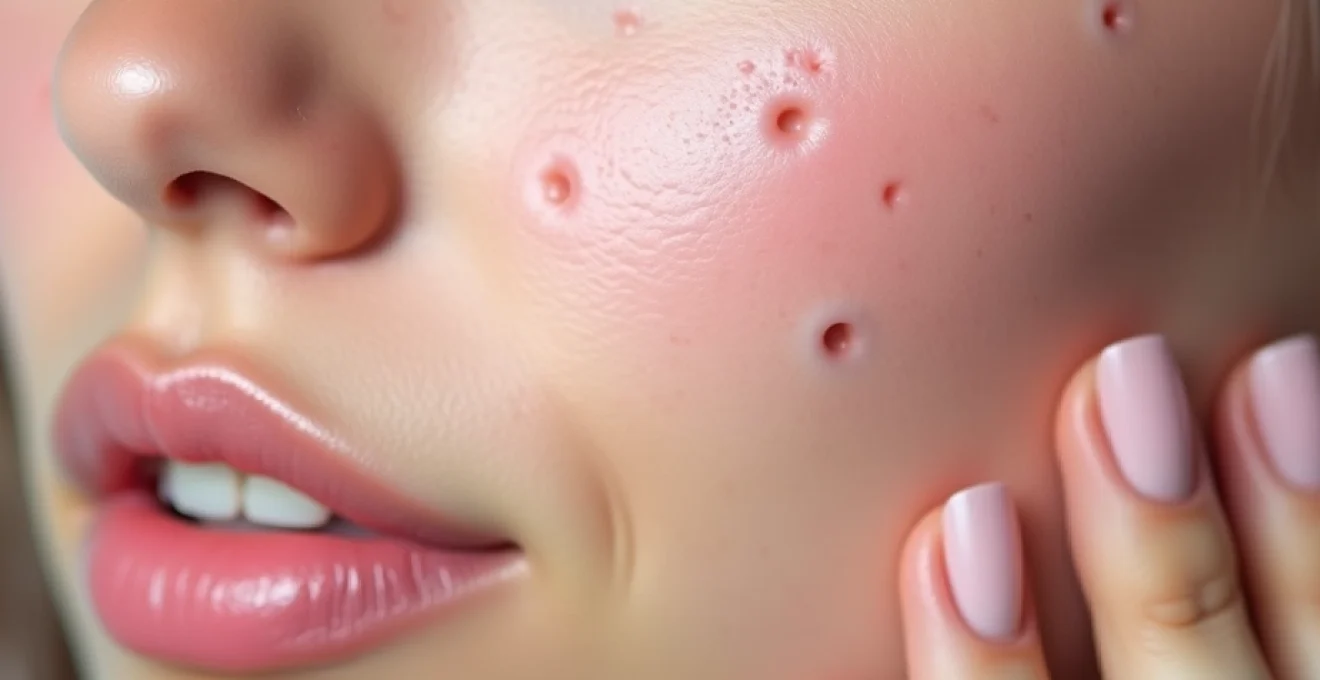
Acne affects millions of people worldwide, driving countless individuals to explore unconventional treatment options beyond traditional over-the-counter solutions. One such alternative that has garnered attention in online communities is Campho-Phenique , a topical antiseptic traditionally marketed for cold sores and minor skin irritations. This phenol-based medication combines camphor and phenol in a formulation that some users claim provides remarkable results for acne management. The growing interest in repurposing this antiseptic liquid stems from anecdotal reports of significant improvements in skin clarity when used as an off-label acne treatment. Understanding the scientific basis behind these claims requires examining the product’s chemical composition, application methods, and potential dermatological effects on acne-causing bacteria.
Campho-phenique chemical composition and active ingredients analysis
The therapeutic potential of Campho-Phenique in acne treatment lies primarily in its dual-active ingredient formulation. This antiseptic liquid contains 10.8% camphor and 4.7% phenol as its primary active components, creating a synergistic antimicrobial effect that targets various skin pathogens. The precise concentration of these ingredients distinguishes Campho-Phenique from other topical treatments, offering a unique approach to addressing inflammatory acne lesions.
Phenol concentration and antiseptic properties in acne treatment
Phenol serves as the primary antiseptic agent in Campho-Phenique, demonstrating broad-spectrum antimicrobial activity against both gram-positive and gram-negative bacteria. The 4.7% phenol concentration provides sufficient bactericidal properties to combat Propionibacterium acnes , the primary bacterial culprit in inflammatory acne development. This concentration strikes a balance between therapeutic efficacy and skin tolerance, making it suitable for topical application on facial skin.
The mechanism of action involves phenol’s ability to denature bacterial proteins and disrupt cellular membranes, leading to rapid bacterial cell death. Studies indicate that phenol concentrations between 2-5% demonstrate optimal antimicrobial activity while minimising excessive skin irritation. The 4.7% concentration in Campho-Phenique positions it within this therapeutic window, potentially explaining the positive anecdotal reports from acne sufferers.
Camphor extract mechanisms and Anti-Inflammatory effects
Camphor, derived from the Cinnamomum camphora tree, contributes multiple therapeutic benefits to acne treatment protocols. The 10.8% camphor concentration provides anti-inflammatory, cooling, and mild analgesic effects that can reduce the discomfort associated with inflammatory acne lesions. This concentration also stimulates local blood circulation, potentially enhancing the delivery of immune cells to affected areas and promoting faster healing of existing blemishes.
The anti-inflammatory properties of camphor work through multiple pathways, including the inhibition of inflammatory mediators and reduction of prostaglandin synthesis. This mechanism can help minimise the redness and swelling characteristic of papules and pustules, making camphor particularly valuable for treating inflammatory acne variants. Additionally, camphor’s cooling sensation provides immediate relief from the burning or stinging sensations often experienced with active acne lesions.
Eucalyptus oil components and sebum regulation
Although eucalyptus oil appears as a minor component in Campho-Phenique formulations, its presence contributes to the product’s overall therapeutic profile. Eucalyptus oil contains compounds such as eucalyptol and alpha-pinene, which possess antimicrobial and astringent properties. These components can help regulate sebum production, addressing one of the fundamental contributing factors to acne development.
The astringent effects of eucalyptus oil help tighten pores and reduce excessive oiliness, creating an environment less conducive to bacterial proliferation. This sebum-regulating effect complements the antimicrobial actions of phenol and camphor, creating a comprehensive approach to acne management. However, individuals with sensitive skin should exercise caution, as eucalyptus oil can occasionally cause contact sensitisation in susceptible people.
Light mineral oil base and skin penetration characteristics
The light mineral oil base in Campho-Phenique serves multiple functions beyond simple ingredient suspension. This petroleum-derived component enhances the penetration of active ingredients into the skin while providing a protective barrier that prevents excessive moisture loss. The occlusive properties of mineral oil can help maintain skin hydration, which is particularly important when using potentially drying antiseptic agents.
Contrary to common misconceptions about mineral oil causing acne, pharmaceutical-grade light mineral oil is non-comedogenic and unlikely to clog pores. The molecular size and purity of the mineral oil used in Campho-Phenique allow for appropriate skin penetration without creating an environment that promotes bacterial growth. This characteristic makes the formulation suitable for acne-prone skin, provided proper application techniques are followed.
Topical application techniques for comedonal and inflammatory acne
Successful acne treatment with Campho-Phenique requires understanding proper application methods tailored to different acne types and severities. The antiseptic nature of this product demands careful consideration of dosage, frequency, and application technique to maximise therapeutic benefits while minimising potential adverse effects. Developing an effective treatment protocol involves assessing individual skin sensitivity, acne severity, and concurrent skincare products.
Spot treatment protocol for papules and pustules
Spot treatment represents the most common and effective method for applying Campho-Phenique to inflammatory acne lesions. This targeted approach focuses the antimicrobial and anti-inflammatory effects directly on problem areas while minimising exposure to healthy skin. The protocol involves applying a thin layer of the product exclusively to individual lesions, avoiding broad application across unaffected areas.
For optimal results, spot treatment should occur twice daily – once in the morning and once before bedtime. The active ingredients require time to penetrate the lesion and exert their antimicrobial effects, making consistent application more important than frequent application. Overapplication can lead to excessive drying and potential chemical burns, particularly given the relatively high phenol concentration.
Proper spot treatment technique involves applying just enough product to create a thin, barely visible layer over the affected area, allowing the skin’s natural moisture to facilitate ingredient absorption.
Cotton swab application method and dosage control
Using cotton swabs for Campho-Phenique application provides precise dosage control and minimises cross-contamination between lesions. This method allows for accurate placement of the product while avoiding contact between fingers and the treated area, reducing the risk of introducing additional bacteria to inflamed skin. The cotton swab technique also prevents accidental overapplication, which can lead to chemical irritation.
The recommended dosage involves saturating the cotton swab tip with a small amount of Campho-Phenique, then gently dabbing the affected lesion. One application should cover an area approximately 2-3 millimetres in diameter, sufficient for most individual acne lesions. Multiple lesions require separate cotton swabs to prevent bacterial transfer, particularly important when treating active pustules that may contain infectious material.
Pre-application skin preparation and cleansing requirements
Proper skin preparation significantly influences the efficacy of Campho-Phenique treatment outcomes. The skin should be thoroughly cleansed with a gentle, non-comedogenic cleanser to remove surface oils, debris, and makeup that could interfere with product penetration. Harsh scrubbing should be avoided, as this can increase skin sensitivity and potentially worsen the irritating effects of phenol and camphor.
After cleansing, the skin should be completely dry before Campho-Phenique application. Residual moisture can dilute the active ingredients and reduce their concentration at the treatment site. Additionally, applying the product to damp skin may increase the risk of chemical irritation, as water can enhance the penetration of phenol beyond therapeutic levels. A waiting period of 5-10 minutes after cleansing ensures optimal skin preparation.
Treatment frequency guidelines for different acne severities
Treatment frequency should be adjusted based on acne severity and individual skin tolerance. Mild acne characterised by occasional papules may respond well to once-daily application, typically in the evening when the skin has more time to recover from potential irritation. Moderate acne with multiple inflammatory lesions may benefit from twice-daily application, though this should be introduced gradually to assess skin tolerance.
Severe acne cases require careful monitoring and potentially modified application protocols. While the antimicrobial effects of Campho-Phenique can benefit severe acne, the high phenol concentration may cause excessive irritation when applied to multiple lesions simultaneously. In such cases, alternating treatment areas or reducing application frequency may be necessary to maintain skin health while achieving therapeutic benefits.
Dermatological efficacy against propionibacterium acnes and staphylococcus epidermidis
The antimicrobial spectrum of Campho-Phenique encompasses the primary bacterial species implicated in acne pathogenesis. Propionibacterium acnes (now reclassified as Cutibacterium acnes ) represents the most significant target organism, as this anaerobic bacterium proliferates within sebaceous follicles and triggers inflammatory responses characteristic of acne vulgaris. The phenol component demonstrates particularly strong activity against this species, with minimum inhibitory concentrations well within the therapeutic range of the 4.7% formulation.
Laboratory studies indicate that phenol concentrations above 2% achieve rapid bactericidal effects against P. acnes within 30 seconds of contact. This rapid killing action makes Campho-Phenique potentially more effective than slower-acting antimicrobials that require prolonged contact times. The camphor component provides additional antimicrobial support, particularly against secondary bacterial infections that may complicate existing acne lesions.
Staphylococcus epidermidis , while part of the normal skin flora, can become pathogenic in the context of inflammatory acne. This gram-positive bacterium can colonise damaged hair follicles and contribute to persistent inflammation. The broad-spectrum activity of phenol effectively targets both S. epidermidis and other staphylococcal species that may complicate acne treatment. Studies demonstrate that phenol-based antiseptics achieve significant bacterial load reduction within minutes of application, supporting the rationale for twice-daily treatment protocols.
The dual-action antimicrobial approach of Campho-Phenique may help prevent the development of bacterial resistance, a growing concern with single-agent antimicrobial therapies. The combination of phenol and camphor creates multiple bacterial targets, making it more difficult for organisms to develop comprehensive resistance mechanisms. This characteristic could make Campho-Phenique valuable for individuals who have experienced treatment failures with conventional antibiotics.
Clinical effectiveness also depends on the product’s ability to penetrate sebaceous follicles where P. acnes predominantly resides. The light mineral oil base facilitates this penetration while the antiseptic agents work to eliminate bacterial populations at the infection site. This targeted approach addresses the root cause of inflammatory acne rather than simply treating surface symptoms, potentially leading to more durable treatment outcomes.
Clinical contraindications and adverse skin reactions
Despite its potential benefits, Campho-Phenique carries significant contraindications and risks that must be carefully considered before use in acne treatment. The high phenol concentration poses particular concerns for individuals with sensitive skin, compromised skin barriers, or certain medical conditions. Phenol toxicity can occur with excessive application or use on damaged skin, leading to systemic absorption and potential adverse effects.
Contact sensitisation represents one of the most common adverse reactions associated with Campho-Phenique use. Both phenol and camphor are known contact allergens that can trigger allergic contact dermatitis in susceptible individuals. This reaction typically manifests as increased redness, swelling, and irritation that extends beyond the application site. Once sensitisation occurs, continued use becomes contraindicated due to the risk of severe allergic reactions.
Chemical burns constitute a serious risk when Campho-Phenique is overapplied or used on broken skin. The 4.7% phenol concentration can cause tissue necrosis if left in contact with skin for extended periods or applied in excessive quantities. This risk is particularly elevated when the product is used under occlusive conditions or on areas with compromised skin integrity. Signs of chemical burning include severe pain, blistering, and tissue discoloration.
Individuals with a history of phenol sensitivity, compromised liver function, or extensive skin damage should avoid Campho-Phenique use due to increased risks of systemic toxicity and severe local reactions.
Pregnancy and breastfeeding represent additional contraindications due to potential systemic absorption of phenol and camphor. These substances can cross the placental barrier and appear in breast milk, potentially affecting foetal development or infant health. The safety profile during pregnancy remains unclear, making alternative acne treatments preferable for expectant mothers.
Children under 12 years of age should not use Campho-Phenique for acne treatment without medical supervision. Paediatric skin demonstrates increased absorption of topical agents, potentially leading to higher systemic exposure and increased risk of adverse effects. The developing skin barrier in children also shows greater susceptibility to chemical irritation and sensitisation.
Comparative analysis with salicylic acid and benzoyl peroxide treatments
When evaluating Campho-Phenique against established acne treatments, several key differences emerge in terms of mechanism of action, efficacy profile, and safety considerations. Salicylic acid , a beta-hydroxy acid, works primarily through keratolytic action, helping to unclog pores and reduce comedone formation. This mechanism differs significantly from the direct antimicrobial approach of Campho-Phenique, suggesting potential complementary rather than competitive therapeutic roles.
Benzoyl peroxide represents the closest comparator to Campho-Phenique in terms of antimicrobial activity against P. acnes . However, benzoyl peroxide works through oxidative mechanisms that generate free radicals, while phenol achieves bacterial killing through protein denaturation and membrane disruption. The oxidative approach of benzoyl peroxide can be more irritating to some individuals, while the phenol-based mechanism may offer better tolerance in selected cases.
Efficacy comparisons reveal that benzoyl peroxide has more extensive clinical trial data supporting its use in acne treatment, with concentrations ranging from 2.5% to 10% showing proven effectiveness. Campho-Phenique lacks similar clinical validation specifically for acne treatment, relying primarily on anecdotal reports and the known antimicrobial properties of its components. This evidence gap makes direct efficacy comparisons challenging.
Safety profiles differ significantly between these treatments. Salicylic acid generally demonstrates excellent tolerability with minimal risk of severe adverse reactions, making it suitable for long-term use. Benzoyl peroxide can cause bleaching of fabrics and hair, along with potential photosensitivity, but serious adverse reactions are uncommon. Campho-Phenique carries higher risks due to its phenol content, including potential chemical burns and systemic toxicity with misuse.
Cost considerations favour Campho-Phenique in terms of initial purchase price, as it typically costs less than prescription-strength benzoyl peroxide or salicylic acid formulations. However, the need for careful application and potential for adverse reactions may result in additional healthcare costs if complications arise. The economic analysis becomes more complex when considering the lack of insurance coverage for off-label use of Campho-Phenique in acne treatment.
Resistance development patterns also differ between treatments. Benzoyl peroxide and phenol-based antiseptics are less likely to promote bacterial resistance compared to topical antibiotics, making them valuable options for long-term acne management. Salicylic acid primarily addresses mechanical aspects of acne formation rather than bacterial components, making resistance development irrelevant for this mechanism of action.
The combination potential of these treatments requires careful consideration. While some individuals report success combining Campho-Phenique with other acne medications, the potential for increased irritation and adverse reactions must be weighed against any potential benefits. Professional guidance becomes particularly important when considering combination approaches, given the complex interactions between different active ingredients and their effects on skin barrier function.