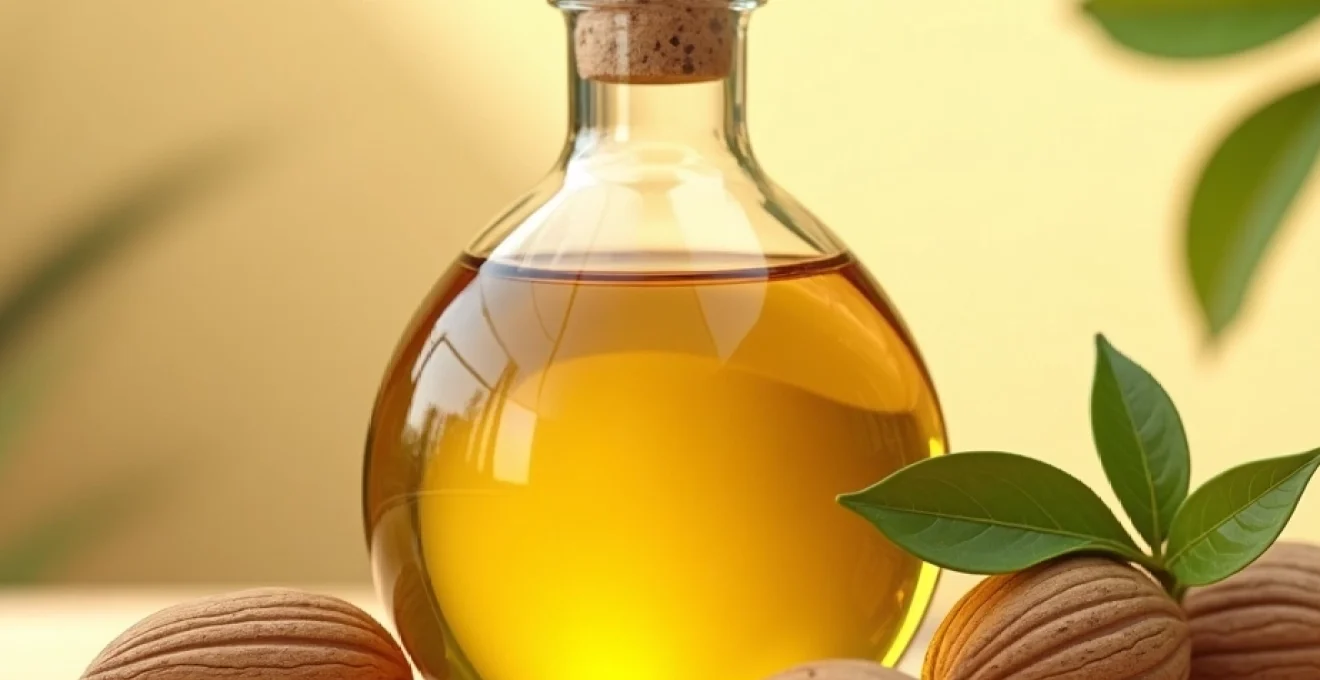
Understanding the natural fragrance of jojoba oil is crucial for anyone working with this versatile liquid wax, whether you’re formulating skincare products, creating natural perfumes, or simply using it for personal care. Unlike many carrier oils that possess distinct, sometimes overpowering aromas, jojoba oil presents a remarkably subtle olfactory profile that makes it invaluable in cosmetic formulations. The characteristic scent of pure jojoba oil typically manifests as a gentle, nutty aroma with earthy undertones, though the intensity and specific nuances can vary significantly based on extraction methods, geographic origin, and processing techniques. This understated fragrance profile has made jojoba oil a preferred choice for perfumers and cosmetic chemists who require a neutral base that won’t interfere with carefully crafted scent compositions.
Pure jojoba oil olfactory profile and molecular composition
The distinctive yet mild aroma of jojoba oil stems from its unique molecular structure as a liquid wax ester rather than a traditional triglyceride oil. This fundamental difference in chemical composition directly influences how volatile organic compounds are retained and released, creating the characteristic scent profile that distinguishes jojoba from other carrier oils.
Characteristic nutty and earthy aroma components
High-quality jojoba oil typically exhibits a faint nutty fragrance reminiscent of roasted almonds or hazelnuts, though significantly more subtle. This nutty character derives from naturally occurring aldehydes and esters present in the jojoba seed. The earthy undertones complement the nutty notes, creating what many describe as a warm, grounding scent that evokes natural, botanical origins. These earthy components often become more pronounced in unrefined, cold-pressed varieties where processing hasn’t stripped away the more volatile aromatic compounds.
Wax ester chemical structure impact on scent perception
The liquid wax ester composition of jojoba oil creates a unique aromatic behaviour compared to conventional plant oils. Wax esters are inherently more stable than triglycerides, meaning they retain their original scent characteristics for extended periods without developing rancid or off-odours. This stability explains why jojoba oil maintains its gentle, consistent fragrance profile even after months or years of storage. The molecular weight and structure of these wax esters also contribute to the oil’s low volatility , resulting in a scent that remains close to the skin rather than projecting strongly into the surrounding air.
Simmondsia chinensis natural fragrance volatiles
The Simmondsia chinensis plant produces several naturally occurring volatile compounds that contribute to jojoba oil’s distinctive aroma. These include various aldehydes, ketones, and aromatic esters that develop during the seed maturation process. Research indicates that the concentration of these volatiles can vary significantly based on growing conditions, harvest timing, and post-harvest handling. The most prominent volatile components include compounds similar to those found in nuts and seeds, explaining the characteristic nutty fragrance that many users recognise in high-quality jojoba oil.
Cold-pressed versus refined jojoba scent variations
Processing method dramatically affects the final scent profile of jojoba oil. Cold-pressed, unrefined jojoba oil retains the majority of its natural aromatic compounds, resulting in a more pronounced nutty and earthy fragrance. This processing method preserves the delicate volatile compounds that contribute to the oil’s characteristic scent. In contrast, refined jojoba oil undergoes additional processing steps including deodorisation, which removes most volatile compounds to create an almost odourless final product. Refined versions typically exhibit only the faintest trace of the original nutty aroma, making them particularly suitable for applications where a completely neutral scent profile is required.
Factors influencing jojoba oil scent intensity and character
Multiple variables contribute to the variation in jojoba oil fragrance characteristics, from agricultural practices to post-harvest processing techniques. Understanding these factors helps explain why different batches or brands of jojoba oil may exhibit varying scent intensities and subtle aromatic differences.
Extraction method effects on aromatic compound retention
The extraction method employed significantly influences which aromatic compounds survive the processing journey from seed to final product. Mechanical cold-pressing at temperatures below 40°C preserves the maximum amount of volatile compounds, resulting in jojoba oil with the most pronounced natural fragrance. Expeller pressing at slightly higher temperatures may reduce some volatile content whilst still maintaining much of the characteristic nutty aroma. Solvent extraction methods, whilst efficient for oil yield, can strip away many of the delicate aromatic compounds that give jojoba oil its distinctive scent profile.
Geographic origin impact: arizona versus argentina jojoba
Geographic origin plays a crucial role in determining the final scent characteristics of jojoba oil. Arizona-grown jojoba, cultivated in its native desert environment, often exhibits a more intense nutty fragrance with pronounced earthy undertones. The harsh desert conditions and mineral-rich soils contribute to the development of robust aromatic compounds within the seeds. Argentinian jojoba, grown in different climatic conditions and soil compositions, frequently displays a milder, sweeter nutty aroma with less pronounced earthy notes. These regional variations reflect the impact of terroir on aromatic compound development, similar to how wine grapes express their growing environment.
Processing temperature effects on volatile organic compounds
Temperature control during processing critically affects the retention of volatile aromatic compounds in jojoba oil. Processing temperatures above 60°C begin to degrade delicate volatile compounds, resulting in diminished fragrance intensity and altered scent characteristics. Cold-pressing operations maintaining temperatures below 40°C preserve the full spectrum of natural aromatics, whilst heat processing above 80°C can eliminate most volatile compounds entirely. This temperature sensitivity explains why strictly cold-pressed jojoba oil commands premium prices amongst perfumers and aromatherapists who value the complete natural fragrance profile.
Storage conditions and oxidation impact on fragrance profile
Proper storage conditions are essential for maintaining jojoba oil’s natural fragrance characteristics over time. Exposure to light, heat, and oxygen can gradually alter the aromatic profile, though jojoba’s exceptional stability means these changes occur slowly compared to other carrier oils. Prolonged exposure to temperatures above 25°C may cause subtle shifts in the nutty fragrance, whilst direct sunlight can break down volatile compounds responsible for the characteristic earthy notes. Oxygen exposure, whilst less problematic for jojoba than other oils due to its wax ester structure, can still cause gradual changes in aromatic intensity over extended periods.
Filtration and purification effects on natural aroma
The extent of filtration and purification processes directly influences the final aromatic profile of jojoba oil. Minimal filtration preserves the complete range of natural aromatic compounds, resulting in oil with the fullest fragrance expression. Multi-stage filtration processes may remove some volatile compounds along with impurities, creating a cleaner but potentially less aromatic final product. Advanced purification techniques, including activated carbon filtering and deodorisation, can eliminate virtually all aromatic compounds, producing essentially odourless jojoba oil preferred for certain cosmetic applications where fragrance neutrality is paramount.
Quality assessment through olfactory analysis of jojoba oil
Olfactory evaluation serves as one of the most reliable methods for assessing jojoba oil quality and authenticity. Professional cosmetic chemists and aromatherapists rely on scent analysis to identify adulteration, determine processing quality, and predict performance characteristics in various applications.
Fresh, high-quality jojoba oil should exhibit a pleasant, subtle nutty aroma without any harsh, rancid, or chemical notes that might indicate poor processing or adulteration.
The absence of off-odours is equally important as the presence of characteristic nutty notes when evaluating jojoba oil quality. Rancid smells, chemical odours, or unnaturally sweet fragrances often indicate adulteration with lower-grade oils or the presence of synthetic additives. Authentic jojoba oil maintains its gentle, consistent fragrance profile for years when properly stored, making dramatic scent changes a reliable indicator of quality degradation or contamination.
Experienced formulators can distinguish between different grades and processing methods through careful olfactory analysis. Premium cold-pressed jojoba oil typically exhibits a more complex aromatic profile with distinct nutty and earthy facets, whilst refined grades present a much simpler, more neutral scent signature. This olfactory fingerprinting capability proves invaluable when sourcing jojoba oil for specific applications where scent characteristics directly impact the final product performance.
Comparative scent testing against known standards provides another valuable quality assessment tool. By comparing unknown samples against verified reference standards, you can quickly identify variations in processing methods, potential adulteration, or quality degradation. This technique proves particularly useful when working with new suppliers or evaluating batch-to-batch consistency in commercial operations.
Common jojoba oil scent variations and their causes
Understanding typical scent variations in jojoba oil helps distinguish between normal processing differences and potential quality issues. Different grades and processing methods produce predictable aromatic variations that experienced users learn to recognise and interpret correctly.
Unrefined, cold-pressed jojoba oil typically presents the strongest aromatic profile, with distinct nutty notes ranging from almond-like to hazelnut-like characteristics. These variations often reflect differences in seed maturity at harvest, growing conditions, and specific extraction parameters. Some batches may exhibit more pronounced earthy undertones , particularly those from desert-grown crops where environmental stress concentrates aromatic compounds within the seeds.
Semi-refined jojoba oil undergoes partial processing that removes some volatile compounds whilst retaining enough aromatic character to maintain a recognisable nutty fragrance. This grade often appeals to formulators seeking a balance between fragrance neutrality and natural character. The scent typically presents as a softer, more diffuse nutty aroma without the sometimes intense earthy notes found in completely unrefined varieties.
Fully refined and deodorised jojoba oil exhibits minimal to no detectable fragrance, making it ideal for applications requiring complete scent neutrality. Any residual aroma in these highly processed grades should be barely perceptible and completely neutral in character. The presence of any distinct nutty, earthy, or other characteristic odours in supposedly refined jojoba oil may indicate incomplete processing or quality control issues.
Seasonal variations can also affect jojoba oil fragrance characteristics, particularly in oils sourced from single-harvest batches. Seeds harvested during different climatic conditions or at varying stages of maturity may produce oils with subtly different aromatic profiles. These natural variations are generally considered positive indicators of authenticity rather than quality defects, provided they fall within expected parameters for the specific grade and processing method.
Comparing jojoba oil fragrance to other carrier oils
Jojoba oil’s distinctive scent profile becomes more apparent when compared to other commonly used carrier oils. These comparisons help illustrate why jojoba has become such a popular choice for applications requiring specific aromatic characteristics or fragrance neutrality.
Sweet almond oil versus jojoba olfactory characteristics
Sweet almond oil presents a markedly different aromatic profile compared to jojoba oil, despite both oils sharing nutty fragrance notes. Sweet almond oil typically exhibits a sweeter, more pronounced nutty aroma with distinct marzipan-like characteristics that can be quite noticeable in cosmetic formulations. The fragrance of sweet almond oil tends to be more volatile and projective, meaning it’s more readily detected when applied to skin. In contrast, jojoba oil’s nutty notes are significantly more subtle and earthy, with much lower volatility that keeps the fragrance close to the skin rather than projecting into the surrounding air.
Argan oil scent profile comparison with jojoba
Argan oil possesses a distinctly different aromatic character that sets it apart from jojoba oil’s subtle profile. Fresh argan oil typically exhibits a stronger, more complex scent with nutty notes accompanied by slightly grassy or herbaceous undertones. Some users describe argan oil’s aroma as having a slight metallic or mineral quality, reflecting its Moroccan origin and traditional processing methods. Compared to jojoba oil’s gentle, consistent fragrance, argan oil presents a more assertive aromatic personality that can influence the scent of finished products. The intensity of argan oil’s fragrance also makes it less suitable for applications requiring complete scent neutrality.
Rosehip seed oil aromatic differences from jojoba
Rosehip seed oil demonstrates how dramatically different carrier oils can smell compared to jojoba oil’s neutral profile. Rosehip oil typically presents earthy, woody aromatic notes with a distinctly different character from jojoba’s nutty fragrance. The scent of rosehip oil is often described as more intense and persistent, with some users detecting slightly fishy or marine-like undertones, particularly in lower-grade extractions. This stronger aromatic presence makes rosehip oil less suitable for fragrance applications where complete neutrality is required , contrasting sharply with jojoba oil’s ability to remain virtually undetectable in finished formulations.
The remarkable scent neutrality of jojoba oil compared to other carrier oils explains its widespread adoption in high-end perfumery and sensitive skincare applications where aromatic interference cannot be tolerated.
Grapeseed oil fragrance distinctions against jojoba
Grapeseed oil offers another interesting comparison point for understanding jojoba oil’s unique aromatic characteristics. High-quality grapeseed oil typically presents a very light, almost neutral fragrance with subtle fruity or wine-like notes that reflect its grape origin. However, lower grades of grapeseed oil can exhibit noticeable chemical or solvent-like odours resulting from extraction methods using petroleum-based solvents. Jojoba oil’s consistent, natural nutty fragrance remains stable regardless of the extraction method employed, though intensity may vary. This reliability makes jojoba oil a more predictable choice for formulators who need consistent aromatic characteristics across different batches and suppliers.
The longevity of fragrance characteristics also differs significantly between these oils. Jojoba oil maintains its subtle nutty aroma for years when properly stored, whilst grapeseed oil may develop rancid odours relatively quickly due to its high polyunsaturated fatty acid content. This stability advantage reinforces jojoba oil’s value in applications where long-term aromatic consistency is essential for product quality and consumer satisfaction.