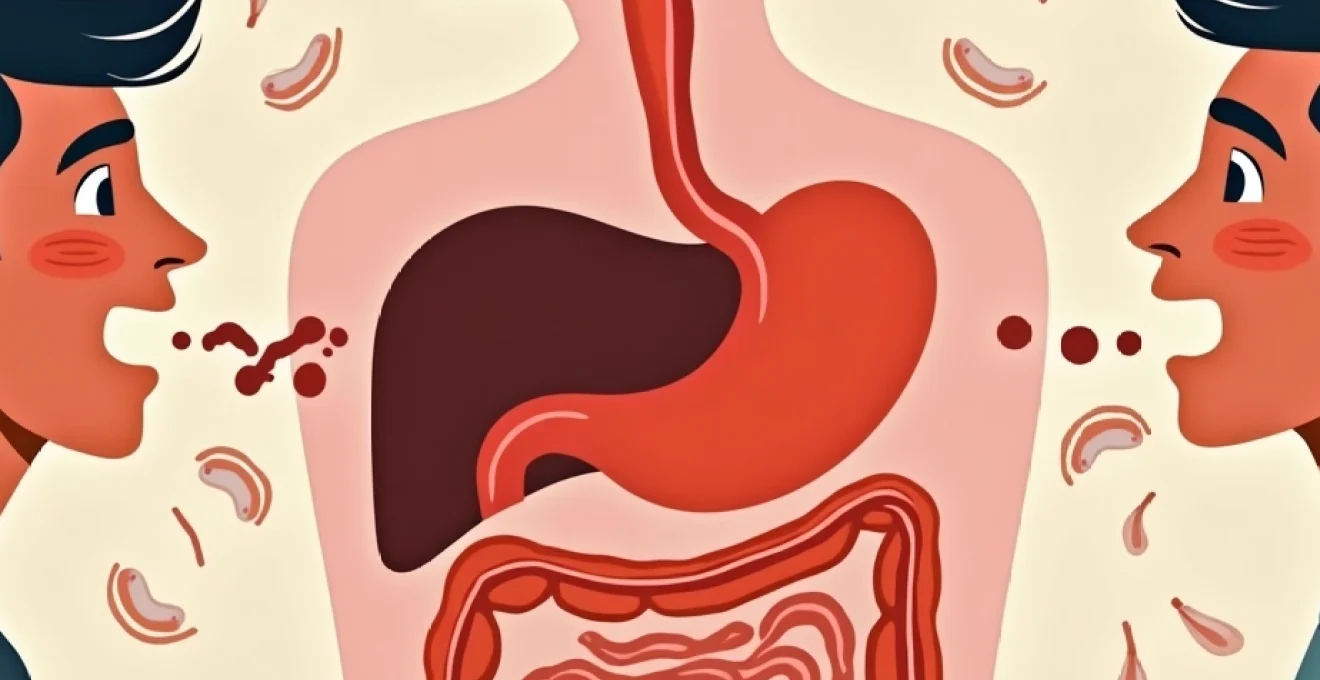
The unpleasant experience of burps tasting like vomit affects countless individuals, creating both social discomfort and legitimate health concerns. This phenomenon occurs when gastric contents, including stomach acid, partially digested food, and digestive enzymes, travel upward through the oesophagus during the natural burping process. Understanding the complex physiological mechanisms behind this digestive anomaly requires examining the intricate interplay between gastroesophageal reflux, biochemical composition of gastric secretions, and sensory perception pathways. The distinctive vomit-like taste emerges from a combination of hydrochloric acid, pepsin, bile salts, and volatile organic compounds that normally remain confined within the stomach environment.
Gastroesophageal reflux and retrograde flow mechanisms
Gastroesophageal reflux disease (GERD) represents the primary mechanism responsible for burps acquiring a vomit-like taste profile. This condition involves the abnormal backward flow of gastric contents into the oesophagus, fundamentally altering the composition and sensory characteristics of expelled gases. The retrograde movement of stomach acid creates an acidic environment that triggers the distinctive sour, bitter taste associated with vomit-flavoured eructation.
Lower oesophageal sphincter dysfunction during eructation
The lower oesophageal sphincter (LES) functions as a crucial muscular barrier between the stomach and oesophagus, maintaining pressure gradients that prevent gastric reflux under normal circumstances. During typical burping episodes, the LES should open briefly to allow gas expulsion whilst maintaining sufficient tension to prevent liquid gastric contents from ascending. However, when sphincter dysfunction occurs, the valve fails to discriminate between gas and liquid phases, permitting stomach acid and partially digested matter to accompany expelled air. This sphincter incompetence transforms ordinary burps into acidic, vomit-tasting experiences that can persist for several minutes after the initial eructation episode.
Gastric acid regurgitation through cardia opening
The cardia region, where the oesophagus connects to the stomach, serves as another critical control point for preventing gastric reflux during burping. Abnormal pressure dynamics within this anatomical junction can facilitate the upward movement of hydrochloric acid-rich gastric secretions. When intragastric pressure exceeds the resistance provided by the gastroesophageal junction, acidic stomach contents surge into the lower oesophagus, creating the characteristic burning sensation and vomit-like taste. This phenomenon becomes particularly pronounced following large meals, carbonated beverage consumption, or when lying flat shortly after eating, as gravitational forces compound the reflux tendency.
Pepsin and hydrochloric acid transport dynamics
The transport of pepsin and hydrochloric acid during reflux episodes creates a potent combination that directly contributes to the vomit-like taste sensation. Pepsin, the primary proteolytic enzyme responsible for protein digestion, remains active in acidic environments and continues breaking down proteins even within the oesophageal cavity. This ongoing enzymatic activity generates amino acid byproducts and peptide fragments that contribute to the complex flavour profile reminiscent of vomit. The concurrent presence of hydrochloric acid amplifies these taste sensations whilst creating the burning, acidic quality that characterises reflux-induced burping episodes.
Vagal nerve stimulation and reflux triggers
Vagal nerve stimulation plays a significant role in triggering gastroesophageal reflux events that produce vomit-tasting burps. Stress, certain foods, and hormonal fluctuations can activate vagal pathways that influence gastric motility and sphincter function. This neurological component explains why some individuals experience vomit-flavoured burps during periods of emotional stress or after consuming specific trigger foods. The vagus nerve also regulates gastric acid production, potentially increasing the concentration of acidic contents available for reflux during burping episodes. Understanding this neurological dimension helps explain the variability in symptom severity between different individuals and circumstances.
Biochemical composition of gastric contents in burps
The distinctive vomit-like taste in burps stems from a complex mixture of biochemical compounds present in gastric secretions. These substances, when transported upward during reflux episodes, create sensory experiences that closely mirror the taste and odour characteristics of vomit. Analysing the specific chemical constituents provides insight into why certain burps produce such unpleasant sensory experiences and helps distinguish between different underlying causes.
Hydrochloric acid concentration and ph levels
Gastric hydrochloric acid maintains stomach pH levels between 1.5 and 3.5, creating an intensely acidic environment optimised for protein digestion and pathogen elimination. When this highly acidic solution reaches the oesophageal cavity and oral pharynx during reflux-associated burping, it produces the sharp, sour taste characteristic of vomit. The concentration of hydrochloric acid in refluxed gastric contents typically ranges from 0.2% to 0.5%, sufficient to create pronounced gustatory sensations and tissue irritation. Individual variations in gastric acid production influence the intensity of vomit-like taste experiences, with hypersecretory conditions producing more severe symptoms.
Pepsinogen activation and proteolytic enzyme activity
Pepsinogen, the inactive precursor to pepsin, undergoes rapid conversion to its active enzymatic form in the presence of gastric acid. This proteolytic enzyme continues functioning even when transported outside the stomach environment, breaking down proteins into smaller peptides and amino acids. The enzymatic degradation of dietary proteins and sloughed epithelial cells creates a complex mixture of nitrogen-containing compounds that contribute significantly to the vomit-like taste profile. Pepsin activity also generates sulfur-containing amino acid derivatives, adding putrid odour components that enhance the unpleasant sensory experience associated with reflux-induced burping.
Bile salt contamination from duodenal reflux
Duodenogastric reflux introduces bile salts into the stomach contents, creating additional complexity in the biochemical composition of refluxed material during burping episodes. Bile acids, including cholate, deoxycholate, and chenodeoxycholate, possess intensely bitter taste properties that directly contribute to the vomit-like flavour profile. These amphiphilic molecules also enhance the solubilisation of other taste-active compounds, potentially amplifying overall gustatory sensations. The presence of bile salts indicates more severe reflux pathology, as it suggests retrograde flow from the duodenum through the pyloric sphincter into the stomach before subsequent oesophageal reflux.
Volatile organic compounds and putrescine formation
Bacterial fermentation and protein degradation within the stomach generate various volatile organic compounds that contribute to the characteristic odour and taste of vomit-flavoured burps. Putrescine, cadaverine, and other biogenic amines form through decarboxylation of amino acids, creating intensely unpleasant olfactory sensations. Short-chain fatty acids, including butyric and propionic acid, add rancid notes to the overall flavour profile. These volatile compounds readily vaporise at body temperature, ensuring their transport during gas expulsion and subsequent detection by olfactory and gustatory sensory systems. The concentration and variety of these compounds depend on dietary composition, gastric transit time, and the specific bacterial populations present within the gastrointestinal tract.
Olfactory and gustatory sensory pathways
The perception of vomit-like taste during burping involves complex interactions between multiple sensory systems, including taste buds, olfactory receptors, and trigeminal chemoreceptors. Understanding these sensory pathways explains why burps can produce such vivid and unpleasant flavour experiences that closely resemble actual vomiting episodes. The integration of gustatory and olfactory signals creates the complete sensory experience that individuals interpret as “tasting like vomit.”
Trigeminal nerve chemoreceptor activation
The trigeminal nerve contains numerous chemoreceptors that respond to irritant compounds present in refluxed gastric contents, contributing significantly to the overall sensory experience of vomit-tasting burps. These receptors detect acidic substances, creating burning, stinging sensations that accompany the taste and odour components. Trigeminal activation also triggers protective reflexes, including increased salivation and swallowing responses, which can help neutralise and clear acidic material from the oral cavity. The chemesthetic sensations mediated by trigeminal pathways add intensity and urgency to the overall perception, making vomit-flavoured burps particularly unpleasant and memorable experiences.
Retronasal olfaction during belching episodes
Retronasal olfaction, the detection of volatile compounds through the nasal passages during breathing and swallowing, plays a crucial role in creating the vomit-like taste sensation during burping episodes. As gas and vapour travel from the stomach through the oesophagus and into the oral cavity, volatile organic compounds reach olfactory receptors through the posterior nasal passages. This pathway allows for the detection of complex odour profiles that would be impossible to perceive through direct nasal inhalation alone. The retronasal route provides access to concentrated volatile compounds that have been enclosed within the gastric environment, creating intense olfactory sensations that contribute substantially to the perceived taste experience.
Taste bud response to gastric acid exposure
Direct contact between gastric acid and taste buds triggers specific receptor responses that contribute to the characteristic sour, bitter taste associated with vomit-flavoured burps. Acid-sensitive taste cells respond rapidly to low pH conditions, generating intense sour sensations that persist even after the initial acid exposure. Bitter taste receptors also activate in response to bile acids and other compounds present in refluxed gastric contents. The combination of simultaneous sour and bitter taste sensations creates a complex gustatory profile that closely resembles the taste experience of vomiting, explaining the strong association between these sensations in most individuals’ perception.
Pathological conditions affecting burp flavour profile
Various medical conditions can significantly alter the taste characteristics of burps, making them more likely to produce vomit-like sensations. Gastroesophageal reflux disease stands as the primary culprit, but numerous other disorders can contribute to abnormal burp flavour profiles through different physiological mechanisms. Peptic ulcers create additional complexity by potentially obstructing normal gastric emptying while increasing acid production, leading to prolonged gastric acid exposure and enhanced reflux potential during burping episodes.
Helicobacter pylori infections introduce bacterial metabolites into the gastric environment, creating unique volatile compound profiles that can produce particularly unpleasant burp characteristics. The bacterium’s urease activity generates ammonia and other nitrogen-containing compounds that contribute to putrid odours and tastes. Gastroparesis, a condition characterised by delayed gastric emptying, allows for prolonged fermentation of gastric contents, increasing the concentration of organic acids and volatile compounds that enhance vomit-like taste sensations during eructation.
Bile reflux gastritis represents another significant contributor to abnormal burp taste profiles, as bile acids create intensely bitter sensations whilst promoting gastric inflammation that further compromises normal digestive processes. This condition often develops following gastric surgery or in association with gallbladder dysfunction, creating persistent symptoms that significantly impact quality of life. Hiatal hernia can mechanically compromise the gastroesophageal junction’s ability to prevent reflux, leading to frequent episodes of acid-containing burps with characteristic vomit-like taste profiles.
The presence of blood in gastric contents, whether from peptic ulceration or other sources, adds metallic taste components that further enhance the unpleasant sensory experience of pathological burping episodes.
Dietary and lifestyle factors influencing gastric reflux
Dietary choices exert profound influence over the likelihood of experiencing vomit-tasting burps through multiple mechanisms affecting gastric acid production, sphincter function, and gastric motility. High-fat meals slow gastric emptying whilst stimulating cholecystokinin release, which relaxes the lower oesophageal sphincter and promotes reflux episodes. Spicy foods containing capsaicin can irritate gastric mucosa whilst triggering increased acid secretion, creating ideal conditions for reflux-associated burping with enhanced taste intensity.
Carbonated beverages introduce significant volumes of gas into the stomach whilst often containing acidic compounds that lower gastric pH. The combination of increased intragastric pressure from dissolved carbon dioxide and enhanced acidity creates optimal conditions for producing vomit-flavoured burps during gas expulsion. Alcohol consumption affects multiple aspects of gastroesophageal function, including reducing sphincter pressure, stimulating acid production, and impairing gastric motility patterns that normally prevent reflux episodes.
Portion size and eating patterns significantly impact reflux tendency, with large meals creating sustained elevation of intragastric pressure that overwhelms sphincter mechanisms designed to prevent retrograde flow. Eating rapidly increases aerophagia, introducing additional gas that must be expelled whilst simultaneously compromising normal digestive processes through inadequate mastication and salivary mixing. Late-night eating eliminates gravitational assistance in maintaining gastroesophageal competence, allowing reflux to occur more readily during subsequent burping episodes.
- Citrus fruits and tomatoes contribute additional organic acids that enhance gastric acidity
- Chocolate contains methylxanthines that relax smooth muscle, including sphincter tissues
- Mint products paradoxically worsen reflux despite their reputation for digestive benefits
- Coffee stimulates gastric acid production whilst potentially affecting sphincter function
Smoking represents a particularly significant lifestyle factor, as nicotine directly impairs lower oesophageal sphincter function whilst stimulating gastric acid secretion. The combination of reduced sphincter competence and increased acid production creates ideal conditions for frequent reflux episodes during normal burping activities. Obesity increases intra-abdominal pressure, mechanically promoting gastroesophageal reflux through external compression of gastric structures. Weight reduction often provides substantial improvement in reflux symptoms and associated burp taste abnormalities.
Medical interventions and proton pump inhibitor therapy
Proton pump inhibitor (PPI) therapy represents the cornerstone of medical management for individuals experiencing frequent vomit-tasting burps due to gastroesophageal reflux. These medications irreversibly bind to hydrogen-potassium ATPase enzymes in gastric parietal cells, dramatically reducing hydrochloric acid production and subsequently decreasing the acidity of any gastric contents that might reflux during burping episodes. Popular PPI medications include omeprazole, esomeprazole, and lansoprazole, each offering slightly different pharmacokinetic profiles but similar clinical efficacy in reducing gastric acid secretion.
The effectiveness of PPI therapy in eliminating vomit-like burp taste depends on achieving adequate acid suppression, typically requiring once-daily dosing taken 30-60 minutes before the first meal of the day. Clinical studies demonstrate that optimal PPI therapy can reduce gastric acid production by 90-95%, effectively neutralising the primary component responsible for the characteristic sour, bitter taste associated with reflux-induced burping. However, complete symptom resolution may require several weeks of consistent therapy, as gastric parietal cells must regenerate before acid production returns to baseline levels.
H2 receptor antagonists, including ranitidine and famotidine, provide alternative therapeutic approaches for managing gastric acid production, though they typically offer less profound acid suppression compared to PPI therapy. These medications block histamine-2 receptors on gastric parietal cells, reducing acid secretion through a different mechanism that may be appropriate for individuals with mild to moderate symptoms or those who experience side effects from PPI therapy. Combination therapy using both PPI and H2 antagonist medications can provide enhanced acid suppression for refractory cases.
Surgical interventions, including fundoplication procedures, may be necessary for individuals with severe reflux symptoms that fail to respond adequately to medical management, particularly when anatomical abnormalities contribute to sphincter dysfunction.
Prokinetic agents such as metoclopramide can improve gastric emptying and enhance lower oesophageal sphincter function, addressing mechanical aspects of reflux that contribute to vomit-tasting burps. These medications stimulate gastrointestinal motility through dopamine receptor antagonism, promoting more efficient gastric clearance and reducing the likelihood of reflux episodes during normal digestive
processes. The enhanced gastric motility reduces gastric stasis and decreases the concentration of gastric contents available for reflux during burping episodes.Antacid medications provide immediate symptomatic relief by neutralising gastric acid that reaches the oesophageal cavity during reflux episodes. Calcium carbonate and magnesium hydroxide formulations offer rapid onset of action, though their effects remain relatively short-lived compared to acid suppression therapy. These medications prove particularly valuable for acute symptom management whilst waiting for PPI therapy to achieve optimal acid suppression levels.Lifestyle modifications complement medical therapy and often provide substantial improvement in reflux-related burp taste abnormalities. Elevating the head of the bed by 6-8 inches utilises gravitational forces to reduce reflux tendency during sleep periods when protective mechanisms are naturally diminished. Weight reduction, when appropriate, decreases intra-abdominal pressure that mechanically promotes gastroesophageal reflux through external compression of gastric structures.Dietary counselling focuses on identifying and eliminating specific trigger foods that exacerbate reflux symptoms in individual patients. Common dietary modifications include reducing portion sizes, avoiding late-night meals, and limiting consumption of acidic, spicy, or high-fat foods that promote reflux episodes. Some patients benefit from maintaining food diaries to identify personal trigger patterns that may not align with standard dietary recommendations.Surgical interventions become necessary when conservative medical management fails to provide adequate symptom control or when anatomical abnormalities require mechanical correction. Laparoscopic fundoplication procedures create an artificial valve mechanism by wrapping the gastric fundus around the lower oesophagus, restoring competency to the gastroesophageal junction. These procedures demonstrate excellent long-term success rates for eliminating reflux symptoms, though they require careful patient selection and experienced surgical expertise.The management approach for vomit-tasting burps must address both the underlying pathophysiology and the symptomatic relief of unpleasant taste sensations. Combining pharmacological acid suppression with lifestyle modifications and, when necessary, surgical intervention provides comprehensive treatment that can eliminate this distressing symptom whilst preventing potential complications associated with chronic gastroesophageal reflux. Regular monitoring and therapy adjustment ensure optimal outcomes whilst minimising potential side effects from long-term medical management.