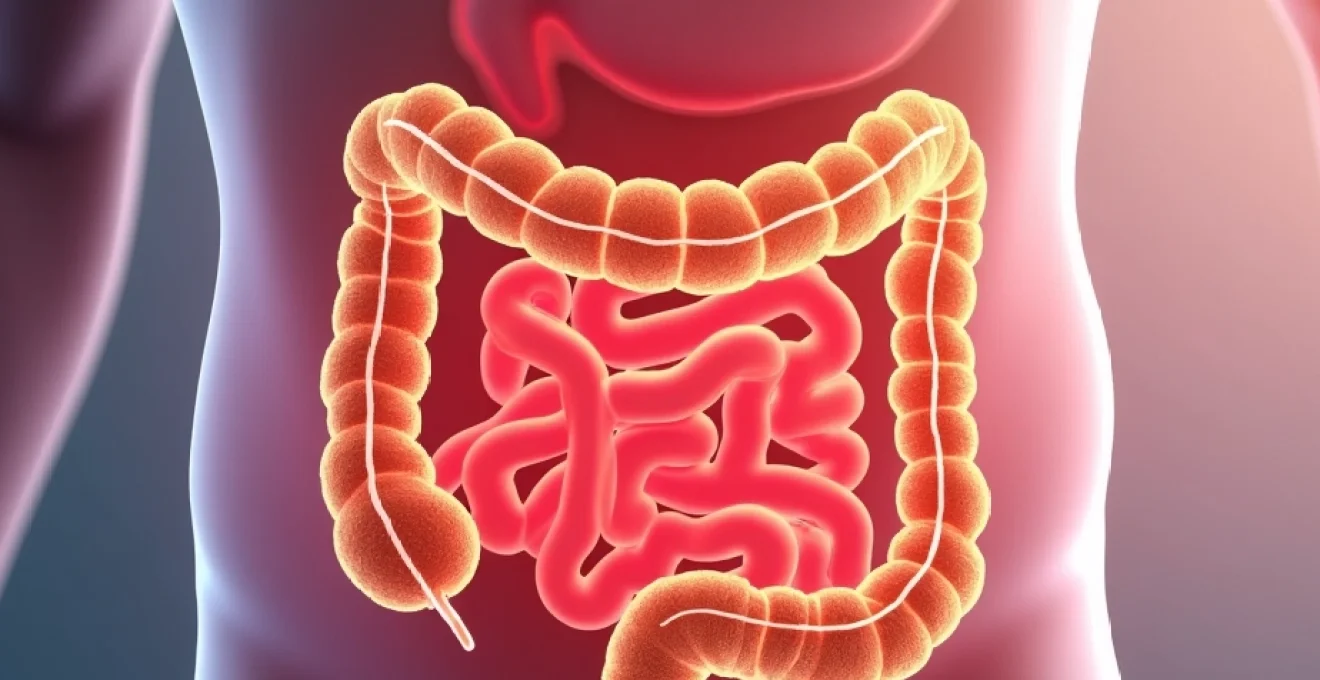
Anal rumbling, characterised by unusual sounds emanating from the rectal area, represents a surprisingly common yet poorly understood gastrointestinal phenomenon. These distinctive acoustic disturbances can range from subtle gurgles to pronounced rumbling sensations that may cause considerable embarrassment and concern for those experiencing them. The rectum, serving as the final segment of the large intestine before waste elimination, becomes a focal point for various physiological processes that can generate audible manifestations.
Understanding the underlying mechanisms behind rectal rumbling requires examining the complex interplay between digestive motility, bacterial activity, dietary influences, and anatomical variations. The rectosigmoid junction, where the sigmoid colon transitions into the rectum, represents a particularly active area where gas accumulation and muscular contractions frequently occur. Modern gastroenterology recognises that anal rumbling often reflects normal physiological processes , though persistent or severe symptoms may indicate underlying digestive disorders requiring medical attention.
Gastrointestinal motility disorders and bowel sound generation
Gastrointestinal motility disorders represent one of the primary causes of anal rumbling, affecting the coordinated muscular contractions that propel digestive contents through the intestinal tract. These disorders disrupt the normal peristaltic waves, creating irregular pressure patterns and gas accumulation that manifest as audible rumbling sounds. The rectum’s position as the terminal portion of the digestive system makes it particularly susceptible to these acoustic phenomena.
Peristaltic wave dysfunction in the rectosigmoid junction
The rectosigmoid junction serves as a critical transition zone where coordinated peristaltic waves must effectively transfer faecal matter from the sigmoid colon into the rectum. When peristaltic dysfunction occurs in this region, incomplete contractions create pockets of trapped gas and liquid that generate characteristic rumbling sounds. This dysfunction often results from neurological disorders affecting the enteric nervous system, which controls intestinal muscle coordination.
Patients experiencing peristaltic wave dysfunction frequently report intermittent rumbling sensations accompanied by feelings of incomplete evacuation and irregular bowel movements. The condition can be exacerbated by stress, dietary changes, or medications that affect smooth muscle function. Clinical observations suggest that approximately 15-20% of adults experience some degree of rectosigmoid peristaltic irregularity , though many cases remain undiagnosed due to the episodic nature of symptoms.
Irritable bowel syndrome with predominant rectal hypermotility
Irritable bowel syndrome (IBS) commonly presents with rectal hypermotility, characterised by excessive muscular contractions in the rectal area that produce audible rumbling and discomfort. This hypermotility stems from heightened visceral sensitivity and altered gut-brain communication pathways that amplify normal intestinal sounds. The condition affects approximately 10-15% of the global population, with rectal rumbling being reported in roughly 60% of IBS cases.
The hypermotile rectum in IBS patients demonstrates increased responsiveness to various triggers, including dietary components, stress hormones, and bacterial metabolites. These exaggerated contractions create a cyclical pattern of gas movement and muscular spasms that generate persistent rumbling sounds. Treatment approaches focusing on antispasmodic medications and dietary modifications often provide significant relief from both the acoustic symptoms and associated discomfort.
Inflammatory bowel Disease-Related sigmoid spasms
Inflammatory bowel diseases (IBD), including Crohn’s disease and ulcerative colitis, frequently cause sigmoid spasms that extend into the rectal area, producing distinctive rumbling patterns. The inflammatory process damages the intestinal wall’s muscular layers, leading to irregular contractions and increased gas production from altered bacterial fermentation. These spasms often intensify during disease flares and may serve as an early warning sign of worsening inflammation.
IBD-related rumbling typically presents with additional symptoms such as abdominal pain, altered bowel habits, and bloody stools. Recent studies indicate that sigmoid spasms occur in approximately 40% of IBD patients , with the rumbling sounds often correlating with disease activity levels measured through inflammatory markers and endoscopic findings.
Gastroparesis secondary effects on lower bowel transit
Gastroparesis, characterised by delayed gastric emptying, creates cascading effects throughout the digestive system that can contribute to anal rumbling. When the stomach fails to empty efficiently, it disrupts the normal progression of digestive contents, leading to altered bacterial fermentation patterns and increased gas production in the lower intestinal tract. This condition particularly affects diabetic patients and those with certain neurological disorders.
The delayed transit associated with gastroparesis allows for prolonged bacterial fermentation in the sigmoid colon and rectum, resulting in increased gas production and altered stool consistency. These changes create optimal conditions for rumbling sounds as gas bubbles move through areas of varying density and viscosity. Treatment of the underlying gastroparesis often leads to improvement in lower bowel symptoms, including reduced rectal rumbling.
Dietary triggers and food intolerance mechanisms
Dietary factors represent significant contributors to anal rumbling through various mechanisms involving malabsorption, fermentation, and inflammatory responses. The modern diet’s complexity, combined with individual variations in digestive enzyme production and gut microbiome composition, creates numerous opportunities for foods to trigger acoustic gastrointestinal symptoms. Understanding these dietary relationships enables targeted interventions that can significantly reduce rumbling frequency and intensity.
Lactase deficiency and colonic gas accumulation
Lactase deficiency affects approximately 65% of adults worldwide, creating a primary mechanism for rectal rumbling through undigested lactose fermentation in the colon. When lactase enzyme levels are insufficient to break down milk sugars, these carbohydrates reach the large intestine intact, where resident bacteria ferment them into gases including hydrogen, methane, and carbon dioxide. This fermentation process generates significant gas volumes that create audible rumbling as they move through the rectosigmoid region.
The severity of lactase deficiency varies considerably among individuals, with some people tolerating small amounts of dairy products while others experience symptoms from minimal exposure. Clinical studies demonstrate that lactose-induced gas production can increase intestinal volume by 200-300% , creating optimal conditions for rumbling sounds. Enzyme supplementation and lactose-free dietary alternatives can effectively eliminate these symptoms in most affected individuals.
FODMAP fermentation in the sigmoid colon
Fermentable oligosaccharides, disaccharides, monosaccharides, and polyols (FODMAPs) represent a group of short-chain carbohydrates that resist digestion in the small intestine and undergo rapid fermentation in the colon. This fermentation process produces significant gas volumes, particularly in the sigmoid colon region where bacterial concentrations are highest. Foods high in FODMAPs include certain fruits, vegetables, grains, and legumes that form staples of many diets.
The FODMAP fermentation process creates a distinctive pattern of gas production that peaks 2-4 hours after consumption, coinciding with the arrival of undigested carbohydrates in the sigmoid colon. This timing often results in delayed-onset rumbling that may surprise individuals who don’t immediately connect their symptoms to earlier food consumption. Research indicates that FODMAP restriction can reduce intestinal gas production by up to 70% in sensitive individuals.
Gluten Sensitivity-Induced intestinal inflammation
Non-coeliac gluten sensitivity affects an estimated 6% of the population and can contribute to anal rumbling through inflammatory mechanisms that disrupt normal intestinal motility. Gluten proteins trigger immune responses in sensitive individuals, leading to intestinal wall inflammation that affects muscular coordination and increases gas production. This inflammatory cascade can persist for days after gluten exposure, creating ongoing rumbling symptoms.
The inflammatory response to gluten sensitivity differs from coeliac disease but still produces significant changes in intestinal permeability and bacterial populations. These alterations favour gas-producing bacterial strains while reducing beneficial species that normally maintain intestinal homeostasis. Complete gluten elimination typically resolves rumbling symptoms within 2-4 weeks, though some individuals may require longer periods for full intestinal healing.
Artificial sweetener malabsorption effects
Artificial sweeteners, particularly sugar alcohols such as sorbitol, mannitol, and xylitol, commonly cause anal rumbling through osmotic and fermentation mechanisms. These compounds are poorly absorbed in the small intestine, creating osmotic effects that draw water into the intestinal lumen while providing substrates for bacterial fermentation. The combination of increased fluid volume and gas production creates ideal conditions for rumbling sounds.
Sugar alcohol consumption has increased dramatically with the popularity of sugar-free products, yet many consumers remain unaware of their potential gastrointestinal effects. Clinical observations suggest that as little as 10-20 grams of sugar alcohols can trigger symptoms in sensitive individuals , with effects typically manifesting 30-90 minutes after consumption. Reading ingredient labels and moderating intake of sugar-free products can effectively prevent these symptoms.
Anatomical abnormalities affecting rectal acoustics
Anatomical variations and abnormalities in the rectosigmoid region significantly influence the generation and transmission of intestinal sounds, creating conditions where normal physiological processes become audibly amplified. These structural modifications can be congenital, acquired through disease processes, or result from previous surgical interventions. Understanding how anatomy affects acoustic properties helps explain why some individuals experience more pronounced rumbling than others, even under similar physiological conditions.
Rectal prolapse represents one of the most significant anatomical contributors to altered rectal acoustics, affecting approximately 2.5 in every 1000 people. When the rectum slips out of its normal position, it creates irregular spaces and altered pressure dynamics that amplify intestinal sounds. The telescoping effect of prolapse creates acoustic chambers that can significantly magnify normal gas movement sounds , leading to more pronounced rumbling sensations that may cause considerable embarrassment for affected individuals.
Sigmoid colon redundancy, characterised by excessive length or looping of the sigmoid segment, creates additional acoustic resonance chambers that enhance sound transmission to the rectal area. This anatomical variation occurs in approximately 15-20% of adults and can be identified through imaging studies. The elongated sigmoid creates multiple curves and angles where gas can become trapped, leading to intermittent release patterns that generate characteristic rumbling sounds.
Pelvic floor dysfunction significantly impacts rectal acoustics by altering the muscular support structures surrounding the rectum. When pelvic floor muscles become weakened or dyscoordinated, they fail to provide adequate support for the rectal walls, creating abnormal pressure distributions that affect sound generation and transmission. This condition particularly affects women following childbirth or individuals with chronic constipation, where prolonged straining damages the supportive musculature.
Anal fissures and strictures can also modify rectal acoustics by creating partial obstructions that cause turbulent gas flow patterns. These anatomical changes force intestinal gases through narrowed passages, creating higher-frequency sounds that may be more noticeable than normal rumbling.
The healing process following anal surgery can temporarily increase rumbling sounds as tissues reorganise and normal anatomy is restored.
Microbiome dysbiosis and bacterial overgrowth patterns
The intestinal microbiome plays a crucial role in generating the gases responsible for anal rumbling, with bacterial dysbiosis representing a primary driver of excessive intestinal sound production. A healthy gut microbiome maintains a delicate balance between gas-producing and gas-consuming bacterial species, preventing the accumulation of excessive intestinal gases. When this balance shifts, certain bacterial populations can proliferate, dramatically increasing gas production and creating optimal conditions for rumbling sounds.
Small intestinal bacterial overgrowth (SIBO) manifestations
Small intestinal bacterial overgrowth occurs when colonic bacteria migrate proximally into the normally sterile small intestine, creating abnormal fermentation patterns that contribute to anal rumbling. This condition affects an estimated 10-15% of healthy adults and up to 80% of individuals with certain predisposing conditions such as diabetes or inflammatory bowel disease. SIBO-related rumbling typically intensifies after meals as bacterial fermentation increases in response to nutrient availability.
The bacterial species most commonly associated with SIBO include Escherichia coli, Klebsiella pneumoniae, and various Streptococcus strains that produce significant quantities of hydrogen and methane gases. Breath testing reveals that SIBO patients can produce up to 10 times more intestinal gas than healthy controls , with gas production peaking 60-90 minutes after carbohydrate consumption. Treatment with specific antibiotics or herbal antimicrobials can dramatically reduce both bacterial overgrowth and associated rumbling symptoms.
Clostridioides difficile colonisation effects
Clostridioides difficile colonisation, even in asymptomatic carriers, can significantly alter intestinal gas production patterns and contribute to rectal rumbling. This opportunistic pathogen produces various metabolites that affect intestinal motility and gas composition, creating conditions favourable for audible intestinal sounds. C. difficile colonisation rates have increased substantially in recent decades, particularly among individuals with antibiotic exposure or hospitalisations.
The metabolic activity of C. difficile produces distinctive gas signatures characterised by increased hydrogen sulphide and altered short-chain fatty acid ratios. These changes create different acoustic properties as gases move through the intestinal tract, often resulting in more pronounced rumbling sounds. Recent research suggests that asymptomatic C. difficile carriage may affect up to 20% of adults in healthcare settings , potentially explaining increased rumbling complaints among hospitalised patients.
Methane-producing archaebacteria overpopulation
Methanogenic archaebacteria, particularly Methanobrevibacter smithii, represent unique contributors to anal rumbling through their ability to produce methane gas from hydrogen and carbon dioxide. Unlike bacterial methane production, archaeal methanogenesis creates different acoustic properties due to methane’s distinct physical characteristics compared to other intestinal gases. Methane-predominant intestinal gas patterns occur in approximately 30-40% of adults and are associated with slower intestinal transit times.
The overpopulation of methane-producing archaea often correlates with constipation-predominant digestive patterns, as methane gas can slow intestinal motility and create stagnant areas where further gas accumulation occurs. This creates a cyclical pattern where slowed motility promotes additional archaeal growth, leading to increased methane production and more pronounced rumbling. Targeted interventions using specific antimicrobial agents can effectively reduce archaeal populations and associated symptoms.
Probiotic imbalance in the terminal ileum
The terminal ileum serves as a critical transition zone between the small and large intestines, where probiotic bacterial populations help regulate gas production and maintain intestinal homeostasis. When beneficial bacteria such as Lactobacillus and Bifidobacterium species become depleted in this region, pathogenic organisms can establish dominance and increase gas production. This probiotic imbalance often follows antibiotic treatments, dietary changes, or stress-related alterations in intestinal pH.
Restoration of healthy probiotic populations in the terminal ileum requires targeted supplementation with specific bacterial strains that can survive the acidic stomach environment and establish viable colonies in the lower small intestine. Clinical trials demonstrate that targeted probiotic therapy can reduce intestinal gas production by 40-60% when administered consistently over 4-8 week periods. The selection of appropriate probiotic strains should consider individual microbiome analysis results when available.
Medication-induced gastrointestinal side effects
Pharmaceutical agents represent significant contributors to anal rumbling through various mechanisms affecting intestinal motility, bacterial populations, and digestive enzyme function. The widespread use of medications in modern healthcare means that drug-induced gastrointestinal effects have become increasingly common causes of intestinal acoustic symptoms. Understanding these medication-related mechanisms enables healthcare providers to anticipate and manage rumbling symptoms more effectively.
Proton pump inhibitors (PPIs), among the most commonly prescribed medications worldwide, significantly alter intestinal bacterial populations by reducing gastric acid production. This acid suppression allows bacterial overgrowth in both the stomach and small intestine, leading to increased fermentation and gas production. Studies indicate that PPI use increases the risk of small intestinal bacterial overgrowth by 250-300% , with associated rumbling symptoms developing in approximately 40% of long-term users. The timing of rumbling often correlates with meal consumption as bacterial fermentation intensifies in response to nutrient availability.
Antibiotics create profound disruptions in intestinal bacterial ecosystems, often eliminating beneficial gas-consuming species while allowing pathogenic gas-producing organisms to flourish
. These antibiotic-related changes typically persist for 4-12 weeks following treatment completion, during which time affected individuals may experience persistent rumbling symptoms even after the original infection has been successfully treated.
Opioid medications significantly slow intestinal motility through their effects on enteric nervous system receptors, creating stagnant areas where bacterial fermentation and gas accumulation occur. This drug-induced constipation affects approximately 80% of patients receiving chronic opioid therapy, with many experiencing associated rumbling symptoms as trapped gases attempt to move through areas of reduced motility. The severity of these symptoms often correlates with opioid dosage and duration of use.
Metformin, the most commonly prescribed diabetes medication, frequently causes gastrointestinal side effects including increased gas production and rumbling sounds in approximately 30% of patients. The medication alters intestinal glucose absorption and bacterial fermentation patterns, leading to increased production of short-chain fatty acids and associated gases. These effects typically diminish over 4-8 weeks as the intestinal microbiome adapts to the medication’s presence.
Non-steroidal anti-inflammatory drugs (NSAIDs) contribute to rumbling through their effects on intestinal prostaglandin production, which regulates both motility and bacterial populations. Chronic NSAID use can create low-grade inflammatory conditions that favour gas-producing bacterial strains while reducing beneficial species. The resulting microbial imbalance often manifests as increased rumbling, particularly in the rectosigmoid region where bacterial concentrations are highest.
Stress-related Gut-Brain axis dysfunction
The gut-brain axis represents a bidirectional communication network that significantly influences intestinal function and can contribute to anal rumbling through stress-related mechanisms. Psychological stress activates the hypothalamic-pituitary-adrenal axis, releasing cortisol and other hormones that directly affect intestinal motility, bacterial populations, and visceral sensitivity. This neurological pathway explains why many individuals notice increased rumbling during periods of emotional stress or anxiety.
Chronic stress fundamentally alters the intestinal microbiome composition, favouring pathogenic bacterial species while reducing beneficial organisms that normally maintain gas homeostasis. Research demonstrates that chronic stress can reduce beneficial Lactobacillus populations by up to 60% while increasing gas-producing Escherichia coli levels by 200-300%. This microbial shift creates optimal conditions for excessive gas production and associated rumbling sounds.
The vagus nerve, serving as the primary communication pathway between the brain and digestive system, becomes dysregulated during chronic stress conditions. This vagal dysfunction disrupts normal peristaltic coordination and can create irregular contraction patterns in the rectosigmoid region. These uncoordinated movements generate characteristic rumbling sounds as gas bubbles move through areas of varying muscular tension.
Anxiety-related hypervigilance can amplify the perception of normal intestinal sounds, making individuals more aware of physiological processes that typically occur below the threshold of conscious perception. This heightened awareness creates a feedback loop where increased attention to intestinal sounds generates additional anxiety, potentially worsening the underlying stress response and perpetuating the rumbling symptoms.
Sleep disruption, commonly associated with stress and anxiety disorders, significantly affects intestinal function through alterations in circadian rhythm regulation of digestive processes. Poor sleep quality disrupts the normal nocturnal patterns of intestinal motility and bacterial activity, leading to irregular gas production and movement patterns that manifest as rumbling sounds. Studies indicate that individuals with chronic sleep disruption experience 40-50% more intestinal acoustic symptoms compared to those with healthy sleep patterns.
Stress management techniques including meditation, deep breathing exercises, and regular physical activity can significantly reduce both stress levels and associated gastrointestinal symptoms, including anal rumbling.
The enteric nervous system, often called the “second brain,” contains more neurons than the spinal cord and operates semi-independently from central nervous system control. During stress responses, this enteric nervous system becomes hyperactivated, leading to increased intestinal contractions and altered coordination patterns. These changes create optimal conditions for gas trapping and subsequent rumbling as normal digestive processes become dysregulated.
Stress-induced changes in digestive enzyme production can also contribute to rumbling through incomplete food digestion and increased substrate availability for bacterial fermentation. Cortisol and other stress hormones reduce pancreatic enzyme secretion and alter bile acid production, leading to maldigestion of fats and carbohydrates. These undigested nutrients reach the colon where bacterial fermentation produces significant gas volumes that contribute to rumbling symptoms.